

Executive Summary
A practical field guide to multi-site hospital equipment standardization: audit the fleet, define standard configurations, unify spares and training, and lock it in with a group framework agreement.
Every hospital group I have worked with started standardization the same way: by accident. One campus bought a different operating table because the surgeon liked the feel of it. A second site picked a cheaper surgical light during a budget squeeze. A third inherited whatever the previous owner had installed. But five years later the group is running four brands of operating table, three incompatible pendant configurations, and a spare-parts store room that looks like a museum of discontinued models. That is the quiet cost of multi-site growth without a standardization plan.
The numbers behind this are well documented. In a 2026 Advisory Board survey of 102 health-system supply-chain and executive leaders, “managing multiple vendors” ranked among the top five procurement challenges, cited by 36 percent of respondents, right behind rising costs (60 percent) and unpredictable product demand (42 percent). Equipment fragmentation is not a housekeeping issue; it is a margin issue, a patient-safety issue, and a staff-burnout issue rolled into one. Agiliti’s inventory research put a fine point on it: where hospitals buy with little or no standardization, as much as 58 percent of mobile equipment can sit idle while nurses spend more than 20 minutes per shift simply hunting for a working device.
This article is a field guide to multi-site hospital equipment standardization — the disciplined process of aligning equipment models, configurations, spares, training, and contracts across every campus in a hospital group. It draws on public case studies of large health systems, on the procurement frameworks now common in the US, UK, and EU, and on our own experience supplying turnkey operating rooms and ward packages to multi-site groups.
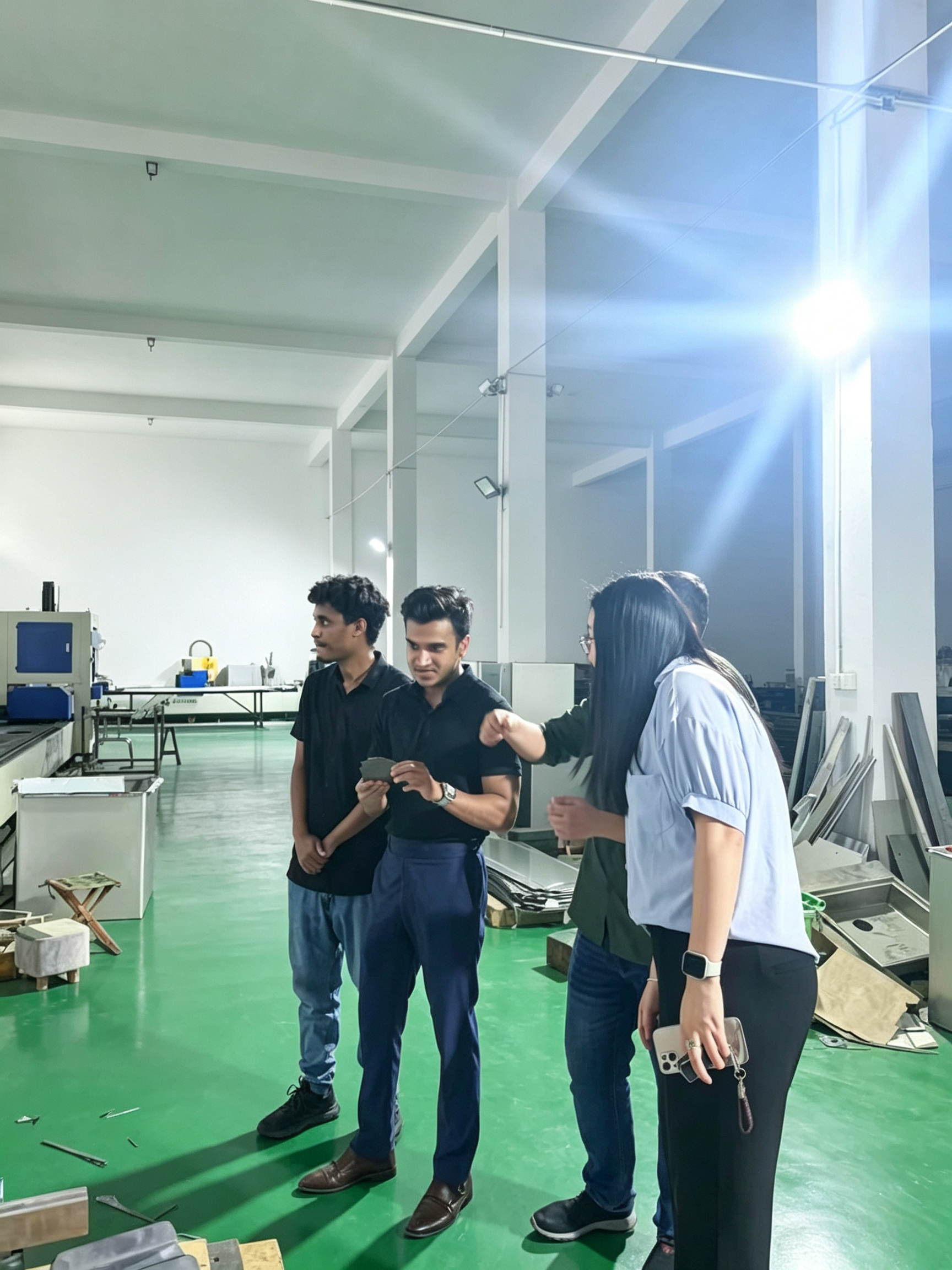
Why Multi-Site Hospital Groups Drift Into Equipment Fragmentation
Fragmentation is rarely a policy choice. It is the default outcome of decentralized purchasing. Each campus has its own budget cycle, its own department heads, and its own preferred vendors. A facility-ownership model, as Agiliti describes it, actively “prohibits standardization, sharing and economies of scale across a system.” The result accumulates silently until the group’s clinical engineering team is supporting a zoo of incompatible devices.
The operational tax shows up in four places at once. In service contracts: PartsSource found that hospitals manage an average of 146 service contracts, often more than half of a clinical engineering department’s budget, with no unified control. In spare parts: every additional model means additional SKUs, obsolete stock, and emergency shipments. In training: a nurse floated to a sister campus has to relearn a different interface on the same class of device. And in downtime: when a device fails, the chance that a compatible spare exists somewhere in the group drops with every brand you add. WakeMed Health & Hospitals, a 970-bed system with three acute-care hospitals and more than 70 outpatient locations, put it plainly: across 38,000-plus clinical assets, procurement, service, and asset performance had been “managed as separate functions,” and the visibility to control them simply was not there.
Fragmentation feels free at the moment of purchase because each decision is small. The bill arrives later, spread across a hundred line items nobody owns: the extra service contracts, the dead stock, the retraining, and the rental units brought in to cover a device nobody else in the group can fix.
The Business Case: What Standardization Actually Saves
The strongest argument for standardization is not aesthetic consistency. It is money, recovered from four distinct pools. ECRI’s equipment-standardization work, presented by principal consultant Marc Schlessinger, summarizes the mechanism cleanly: standardizing major device categories to a single vendor can save millions through lower purchase costs (negotiating power), lower operating costs (reduced training and parts inventory), lower service-contract costs (negotiating power again), and lower clinical-staff training costs.
The case studies back this up with real figures. WakeMed consolidated more than 270 vendors into a coordinated sourcing framework, standardized pricing and quality across thousands of transactions, and reported $7.02 million in cumulative net savings — roughly 31 percent sustained annual savings — along with a $9 million reduction in service-cost variability that had previously swung between $5 million and $6 million a year. Jackson Health System, one of the largest public health systems in the US, maintains more than 45,100 pieces of equipment across four hospitals and brought clinical engineering in-house specifically to “drive standardization, enhance quality and improve cost savings,” saving $1 million on parts procurement alone.
| Cost Lever | Fragmented Fleet | Standardized Fleet | Where the Saving Comes From |
|---|---|---|---|
| Purchase price | Per-campus, low-volume orders | Aggregated group volume | Negotiating power from consolidated demand |
| Service contracts | ~146 contracts, >50% of CE budget | Fewer vendors, master agreement | Vendor consolidation, standardized pricing |
| Spare-parts inventory | Many SKUs, obsolete stock, rush orders | Shared SKUs, pooled stock | Common models share common parts |
| Training | Re-training per campus and model | One curriculum, transferable staff | Identical interfaces across sites |
| Utilization & downtime | Up to 58% idle; rentals to cover gaps | Swappable units, shared pool | Devices move between sites without retraining |
The useful mental model is total cost of ownership (TCO) rather than purchase price. ECRI leans on TCO precisely because the sticker price is the smallest part of a device’s lifetime cost across a group. A table that is 8 percent cheaper to buy but uses a proprietary actuator and a single-source control board will cost far more over a ten-year life than a slightly more expensive unit whose parts, pads, and service procedures are shared across every campus. We make the same argument when groups evaluate our spare-parts and lifecycle service: the cheapest unit is the one your whole fleet can already maintain.
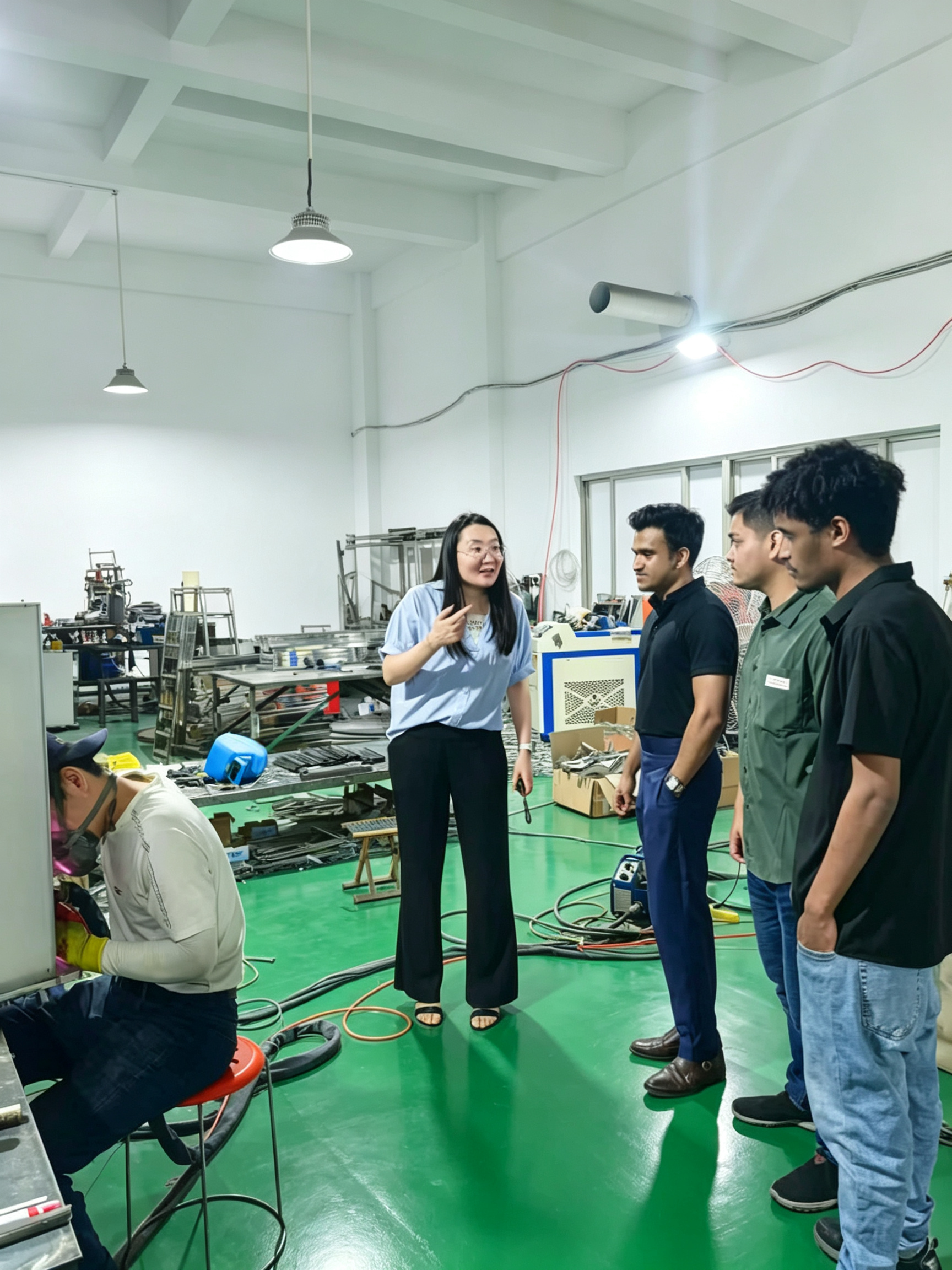
Step 1: Audit the Installed Base Across Every Campus
You cannot standardize what you cannot see. The first move is a structured audit of every relevant device on every campus — make, model, age, condition, utilization, and service history. ECRI’s published project sequence begins exactly here: introductory calls with department directors, development of base configurations and clinical scenarios, then hospital site visits “to confirm inventory and learn strategic needs,” followed by analysis of utilization data and a Predictive Replacement Plan. The site visit matters because the asset register is almost always wrong — devices migrate between wards and campuses, or get retired, without anyone updating the system.
For operating-room and ward equipment, the audit should capture, at minimum:
- Asset identity: manufacturer, model, serial number, year of installation, and firmware or revision level where relevant.
- Condition and remaining life: structural integrity, hours of use, and known failure history, feeding a Predictive Replacement Plan that schedules refresh by need rather than by crisis.
- Utilization: how often the device is actually used versus how often it sits idle. Agiliti’s 58-percent-idle figure is a warning, not a benchmark to accept.
- Service footprint: which vendor maintains it, under what contract, and whether parts are still available or already obsolete.
- Interoperability: whether it talks to the group’s monitoring, imaging, or hospital-information systems, and whether accessories are shared or proprietary.
The output is a single group-wide asset map, ideally inside a computerized maintenance management system (CMMS) that all campuses share. Jackson Health’s clinical-engineering director made the point explicitly: with more than 45,000 devices to manage, the group needed data to make decisions rather than guess. A shared CMMS is the backbone of multi-site hospital equipment standardization.
Trust the site visit more than the spreadsheet. In our experience the asset register and the physical inventory disagree on roughly one device in five — usually because equipment migrated between campuses and nobody updated the record. The audit is where standardization either earns its credibility or loses it.
Step 2: Define a Standard Configuration by Clinical Service Line
Standardization does not mean one device for everything. It means one deliberate configuration per clinical service line, applied consistently across campuses. The orthopedic OR has different needs from the day-surgery room; the adult ICU differs from the maternity ward. The discipline is to define a small number of standard packages — and then resist the temptation to let each campus add its own variations.
For a hospital group buying operating-room and ward equipment, a sensible set of standard packages looks like this:
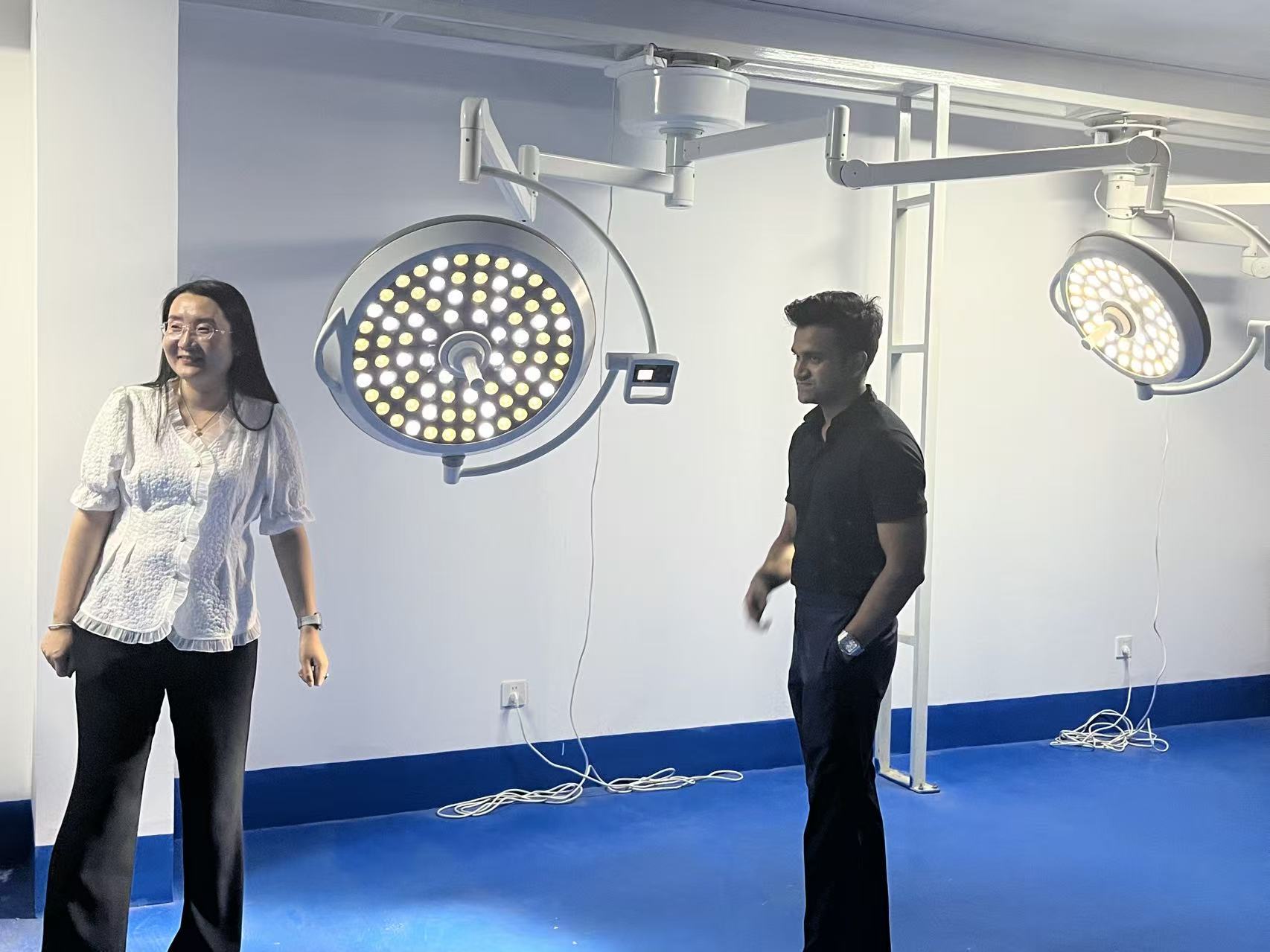
- General OR package: a standard electric operating table, a ceiling-mounted LED surgical light, and a defined medical pendant layout for gas, power, and data. Lock the tabletop configuration, the Trendelenburg range, and the accessory rail positions so every room behaves the same way.
- Specialty OR package: for orthopedics, C-arm, or bariatric work, a radiolucent or high-capacity table variant — but built on the same platform and control logic as the general package, so spares and training still transfer.
- ICU and ward package: a standard hospital bed with a common actuator and control layout, plus matching bedside equipment and medical trolleys configured identically across sites.
The key design rule is platform commonality. Two devices can look different and still share the parts and interfaces that matter — the same actuator family, control board, rail profile, and pendant arm bearing. That is what lets one technician fix any unit in the group with the same toolkit and lets the group pool spares. When we scope a turnkey operating-room package for a multi-site group, the goal is never to sell the most equipment; it is to converge the group on the smallest number of platforms that still covers its clinical mix. Document each package in a configuration sheet stating exactly what is included and excluded, because a vague specification invites every campus to drift back to its old habits.
Step 3: Consolidate Spare Parts and Training Around the Common Models
This is where standardization pays its most visible dividend, and where groups that skip Step 2 quietly fail. Once the fleet converges on common platforms, spare parts and training collapse from a per-campus, per-model problem into a single group-wide system. On spare parts, the logic is arithmetic: four operating-table brands mean four sets of actuators, control boards, pads, and rails — each with its own safety stock and obsolescence risk. ECRI lists “decreased training requirements of CE staff and parts inventory” as a primary source of standardization savings. For a practical way to size that pooled inventory, our guide to spare-parts inventory planning for hospitals walks through the demand and criticality logic that keeps a shared store room lean without gambling on stockouts.
On training, the gain is staff mobility. When every campus runs the same bed controls, the same pendant interface, and the same table handset, a nurse or technician can move between sites without re-training. That matters enormously for floating staff, agency cover, and surge capacity, and it shrinks the training budget: one curriculum, refreshed periodically, replaces a dozen model-specific sessions. The clinical-engineering team benefits too, because fewer platforms mean deeper familiarity, faster diagnosis, and a higher first-time-fix rate.
The spare-parts saving is the easy one to model and the first one finance believes. The training and staff-mobility saving is larger over time but harder to put on a spreadsheet — which is exactly why groups under-invest in it. Count both, or you will understate the case for standardization.
A practical move at this stage is to negotiate a consignment or pooled spares arrangement, held centrally and replenished against actual usage across the group. Standardization that lives only on paper, while staff keep using each device differently, delivers none of the benefit.
Step 4: Negotiate a Group Framework Agreement and Bake In Compliance
Standardization needs a commercial vehicle, and that vehicle is the framework agreement: a master contract that sets pricing, terms, service levels, and the approved product list for the whole group, against which individual campuses “call off” orders as needed. This is the structure used by mature procurement systems worldwide. NHS Supply Chain’s framework for managed equipment and clinical services runs for an initial two years and can be extended up to six years in total — long enough to lock in standardization without freezing out future technology. In the United States, the equivalent pooling mechanism is the Group Purchasing Organization: more than 95 percent of US hospitals buy through GPOs, which aggregate member demand to negotiate pricing and increasingly support standardization, contract management, and utilization tracking, with administrative savings estimated at more than $2 billion a year across the system.
The most instructive recent example is the roughly $500 million, ten-year alliance between Catholic Health and GE HealthCare, announced in July 2026. It covers six acute-care hospitals and 36 ambulatory sites, deploys more than 1,300 pieces of medical technology, and uses a cloud platform specifically to “standardize workflows across multiple locations.” Two features are worth copying: the commercial model moved away from conventional capital purchasing toward unitary payments and performance accelerators for predictable costs, and a comprehensive ten-year multivendor service agreement covers maintenance, lifecycle management, staff education, and uptime across more than 40 locations. That is a framework agreement doing exactly what it should: turning a one-off purchase into a governed, multi-site relationship.
| Framework Term | What to Lock In | Why It Matters for a Multi-Site Group |
|---|---|---|
| Approved product list | Frozen models and configurations per service line | Stops campuses drifting back to non-standard purchases |
| Pricing & volume | Group-wide pricing tiers, volume commitments, call-off mechanism | Converts aggregated demand into negotiating power |
| Service & uptime | Response times, spares availability, lifecycle and maintenance scope | One service standard across every campus |
| Term length | Typically 2 years initial, extendable to 6; up to 10 for full alliances | Long enough to standardize, short enough to refresh technology |
| Commercial model | Capital purchase, unitary payment, or managed-equipment service | Predictable costs; frees capital for clinical programs |
A standardized fleet is only an asset if every unit in it is compliant everywhere the group operates, so compliance belongs inside the framework, not bolted on later. For medical electrical equipment the global baseline is the IEC 60601 family: the general standard IEC 60601-1 (current Edition 3.2) sets the basic safety and essential performance requirements, and more than 60 particular standards govern specific device types, from surgical luminaires to medical beds. In tenders, documented IEC 60601 compliance is frequently a pass/fail criterion. On the quality-system side, ISO 13485:2016 is the global baseline for vetting suppliers, and its importance rose in 2026: the US FDA’s new Quality Management System Regulation, taking effect on 2 February 2026, formally incorporates ISO 13485:2016 by reference, closing the historic gap between US and EU requirements, while in the EU the standard remains integral to conformity under MDR 2017/745. Verify the supplier’s certificate scope, validity, and accredited issuing body once, hold the IEC 60601 type-test reports for each model, and reuse that compliance file on every campus. Our companion guide to verifying ISO and CE certifications provides the exact checks.
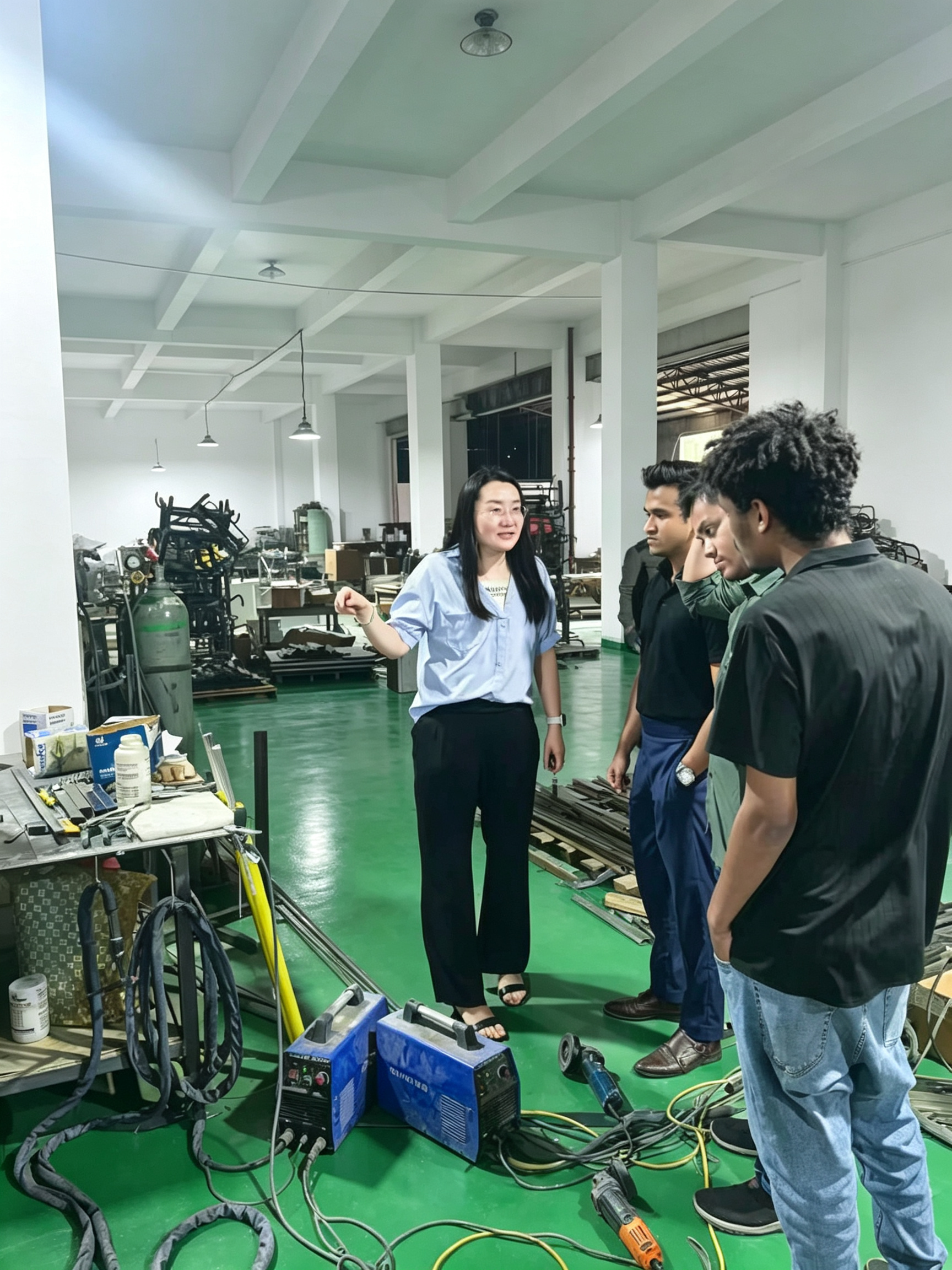
Step 5: Roll Out in Phases and Govern With a Standardization Committee
No multi-site group standardizes overnight, and trying to do so usually fails. The successful pattern is phased rollout governed by a standing standardization committee with representatives from clinical engineering, nursing, the medical staff, procurement, and finance. Catholic Health’s alliance schedules roughly half of its planned installations within the first three years — fast enough to capture savings, gradual enough to avoid disrupting care. The same philosophy applies at any scale: build a “scalable foundation” that grows site by site rather than attempting a single big-bang cutover.
A workable rollout sequence looks like this:
- Pilot on one campus, one service line: standardize a single OR suite or ward, measure the results, and fix the configuration before scaling.
- Sequence by replacement timing: ride the Predictive Replacement Plan so devices are standardized as they reach end of life, avoiding premature write-offs.
- Train before each go-live: deliver the standard training package at each campus ahead of installation, not after the first incident.
- Track KPIs group-wide: utilization, downtime, first-time-fix rate, spare-parts turns, service-cost variability, and training hours. WakeMed’s whole transformation was built on moving “from reactive maintenance to active performance management” with real-time visibility across the fleet.
- Enforce exceptions through the committee: any deviation from the standard configuration must be approved with a documented justification, or standardization erodes within a single budget cycle.
Standardization is a governance problem wearing an engineering costume. The configuration sheet and the framework agreement do the technical work, but only a standing committee with the authority to say “no” to non-standard purchases keeps the fleet from drifting back to where it started.
Commissioning discipline matters as much as the rollout plan. Each standardized room or ward should be handed over against the same acceptance checklist — installation verification, electrical safety testing, functional checks, and staff sign-off — so that “standard” means the same thing on every campus. Our guide to OR equipment installation and commissioning provides the acceptance template we use for turnkey handovers, and it scales directly to a multi-site program.
Conclusion
Multi-site hospital equipment standardization is not a purchasing event. It is a five-step discipline: audit the installed base across every campus, define a standard configuration per clinical service line, consolidate spare parts and training around common platforms, lock it all into a group framework agreement with compliance built in, and roll it out in phases under a committee that can enforce exceptions. The health systems that have done this — WakeMed, Jackson Health, Catholic Health, University Health — all report lower purchase and service costs, less service-cost variability, faster staff mobility, and higher equipment uptime.
The prize is not just a tidier asset register. It is a fleet that any technician in the group can fix, any nurse can use, and any campus can borrow from — backed by one set of spares, one training package, one service standard, and one compliance file. If your group has grown by acquisition and never standardized, the audit in Step 1 is the place to start, and a manufacturer that supplies whole operating-room and ward packages is the natural partner to converge the fleet. Browse Sanyang Medical’s full product range, review our project cases, learn more about us, and talk to our team about scoping a standard configuration for your group.
Frequently Asked Questions
What is multi-site hospital equipment standardization?
It is the disciplined process of aligning equipment models, configurations, spare parts, training, and service contracts across every campus in a hospital group. Instead of each site buying independently, the group converges on a small number of standard platforms per clinical service line, so devices share parts, interfaces, and training. The goal is lower total cost of ownership, higher uptime, and staff who can move between sites without re-training.
How much can a hospital group save by standardizing equipment?
Savings come from four pools: lower purchase prices through aggregated volume, fewer service contracts, a smaller pooled spare-parts inventory, and reduced training costs. Public case studies are substantial — WakeMed reported $7.02 million in cumulative net savings (about 31 percent sustained annual savings) after consolidating more than 270 vendors, and Jackson Health saved $1 million on parts procurement alone. The exact figure depends on fleet size and how far the group standardizes.
Does standardization mean buying one device for every department?
No. Effective standardization defines one deliberate configuration per clinical service line — for example, a general OR package, a specialty OR package, and an ICU/ward package — and applies each consistently across campuses. The devices can look different while still sharing the platforms that matter: the same actuator family, control board, rail profile, and pendant arm. That platform commonality is what enables shared spares and transferable training.
What is a framework agreement and why does it matter?
A framework agreement is a master contract setting group-wide pricing, terms, service levels, and an approved product list, against which campuses place call-off orders. It is the commercial vehicle that makes standardization enforceable. NHS Supply Chain’s managed-equipment framework runs two years initially, extendable to six, while large strategic alliances such as Catholic Health’s run up to ten years. In the US, Group Purchasing Organizations play a similar pooling role for more than 95 percent of hospitals.
How long does a multi-site standardization program take?
Plan in phases rather than a single cutover. A typical sequence is a group-wide audit, definition of standard configurations, a pilot on one campus and one service line, then phased rollout aligned to each device’s replacement timing. Governing the rollout with a standing standardization committee is what keeps the program on track across budget cycles.
You May Also Like...

Turnkey OR Solutions: Cut Costs & Commissioning Time
How many times have you had a $50,000 order go sideways because the pre-production sample...

OR Project Supply: Buy Direct vs OEM Bundle – Avoid $50K Risks
When a supplier tells you their turnkey OT solution pricing is the simplest way to...

Hospital Equipment Financing & Leasing: The Buy-vs-Lease Decision Guide
Outright purchase, finance lease, or operating lease? A practical, TCO-driven framework for matching hospital equipment...