
Executive Summary
Outright purchase, finance lease, or operating lease? A practical, TCO-driven framework for matching hospital equipment financing and leasing structures to each asset's refresh cycle, cash flow, and balance sheet.
Every hospital CFO and biomedical director I sit across from asks the same question the moment an equipment list lands on the table: do we buy this outright, finance it, or lease it? The question looks simple on a spreadsheet. It is not. The wrong answer quietly adds six or seven figures to a ten-year cost base, and the damage rarely surfaces until the third or fourth year, when the service invoices arrive or the technology goes stale. Commit to a full surgical build-out through a turnkey operating room program, and the financing decision stops being a line item and starts being a strategy.
I have watched two hospitals make opposite mistakes with the same budget. The first wired its entire capital reserve into a cash purchase of imaging and surgical suites, then had nothing left for service contracts, training, or the inevitable layout revision six months later. The second leased everything on short operating leases, then paid for the same machines three times across a decade while building no equity at all. Both decisions looked defensible in the board paper. Both were expensive in practice — because nobody had modeled the full life of the asset before signing.
This guide walks through how I take a procurement team through hospital equipment financing leasing decisions. We will separate the three core models — outright purchase, finance lease, and operating lease — and then look at the forces that should drive the choice: total cost of ownership, cash flow, accounting treatment, and the technology refresh cycle. The goal is not to name a universally best structure but to give you a repeatable framework so the answer falls out of your own numbers and balance sheet.
Why the Buy-versus-Lease Question Has Changed
For decades the default logic was almost religious: own your equipment, because ownership builds equity and leasing throws money away. That logic assumed two things that no longer hold — that equipment held its value and stayed clinically useful for a long time, and that leasing kept debt off the balance sheet. Both assumptions have eroded, and together they have rewritten the decision.
The first shift is the pace of technology. In 2026 the defining reality of high-ticket medical assets is that innovation outruns depreciation. Imaging systems, surgical robotics, and navigation platforms can be clinically outclassed well before they are physically worn out. A machine that still powers on perfectly can become the second-best option in its category within a few years. When obsolescence outruns wear-out, the residual value you were proud of owning becomes a liability you can neither redeploy nor sell.
The second shift is accounting. Under IFRS 16, effective 2019, and its U.S. GAAP counterpart ASC 842, lessees must now recognize most leases on the balance sheet as a right-of-use asset paired with a lease liability. Short-term and low-value leases can still be treated more lightly, but a multi-year lease on a major surgical or imaging system now shows up. Buying versus leasing can no longer be sold as a way to hide leverage; it has to be justified on cash flow, tax, and lifecycle grounds.
If a leasing proposal is sold to you primarily as a way to keep debt off the balance sheet, stop the conversation. Since IFRS 16 and ASC 842, that benefit is mostly an illusion for major equipment, and any structure pitched on that basis is hiding its real economics from you.
The Three Acquisition Models, Explained Plainly
Outright Purchase
You pay the full price — from cash reserves, a capital budget, a bond issue, or a bank loan — and you own the asset from day one. The equipment sits on your balance sheet as a fixed asset, you depreciate it over its useful life, and at the end you keep it, redeploy it, sell it, or scrap it. Every upside and downside of ownership is yours.
- Best when: the asset has a long, predictable clinical life, holds residual value, and you have idle capital not earning more elsewhere.
- Cash flow: a large up-front outflow, then low ongoing cost apart from service and consumables.
- Risk you carry: obsolescence, disposal, and the full cost of downtime once the warranty expires.
Finance Lease (Capital Lease)
A finance lease is economically a purchase dressed up as a rental. The lessor buys the equipment, but substantially all the risks and rewards of ownership transfer to you. The classic signal is a bargain purchase option — often called a $1 buyout — that lets you take title at term end for a nominal sum. Because you effectively own it, you capitalize the asset, depreciate it, and carry the lease on your balance sheet much like a financed purchase.
- Best when: you intend to keep the asset for its full life and want to spread the cost without a large down payment, but still want ownership at the end.
- Cash flow: little or no money down, fixed periodic payments, ownership retained at term end.
- Tax angle: in many jurisdictions the lessee can claim depreciation and, where applicable, accelerated deductions on the equipment.
Operating Lease (True Lease)
An operating lease is a genuine rental. You pay for the right to use the equipment for a defined period, and at the end you return it, renew, or buy it at its then-fair market value (an FMV lease). The lessor retains the residual value and the risk of what the asset is worth when you hand it back. This structure pairs naturally with fast-moving technology, because it lets you return a machine that is going stale and step into a newer one without owning an asset you cannot easily unload.
- Best when: the technology refreshes quickly and you want the flexibility to upgrade rather than the burden of ownership.
- Cash flow: typically the lowest periodic payment of the three, since you finance only the use of the asset, not its full price.
- Risk the lessor carries: residual value and obsolescence — which is exactly why this structure costs the lessor more to provide and is priced accordingly.
Finance Lease versus Operating Lease: The Comparison That Matters
The most consequential decision in hospital equipment financing leasing is usually not buy-versus-lease in the abstract — it is which kind of lease you sign. A finance lease and an operating lease look similar on a monthly cash-flow line but behave very differently over the life of the asset. The single most important structural choice is the end-of-term option: a $1 buyout points you toward ownership, while a fair-market-value purchase or a return option keeps you in rental territory and hands the residual risk to the lessor.
| Dimension | Outright Purchase | Finance Lease ($1 Buyout) | Operating Lease (FMV / Return) |
|---|---|---|---|
| Up-front cash | Full price, day one | Low or none | Low or none |
| Periodic payment | None (after purchase) | Higher — covers full asset cost plus finance charge | Lower — covers only the used portion of the asset |
| End-of-term ownership | Yours from the start | Yours for a nominal sum | Return, renew, or buy at fair market value |
| Who carries residual-value risk | You | You (you keep the asset) | The lessor |
| Balance-sheet treatment | Fixed asset, depreciated | Right-of-use asset plus lease liability | Right-of-use asset plus lease liability (IFRS 16 / ASC 842), subject to short-term and low-value exemptions |
| Upgrade flexibility | Low — you must sell or scrap first | Low to moderate | High — built-in refresh at term end |
| Best-fit asset | Long-life, durable, value-holding equipment | Equipment you will use to end of life and want to own | Fast-refresh technology where flexibility beats equity |
Notice what the table reveals: the operating lease’s lower monthly payment is not a discount. It is the consequence of paying for only part of the asset’s life while the lessor absorbs the residual risk. Keep a machine for fifteen years and an operating lease will usually cost more in total than buying or a finance lease, because you pay a premium for flexibility you never use. If the technology will be obsolete in five years, that flexibility is exactly what you are buying.
Total Cost of Ownership: The Number That Actually Decides
The purchase price is the easiest number to see and the least important one to decide on. The figure that should drive a hospital equipment financing leasing decision is total cost of ownership — the full cost of acquiring, running, and retiring an asset across its whole life. Two machines with the same sticker price can have wildly different ten-year costs once service, downtime, consumables, and disposal are counted.
A defensible TCO model for clinical equipment should include every one of the following cost lines, not just the first:
- Acquisition: purchase price, or the sum of lease payments over the period you expect to use the asset.
- Installation and commissioning: site preparation, rigging, integration with medical gas and electrical systems, and acceptance testing before clinical use.
- Service and maintenance: preventive maintenance and repair after the warranty expires, whether through an OEM contract, a third-party provider, or an in-house clinical engineering team.
- Downtime: the revenue and clinical capacity lost when the asset is unavailable — often the single largest hidden number, and the one most often left out of the model.
- Consumables and accessories: the recurring items the equipment needs to function, from lamps and pads to disposables.
- Training: getting clinical and technical staff competent, and retraining them when models or software change.
- Disposal and residual: the end-of-life cost of decommissioning, or the offsetting value you recover by selling or trading the asset.
The service and downtime lines are where financing structures quietly diverge. A bundled lease that wraps in a full-service maintenance agreement can look more expensive per month than a bare purchase yet end up cheaper over ten years, because it caps repair exposure and protects uptime. The reverse is also true: a cheap lease on equipment with poor parts availability becomes a budget hole the moment the warranty lapses. This is why I treat spare-parts availability and after-sales support as financing inputs, not afterthoughts — a point I cover in the companion piece on hospital bed total cost of ownership.
Never compare a bare purchase price against a fully loaded lease payment. Either load both sides with service, downtime, and disposal, or strip both down to the metal. The financing decision is only honest when the two options cost the same scope.
A practical way to protect the service line is to negotiate a spare parts and service program alongside the equipment, ideally with the manufacturer, so that parts availability and response times are contractual rather than aspirational. When financing wraps equipment and support into one predictable payment, the biomedical team stops chasing surprise invoices and starts planning capacity.
Matching the Structure to the Refresh Cycle
If total cost of ownership is the number that decides, the technology refresh cycle is the clock that number runs against. Different categories of hospital equipment age at very different speeds, and the financing structure should be matched to that speed. Get the match wrong and you either own obsolete technology you cannot exit or keep renting durable equipment long after you should have owned it.
At one end sit the fast-moving, software-heavy assets: imaging systems, surgical robotics, and navigation platforms. These can be clinically outpaced in roughly five to seven years even when mechanically sound, which makes them natural candidates for operating leases with built-in technology refresh clauses — the flexibility to hand back and upgrade is worth more than the equity you would build by owning. At the other end sit the durable assets that hold their usefulness and value for a decade or more: surgical lights, operating tables, hospital beds, medical pendants, and trolleys. These reward ownership, because you use them to the end of a long life and the residual value is real.
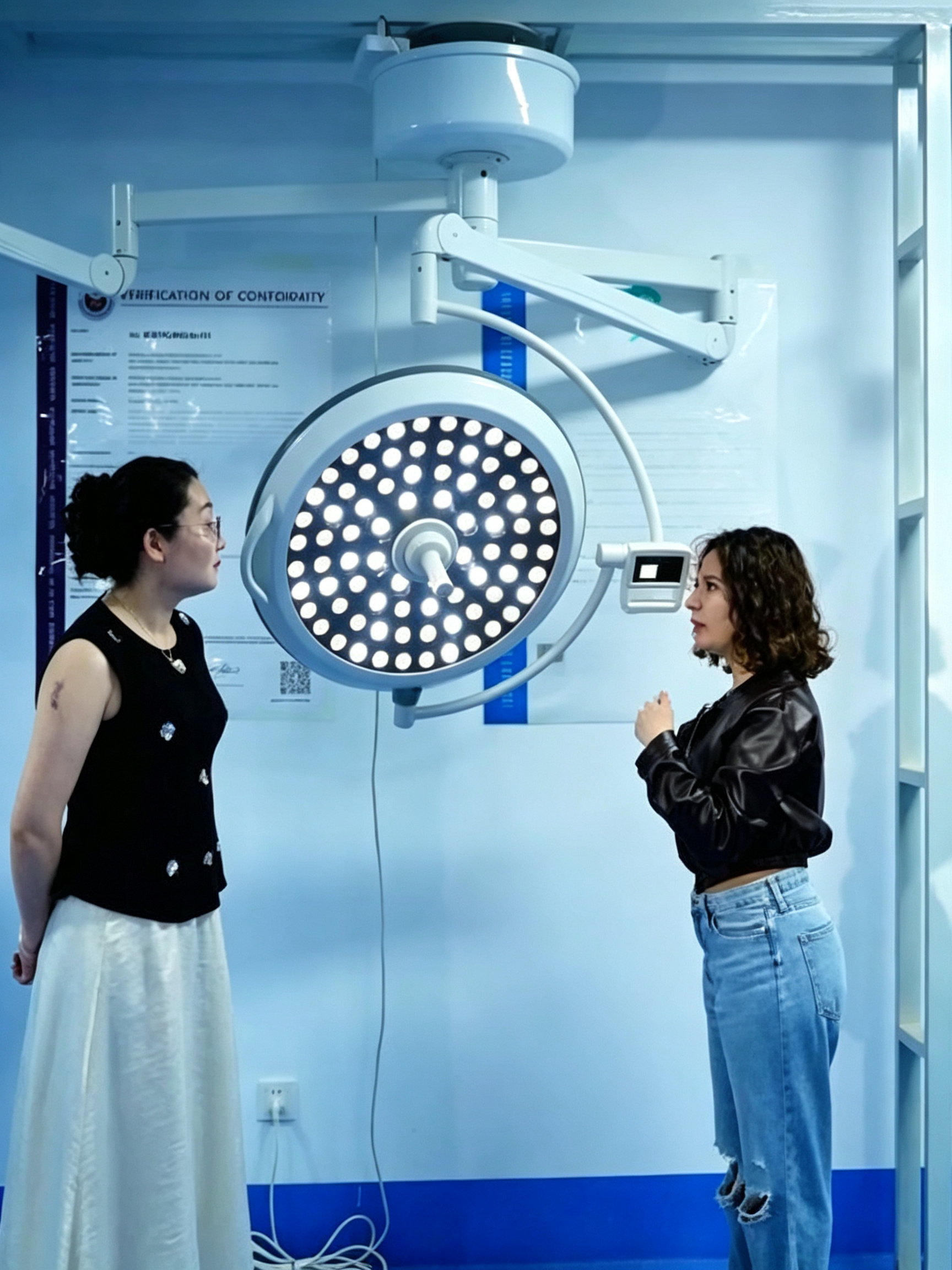
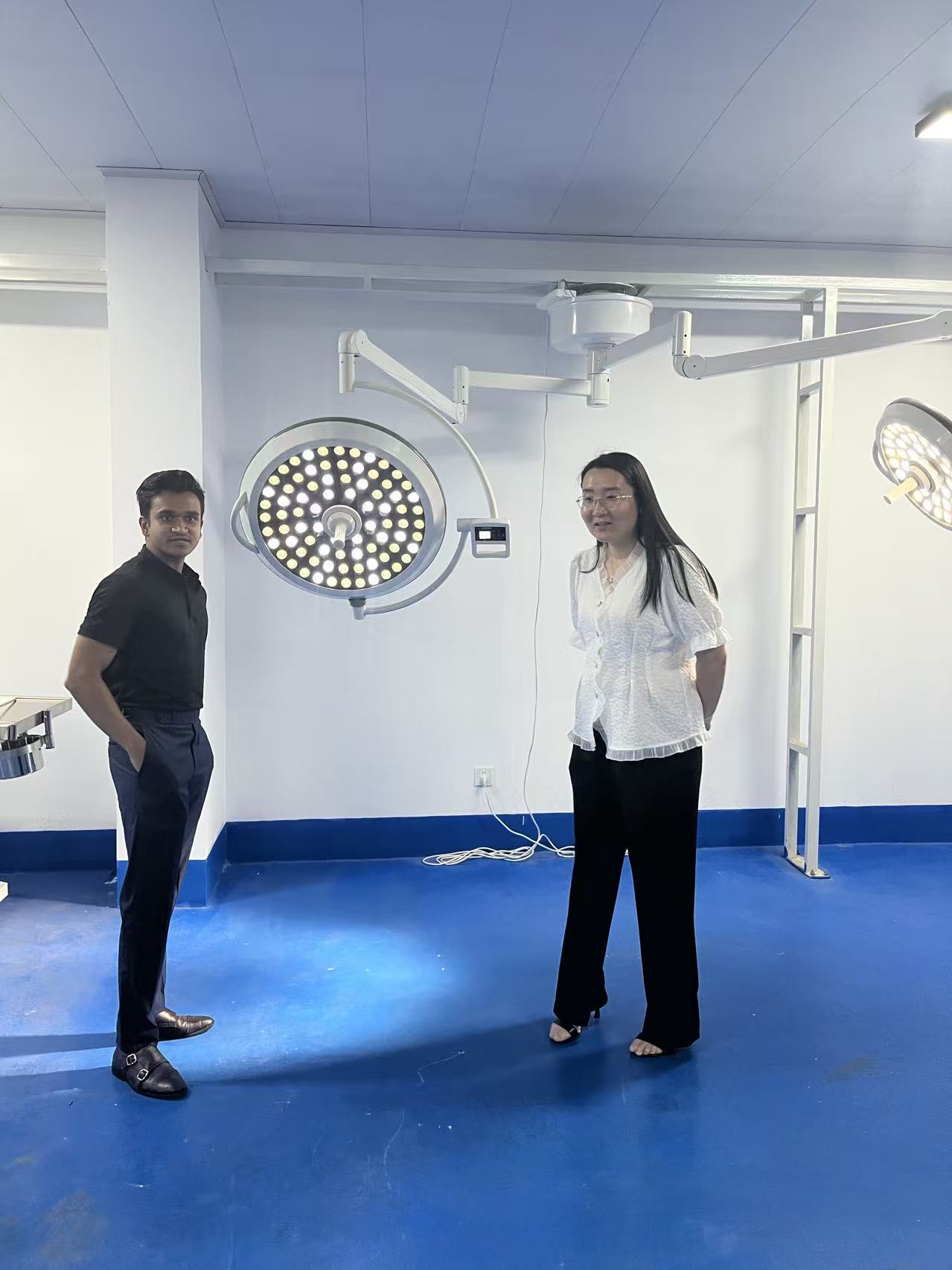
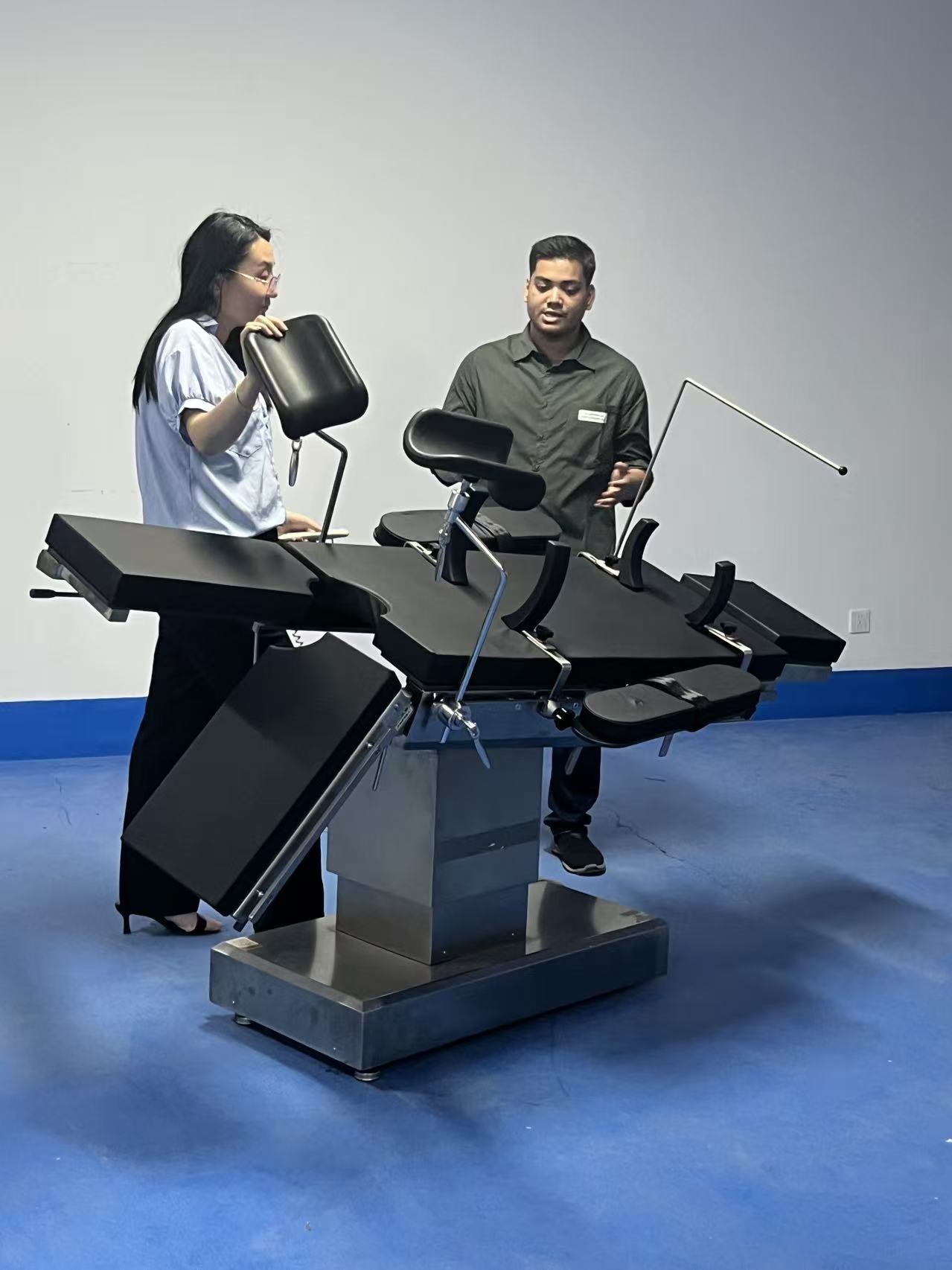
This is the distinction I draw for hospitals building a mixed-equipment facility. The durable infrastructure of the room — a ceiling-mounted LED surgical light, an electric operating table, the medical pendants carrying gas and power — typically stays clinically current for ten to fifteen years. Buying those assets, or taking them on a finance lease with a $1 buyout, usually beats renting them repeatedly. The imaging and robotics in the same suite, by contrast, often make more sense on an operating lease that lets the hospital refresh on a predictable cycle.
- Fast-refresh assets (imaging, robotics, navigation): favor operating leases with refresh clauses; ownership risk outweighs equity benefit.
- Slow-refresh durable assets (lights, tables, beds, pendants, trolleys): favor purchase or finance lease; long useful life makes ownership economical.
- Mixed fleets: finance each category to its own clock rather than forcing one structure across the whole list.
- Align the term to the life: a lease term should track the asset’s expected clinical life, not the other way around.
A Decision Framework I Use on Real Projects
After enough of these conversations, the decision stops feeling like a leap and starts feeling like a checklist. Here is the four-step framework I walk a procurement team through, in order.
Step 1 — Classify every asset by how fast it goes stale
Split the equipment list into fast-refresh and slow-refresh categories before discussing a single payment. This prevents the most common error: applying one financing structure to a list that contains both five-year technology and fifteen-year infrastructure. Refresh speed, not price, is the first determinant of structure.
Step 2 — Model total cost of ownership, not purchase price
Build a ten-year model for each major asset covering acquisition, installation, service, downtime, consumables, training, and disposal, with residual value netted at the end. Run the same scope under purchase, finance lease, and operating lease. The option with the lowest TCO over the period you will actually use the asset wins — regardless of which had the friendliest monthly number.
Step 3 — Test the cash flow and the balance sheet
Confirm the institution can absorb the up-front outflow of a purchase without starving service, training, and contingency budgets. Then check the accounting: under IFRS 16 and ASC 842 a multi-year lease lands on the balance sheet as a right-of-use asset and liability, so do not choose a lease to hide leverage. Involve finance and the auditors now, not after the contract is signed.
Step 4 — Negotiate the exit before you sign the entry
The end-of-term clause is where leases are won or lost. Decide deliberately whether you want a $1 buyout, a fair-market-value purchase, or a clean return with a refresh into newer equipment — and get the residual, the upgrade path, and the early-termination terms in writing. A lease that looks cheap on the way in becomes expensive on the way out if the exit was never negotiated.
The teams that get this right treat the financing structure as part of the equipment specification, not as something finance bolts on afterward. By the time the purchase order is cut, the structure should already be settled — because it shaped which equipment made the list.
How This Played Out on a Recent Turnkey OR Project
A regional hospital group came to us planning a two-room operating suite plus a step-down ward, and their first instinct was to lease the entire package on a single operating lease to preserve cash. It was a reasonable instinct, and it would have been the wrong call for roughly two-thirds of the list.
We classified the assets first. The durable infrastructure — the ceiling-mounted LED surgical lights, the electric operating tables, the ICU and ward hospital beds, the medical pendants, and the trolleys — was slow-refresh equipment with a long, predictable clinical life. For that portion, a finance lease with a $1 buyout preserved their cash without repeatedly renting assets they would use for more than a decade, and let them take ownership at the end. The imaging system anchoring one hybrid room, by contrast, was fast-refresh technology, so we recommended a separate operating lease with a technology refresh clause — a clean upgrade path in roughly five years.
The result was a blended structure: ownership economics on the durable two-thirds, flexibility on the fast-moving third, and one coherent plan that matched each asset to its own clock. Because the equipment came through a coordinated program rather than a dozen separate vendors, the hospital also consolidated its OEM and after-sales support, giving the biomedical team one accountable partner for parts and response times. For institutions weighing a similar path, our project case studies show how these blended programs come together.
The lesson I took from that project is the one this guide rests on: there is no universally correct answer to hospital equipment financing leasing, only a correct answer for each asset given your cash flow, accounting rules, and refresh cycle. The hospital that classified first and financed second got both parts right; the one that tried to force a single structure across the whole list would have got both wrong.
Conclusion
The buy-versus-lease decision in healthcare has moved on from the old ownership-is-always-best orthodoxy. Innovation now outruns depreciation for the highest-ticket assets, and modern lease accounting has stripped away the off-balance-sheet illusion that once made leasing an easy sell. What remains is a genuine engineering decision: match the structure to the asset’s refresh cycle, decide on total cost of ownership rather than purchase price, and negotiate the exit before you sign the entry.
Outright purchase and finance leases reward you for owning durable, long-life equipment — the surgical lights, operating tables, beds, pendants, and trolleys that form the backbone of a facility. Operating leases reward you for staying flexible on fast-moving technology that will be outclassed before it wears out. Most real hospitals need both, applied category by category, inside one coherent plan. If you would like a second opinion on structuring the financing around your next equipment program, get in touch with our team and we will walk the framework through your numbers.
Frequently Asked Questions
Is leasing hospital equipment cheaper than buying it?
Not automatically. An operating lease usually has the lowest monthly payment because you pay for only the portion of the asset’s life you use, but over a long hold period that flexibility costs more in total than buying. Leasing tends to win for fast-refresh technology you will upgrade within a few years; buying or a finance lease tends to win for durable equipment you will use for a decade or more. The honest comparison is always total cost of ownership over the period you actually use the asset.
Does a lease keep the equipment off the balance sheet?
Mostly no, not anymore. Under IFRS 16 and ASC 842, lessees recognize most leases as a right-of-use asset and a corresponding lease liability, so a multi-year lease on major equipment shows up much like financed debt. The main exceptions are short-term leases of twelve months or less and low-value assets. Leasing should therefore be chosen for cash-flow, tax, and lifecycle reasons — not to hide leverage from lenders or rating agencies.
What is a typical lease term for medical equipment?
Terms commonly run from three to seven years, with longer terms available for some high-ticket assets. The right term tracks the asset’s clinical life and refresh cycle: a fast-moving imaging or robotics system often sits on a shorter operating lease aligned to a five-year upgrade path, while durable equipment may carry a longer finance lease that ends in ownership. Align the term to the life of the asset, so you are neither paying for unused flexibility nor locked into an asset past its prime.
When does outright purchase still make sense?
Outright purchase makes the most sense when the asset has a long, predictable clinical life, holds residual value, and you have capital not earning a better return elsewhere. Durable infrastructure — surgical lights, operating tables, hospital beds, pendants, and trolleys — fits this profile well. Purchase also suits you when you want to avoid finance charges entirely and can absorb the up-front cost without starving other budgets. The trap is buying fast-refresh technology outright and owning an asset that is clinically obsolete before it feels paid for.
How does total cost of ownership change the decision?
Completely. TCO reframes the question from “which option has the lowest price today” to “which option costs the least across the whole life of the asset.” Once you add installation, service, downtime, consumables, training, and disposal to the acquisition cost, the cheapest machine to buy is frequently not the cheapest to own, and a lease that wraps in maintenance can beat a bare purchase over ten years. A like-for-like TCO model across purchase, finance lease, and operating lease is the most reliable way to decide.
For direct payment terms instead of financing, see the T/T vs L/C payment guide.
You May Also Like...

Pricing Your Imported Equipment as a Distributor
A distributor’s price is not the factory price plus a flat markup. It is the...

Container Loading Plans: Volume and Cargo Protection
Container loading plans for medical equipment are the packing and stowage layout that decides how...

Budgeting for Installation and Training Costs
The invoice price of medical equipment is the smaller half of its cost. The larger...