
الملخص التنفيذي
قائمة مرجعية كاملة وقابلة للتنفيذ لتحديد حزمة معدات متكاملة لغرفة العمليات: كل فئة من فئات الأجهزة، ومصفوفة تكوينات أنواع غرف العمليات، ومعايير الامتثال IEC، وبروتوكول التشغيل والاختبار.
For a Middle East private clinic scenario with a full scope matrix, see our two-OR turnkey guide.
للفرق التي تعمل على نفس القرار، راجع from sample order to hospital program.
كل عام، يكتشف مسؤولو المستشفيات ومقاولو الهندسة والمشتريات (EPC) أن تجميع غرفة عمليات من أوامر شراء فردية يخلق كابوسًا تنظيميًا. يصل ضوء الجراحة مع حامل سقف غير متوافق مع نظام التعليق. لا يمكن لجهاز التخدير التفاعل مع منافذ الغاز المدمجة بالفعل في الجدار. تفشل وحدة الجراحة الكهربائية في اختبار التوافق الكهرومغناطيسي لأن أحدًا لم يتحقق من الامتثال لمعيار IEC 60601-1-2 في مرحلة المواصفات. هذه ليست سيناريوهات افتراضية؛ بل هي النتائج الحتمية للتعامل مع بيئة متكاملة معقدة كمجموعة من بنود غير مترابطة.
تعمل حزمة معدات غرفة العمليات الجاهزة (turnkey) على حل هذه المشكلة من خلال تجميع كل جهاز ومكوّن بنية تحتية وقطعة أثاث في عملية شراء واحدة منسقة. عندما يتم تصميم الحزمة بشكل صحيح، يتم التحقق المسبق من كل واجهة، ويتم معالجة كل معيار في مرحلة المواصفات، ويستطيع فريق التشغيل والاختبار التحقق من النظام بأكمله كوحدة واحدة بدلاً من استكشاف أخطاء التعارضات بين الموردين. من خلال خبرتنا في العمل مع فرق EPC في مشاريع المستشفيات عبر جنوب شرق آسيا والشرق الأوسط وأفريقيا، يظهر الفرق بين الشراء المجزأ والحزمة جيدة التنظيم عادةً في الجدول الزمني للتشغيل والاختبار: تصل المشاريع المنسقة إلى مرحلة التسليم قبل المشاريع المجزأة بأسابيع.
يقدم هذا الدليل قائمة مرجعية كاملة وقابلة للتنفيذ لتحديد مواصفات حزمة معدات غرفة العمليات الجاهزة (turnkey). نغطي كل فئة رئيسية من فئات المعدات، ونفصّل اختلافات التكوين حسب التخصص الجراحي، ونشير إلى معايير الامتثال التي تحمي المرضى وميزانيات الشراء على حد سواء. سواء كنت تخطط لغرفة عمليات عامة واحدة أو قسمًا متعدد الغرف، فهذا هو المرجع الذي يحتاجه فريق مشروعك قبل إصدار مناقصة. للحصول على شرح كامل على مستوى المشروع من الفكرة إلى التسليم، راجع نظرة عامة على حل غرفة العمليات الجاهزة (turnkey).
ما الذي يحدد حزمة معدات غرفة العمليات الجاهزة (turnkey)؟
تحمل كلمة “turnkey” معنى محددًا في بناء المستشفيات: يحصل المشتري على بيئة جراحية كاملة الوظائف حيث تم تركيب كل نظام واختباره ومعايرته، ويمكن للفريق السريري البدء بالعمل من اليوم الأول دون الحاجة إلى توريد مكونات مفقودة. يتجاوز هذا بكثير مجرد تسليم صناديق من المعدات إلى رصيف التحميل. تشمل الحزمة الجاهزة الحقيقية تنسيق التصميم، وهندسة الواجهات، والتركيب، والتشغيل والاختبار، وتدريب الموظفين، وتسليم الوثائق.
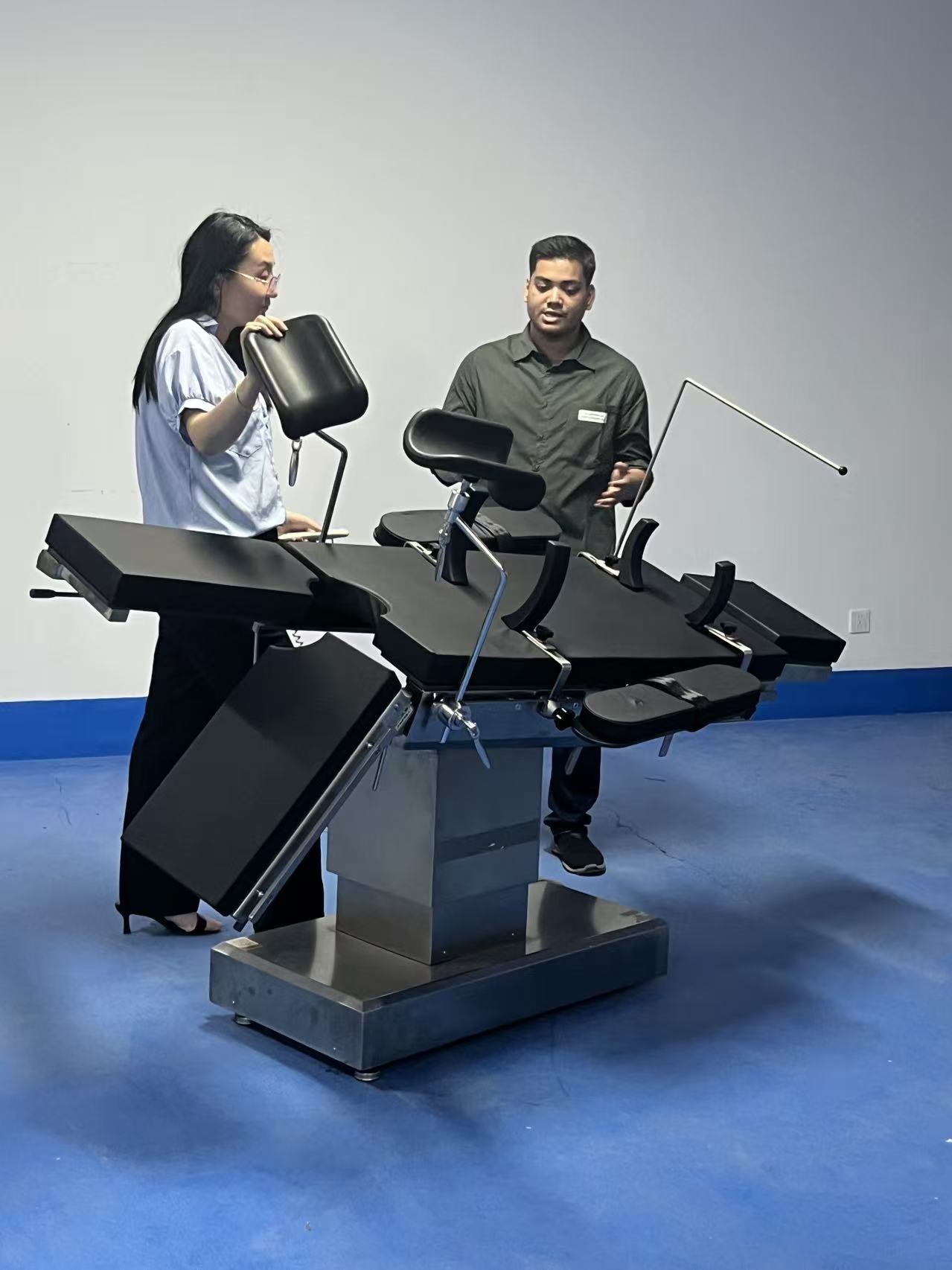
من منظور المشتريات، يجب أن تغطي الحزمة سبعة مجالات معدات على الأقل: الإضاءة الجراحية، ودعم المريض (طاولة العمليات)، وأنظمة الخدمة السقفية (المعلقات)، وتوصيل التخدير، ومراقبة المريض، والطاقة الجراحية والملحقات، والبنية التحتية للغرفة (تدفق الهواء الصفحي، والأبواب، ولوحات التحكم، والأثاث). إن غياب حتى مجال واحد من نطاق المناقصة يخلق فجوة يجب على المستشفى سدها بشكل منفصل، مما يعيد إدخال مخاطر التنسيق التي صُممت الحزمة للقضاء عليها.
في مصنعنا، شهدنا مشاريع حيث حدد مقاول EPC المعلقات من مورد واحد وجهاز التخدير من مورد آخر، ليكتشفوا في الموقع أن ذراع التعليق لا يمكنها تحمل وزن الجهاز مع شد خرطوم الغاز في نفس الوقت. إن نهج الحزمة الواحدة مع حسابات الأحمال المُتحقق منها مسبقًا يلغي هذا النوع من الفشل تمامًا.
يصنف النموذج المتدرج الذي يستخدمه معظم موردي الحلول الجاهزة الحزم حسب التعقيد الجراحي ودرجة التنقية. يتطلب إعداد الجراحة اليومية عادةً تدفقًا صفحيًا من الفئة 10000 مع طاولة كهربائية يدوية أو أساسية وضوء LED برأس واحد. ترتقي غرفة العمليات العامة القياسية في المستشفى إلى درجة تنقية الفئة 1000، وضوء جراحي برأسين، وطاولة كهربائية بالكامل، ومعلقات سقفية، ومحطة تخدير متكاملة. تتطلب الأجنحة المتقدمة لجراحة القلب أو الصدمات أو المستشفيات التعليمية تدفق هواء فائق النظافة من الفئة 100، وإضاءة متكاملة بالفيديو، وتخديرًا عالي المستوى مع قنوات غاز متعددة، ومعلقات بذراعين مزدوجين، وغالبًا جدران مبطنة بالرصاص للتصوير أثناء العملية.
فئات المعدات الأساسية: القائمة المرجعية الكاملة
فيما يلي التفصيل النهائي لكل فئة. يذكر كل عنصر الوظيفة التي يؤديها، والمعيار الحاكم، وملاحظات التكوين النموذجية. نقدم الكميات كتكوينات نموذجية وليست متطلبات مطلقة، لأن الأرقام الفعلية تعتمد على أبعاد الغرفة، وحجم العمليات الجراحية، والبروتوكولات المؤسسية.
الإضاءة الجراحية
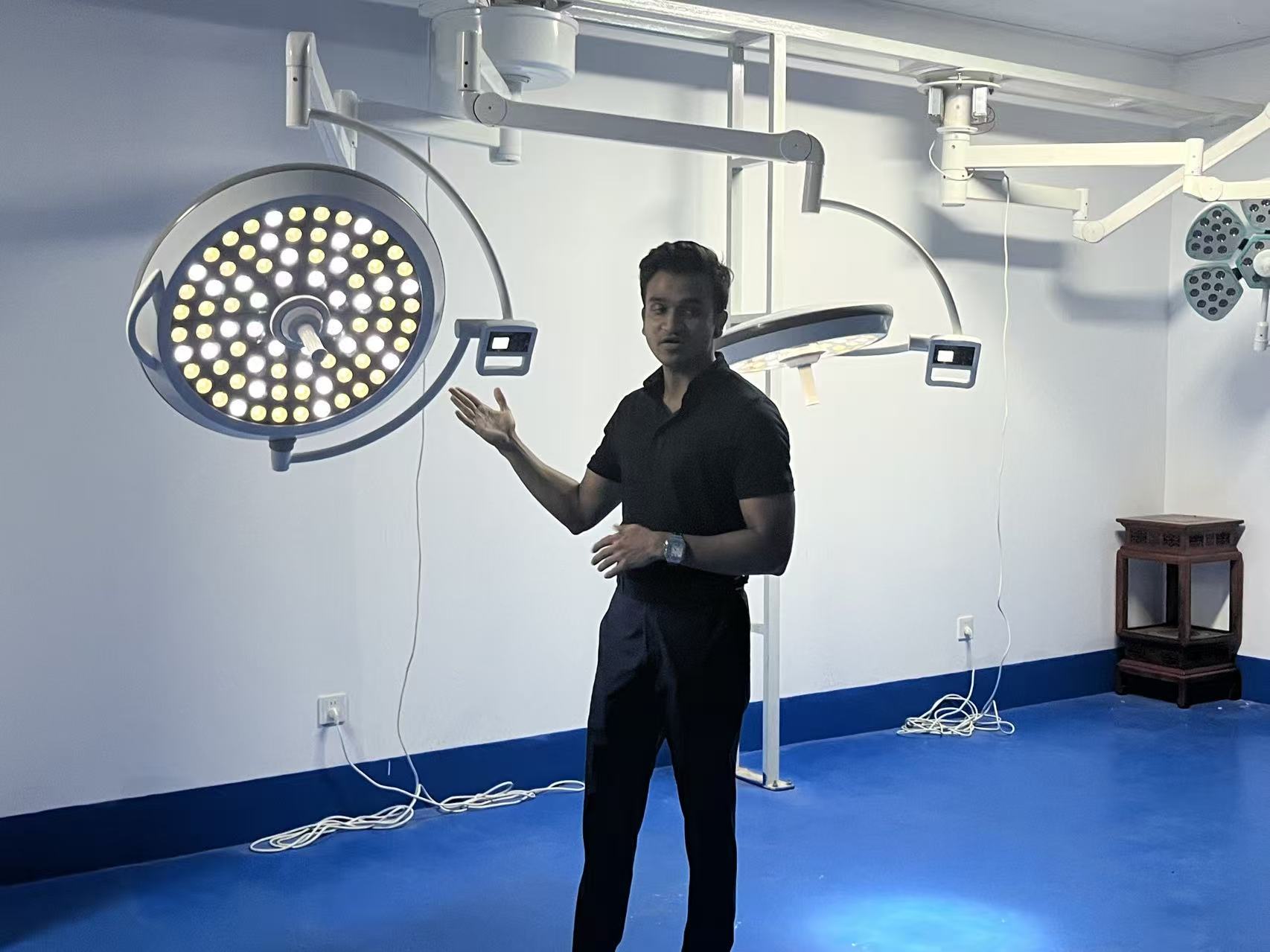
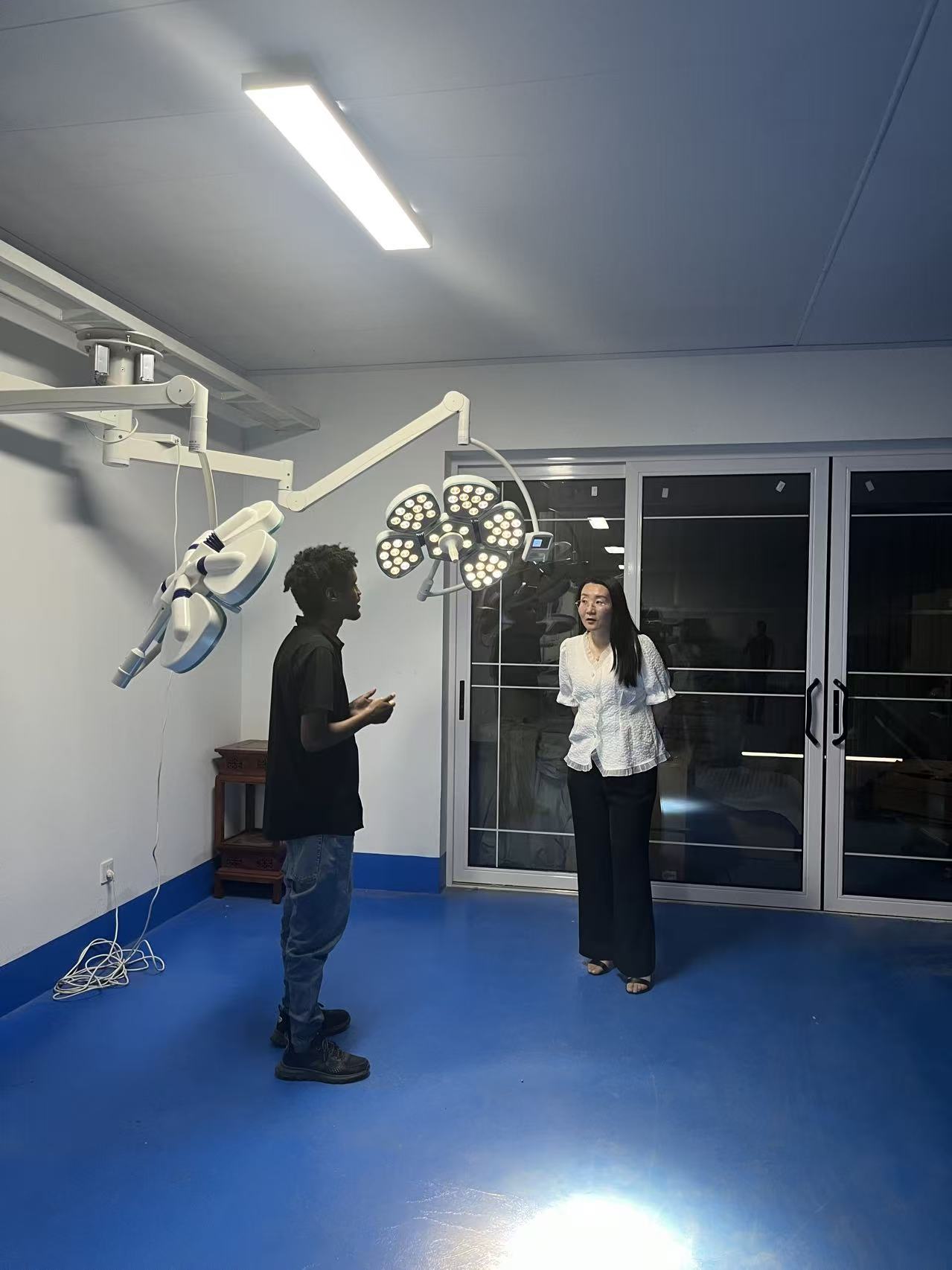
يجب أن تتوافق مصابيح الجراحة مع معيار IEC 60601-2-41:2021 (الطبعة الثالثة)، الذي يحدد متطلبات انتظام الإضاءة، وتجسيد الألوان، وعمق الإضاءة، والسلامة الضوئية الحيوية. تستخدم غرفة العمليات العامة النموذجية تكوينًا مزدوج الرأس مثبتًا بالسقف، رأس أساسي فوق المجال الجراحي ورأس ثانوي لجانب المساعد. يجب أن يوفر كل رأس حدًا أدنى 40000 لوكس عند المسافة المرجعية التي تحددها الشركة المصنعة، مع مؤشر تجسيد ألوان (Ra) يبلغ 96 أو أعلى. بالنسبة للإجراءات التي تتطلب تصورًا ممتدًا، مثل الجراحة المجهرية أو الاستئصال السرطاني الطويل، حدد رؤوسًا بدرجة حرارة لون قابلة للتعديل في نطاق 3500-5000 كلفن لتقليل إجهاد عين الجراح.
طاولة العمليات
تخضع طاولات العمليات للمعيار IEC 60601-2-46 المتعلق بمتطلبات السلامة الخاصة. يؤثر الاختيار بين التشغيل الكهروهيدروليكي والتشغيل الكهربائي بالكامل على دورات الصيانة ودقة التموضع. بالنسبة للحزمة القياسية، حدد طاولة ذات حد أدنى لوزن العمل الآمن يبلغ 250 كجم، وأقسام سطح طاولة شفافة للأشعة متوافقة مع جهاز C-arm، وخمسة أقسام مفصلية على الأقل (الظهر، المقعد، تقسيم الساقين، ترندلنبورغ). تتطلب تكوينات جراحة العظام ملحقات جرّ範囲 أكبر للانزلاق الجانبي.
المعلقات الطبية بالسقف
تحمل المعلقات السقفية منافذ الغازات الطبية والمآخذ الكهربائية ومنافذ البيانات وأرفف المعدات. وفقًا لجداول المكونات القياسية لإرشادات iHFG (إرشادات المنشآت الصحية الدولية)، تحمل معلقة غرفة العمليات النموذجية منفذين للأكسجين، ومنفذًا واحدًا لأكسيد النيتروز، ومنفذًا واحدًا للهواء الطبي، ومنفذين للشفط، ومنفذًا واحدًا للتخلص من الغازات، وحدًا أدنى 6 مآخذ طاقة طوارئ بالإضافة إلى 6 مآخذ طاقة معزولة. يجب حساب طول ذراع المعلقة وسعة الحمولة بناءً على المعدات الفعلية التي ستحملها، بما في ذلك أجهزة التخدير والشاشات ومضخات التسريب.
محطة عمل التخدير
تخضع محطات عمل التخدير للمعيار ISO 80601-2-13:2022، الذي يتناول النظام الكامل بما في ذلك توصيل الغازات ودوائر التنفس والمبخرات وأجهزة التنفس الصناعي وأنظمة التخلص من الغازات والمراقبة وأنظمة الإنذار. للحزمة المتكاملة، حدد محطة عمل بثلاث قنوات غاز على الأقل (O2، N2O، هواء)، وجهاز تنفس صناعي مدمج يدعم كلاً من أنماط التحكم بالحجم والتحكم بالضغط، وشاشة مراقبة للمريض مدمجة مع قدرة تحليل SpO2 وEtCO2 والغازات المتعددة. يُعد دعم البطارية لمدة 30 دقيقة على الأقل متطلبًا شائعًا في المناقصات.
مراقبة المريض وإزالة الرجفان
تتطلب كل غرفة عمليات حدًا أدنى من شاشة مراقبة واحدة متعددة المعايير للمريض تعرض ECG (3 أسلاك حد أدنى، 5 أسلاك مفضلة)، وSpO2، وNIBP، وضغط الدم الغزوي (للأجنحة المتقدمة)، ودرجة الحرارة. يجب أن يكون جهاز إزالة الرجفان المزود بقدرة تنظيم ضربات القلب الخارجي متاحًا داخل الغرفة، وعادةً ما يُثبت على عربة الإنعاش أو حامل الجدار. بالنسبة للمستشفيات التعليمية، فكر في نظام مراقبة مركزي يغذي بث غرفة العمليات إلى قاعة المحاضرات أو محطة مشاهدة عن بُعد.
أجهزة الطاقة الجراحية والأجهزة الداعمة
تُعد وحدة الجراحة الكهربائية (ESU) العمود الفقري للجراحة الحديثة. حدد وحدة ذات إخراج أحادي القطب وثنائي القطب، وبحد أدنى 300 واط للقطع و120 واط للتخثر للجراحة العامة، وقدرة إغلاق الأوعية الدموية للإجراءات المتقدمة. تشمل الأجهزة الداعمة: وحدتي شفط (واحدة مثبتة على الحائط عبر المعلقة، وواحدة احتياطية محمولة)، و2-4 مضخات تسريب/حقن على حوامل الوريد أو أرفف المعلقات، وجهاز شفط الدخان لحالات تنظير البطن والليزر، ونظام تدفئة للمريض (بطانية هواء قسري) لمنع انخفاض حرارة الجسم أثناء الجراحة.

تكوين المعدات حسب نوع غرفة العمليات
لا تحتاج كل غرفة عمليات إلى المعدات نفسها. تختلف متطلبات وحدة الجراحة النهارية التي تجري استخراج الساد اختلافًا جوهريًا عن متطلبات الجناح الهجين الذي يجري استبدال الصمام الأبهري عبر القسطرة. يلخص الجدول أدناه التكوينات النموذجية عبر أربعة نماذج شائعة لغرف العمليات. تمثل الكميات تكوينًا نموذجيًا لغرفة واحدة؛ يجب التحقق من المواصفات الفعلية مقابل مزيج الحالات الجراحية والبروتوكولات المؤسسية.
| فئة المعدات | غرفة العمليات الجراحية العامة | غرفة عمليات جراحة العظام | غرفة عمليات المنظار / الجراحة طفيفة التوغل | غرفة العمليات الهجينة |
|---|---|---|---|---|
| ضوء جراحي | LED ثنائي الرأس، مثبت على السقف | LED ثنائي الرأس، عالي اللوكس للتجاويف العميقة | LED ثنائي الرأس + ذراع شاشة المنظار | LED ثنائي الرأس، مدمج بالفيديو، جاهز للكاميرا |
| طاولة العمليات | كهربائي، خماسي المقاطع، حمولة عمل آمنة 250 كجم | كهربائي، شفاف للأشعة، ملحقات جر، حمولة عمل آمنة 300+ كجم | كهربائي، إمالة تراندلينبورغ حتى 30 درجة، خيار وضعية بضع الحصاة | سطح طاولة عائم، متوافق مع تصوير الأوعية، ألياف كربون |
| معلّق سقفي | أحادي الذراع، غاز/طاقة قياسي | أحادي الذراع، معزز لخلوص ذراع سي | ثنائي الذراع (تخدير + جراحي)، منافذ بيانات إضافية | ذراع مزدوج، قدرة تحميل عالية، توجيه مدمج |
| محطة عمل التخدير | مراقبة ثلاثية الغازات القياسية، شاشة مدمجة | مراقبة ثلاثية الغازات القياسية، منفذ منبه الأعصاب | مراقبة ثلاثية الغازات القياسية، قياس ثاني أكسيد الكربون الزفيري إلزامي | طراز متطور، متعدد الغازات، قدرة على التسريب الموجه بالهدف |
| شاشة مراقبة المريض | 5 معايير (ECG، SpO2، NIBP، Temp، Resp) | 5 معايير + خيار IBP | 5 معايير + EtCO2 | ديناميكا الدم الكاملة: IBP، CVP، CO، BIS |
| وحدة الجراحة الكهربائية | أحادي القطب + ثنائي القطب، 300 واط | أحادي القطب + ثنائي القطب، تخثير عالي الطاقة للعظام | أحادي القطب + ثنائي القطب + إغلاق الأوعية، خيار الأرجون | ثنائي القطب متقدم، إغلاق الأوعية، مدمج مع التصوير |
| التصوير أثناء العملية | لا يوجد (أشعة سينية محمولة عند الطلب) | ذراع C (متحرك أو مثبت بالسقف) | برج التنظير، جهاز النفخ، شاشة 4K | نظام تصوير الأوعية الثابت + ذراع C |
| فئة تدفق الهواء الصفحي | الفئة 1,000 | الفئة 1,000 (الفئة 100 لاستبدال المفاصل) | الفئة 1,000 | الفئة 100 |
| البنية التحتية الخاصة | جدران معيارية قياسية | أرضية معززة لجهاز C-arm، تخزين مئزر الرصاص | منافذ بيانات/فيديو إضافية، أذرع شاشات | جدران مبطنة بالرصاص، أبواب حماية من الإشعاع، UPS |
| أثاث غرفة العمليات (نموذجي) | طاولة مايو، عربة أدوات ×2، دلو ركل ×2، مقعد ×2 | إضافة: ملحقات طاولة الجراحة العظمية للشد، حامل مآزر الرصاص | إضافة: عربة التنظير الداخلي، رف جهاز النفخ | إضافة: حاقن وسط التباين، شاشة رصاصية، محطة تقرير |
الرؤية النقدية المستخلصة من هذه المقارنة هي أن البنية التحتية الأساسية، والجدران المعيارية، والأرضيات، وشبكة السقف، وخط أنابيب الغازات الطبية، تظل ثابتة إلى حد كبير عبر أنواع غرف العمليات. ما يتغير هو المعدات المثبتة داخل هذا الهيكل وواجهات المرافق المطلوبة لدعمها. وهذا هو بالضبط سبب نجاح نهج التسليم الجاهز: يتم تصميم البنية التحتية مرة واحدة لاستيعاب التكوين الأكثر تطلبًا في القسم، ويتم تجهيز الغرف الفردية وفقًا لدورها الجراحي.
المعايير والامتثال: ما يجب أن تشير إليه مناقصتك
الامتثال ليس مجرد تمرين لتعليم المربعات؛ بل هو الآلية التي تمنع حالات الفشل الكارثية في البيئات عالية الخطورة. يجب أن يحمل كل جهاز في حزمة معدات غرفة العمليات الخاصة بك علامة CE بموجب لائحة الاتحاد الأوروبي MDR 2017/745 (أو التصريح الإقليمي المكافئ) وأن يُصنَّع في إطار نظام إدارة جودة معتمد وفق ISO 13485. وبالإضافة إلى هذه المتطلبات الأساسية، تنطبق معايير IEC 60601 الفرعية المحددة على كل فئة من فئات الأجهزة.
- آي إي سي 60601-1 (الطبعة 3.2): المتطلبات العامة للسلامة الأساسية والأداء الأساسي لجميع المعدات الكهربائية الطبية. هذا هو المعيار الأم؛ يجب أن يتوافق معه كل جهاز يعمل بالكهرباء في غرفة العمليات.
- آي إي سي 60601-1-2: التوافق الكهرومغناطيسي. أمر بالغ الأهمية في غرفة العمليات حيث تعمل أجهزة متعددة عالية التردد في وقت واحد. عدم الامتثال هنا يسبب تداخلاً بين وحدة الجراحة الكهربائية وشاشات مراقبة المرضى.
- آي إي سي 60601-2-41:2021: مصابيح الجراحة. يغطي شدة الإضاءة، والتجانس، ودقة الألوان، والناتج الحراري، وحدود المخاطر البيولوجية الضوئية.
- IEC 60601-2-46: طاولات العمليات. يتناول سعة التحميل، والثبات، والسلامة الكهربائية للمحركات، ومتطلبات الشفافية الإشعاعية.
- ISO 80601-2-13:2022: محطات التخدير. معيار شامل من 103 صفحات يغطي توصيل الغازات، والتهوية، والتخلص من الغازات الزائدة، والإنذارات، وتكامل المراقبة.
- 13. يفرض معيار NFPA 99 حدًا أقصى مسموحًا به لمعدل التسرب يبلغ 1×10⁻⁴ سم³/ثانية تحت اختبار انخفاض الضغط. هذا ليس اقتراحًا. إذا لم تستطع منشأتك إظهار هذا القياس أثناء التفتيش، فأنت تواجه استشهادًا.: كود مرافق الرعاية الصحية. يحكم تركيب خطوط أنابيب الغازات الطبية، والأنظمة الكهربائية في مناطق رعاية المرضى، ومتطلبات التهوية. تتم الإشارة إليه في معظم المناقصات الدولية حتى خارج الولايات المتحدة.
كثيراً ما نرى المشترين يركزون حصرياً على سعر الوحدة ويتجاهلون شهادة اختبار التوافق الكهرومغناطيسي. في أحد المشاريع، أظهرت ثلاث شاشات لمراقبة المرضى من دفعات مختلفة تشوهات متقطعة في مخطط كهربية القلب كلما اشتغلت وحدة الجراحة الكهربائية. كان السبب الجذري هو فقدان تقرير اختبار IEC 60601-1-2 لهذا الإصدار من الشاشة. وقد تجاوزت تكلفة الاستبدال وتأخير الأسبوعين بكثير التوفير الأولي الناتج عن اختيار المورد الأرخص.
بالنسبة لمقاول التصميم والشراء والإنشاء، فإن الأثر العملي هو أن وثائق المناقصة الخاصة بك يجب أن تلزم الموردين بتقديم تقارير اختبار النماذج من مختبرات معتمدة (موقعة على اتفاقية الاعتراف المتبادل ILAC-MRA) لكل معيار فرعي معمول به. لا تقبل إعلاناً عاماً “معتمد وفق CE” دون تحديد المعايير المحددة التي تم اختبارها. الفرق بين المورد الذي اختبر وفق IEC 60601-2-41 الطبعة الثالثة والمورد الذي اختبر وفق الطبعة الثانية الملغاة كبير: فقد أضافت الطبعة الثالثة حدود التعرض للمخاطر البيولوجية الضوئية وعدّلت متطلبات صفاء الألوان التي تؤثر مباشرة على سلامة الجراح أثناء العمليات الطويلة.
البنية التحتية والتكامل: الطبقة التي يقلل معظم المشترين من شأنها
لا تعمل المعدات في فراغ. إن هيكل غرفة العمليات، والألواح الجدارية المعيارية، والهيكل السقفي، والأرضيات، وأنظمة التدفئة والتهوية وتكييف الهواء، وخط أنابيب الغازات الطبية، كلها تحدد ما إذا كانت الأجهزة التي اخترتها بعناية قادرة فعلاً على العمل كما هو مقصود. في خبرتنا المشروعية، تتسبب أوجه عدم التطابق في البنية التحتية في إعادة عمل في الموقع أكثر من عيوب المعدات نفسها.
ابدأ بالهيكل السقفي. تفرض أضواء الجراحة والشماعات الطبية أحمالاً مركزة نقطية يجب أن يتحملها شبك السقف. يزن تجميع ضوء الجراحة LED ثنائي الرأس عادةً 80-120 كجم بما في ذلك الأذرع وتجهيزات التركيب. أما ذراع الشماعة المحمّل بجهاز تخدير وشاشتين ومضخات حقن فيمكن أن يفرض 150 كجم أو أكثر على نقطة تثبيت واحدة في السقف. يجب حساب هذه الأحمال خلال مرحلة التصميم الإنشائي، وليس اكتشافها أثناء التركيب. إن دليل تخطيط وأبعاد غرفة العمليات تغطي اعتبارات التخطيط المكاني التي تحدد موضع الشماعات، ومدى وصول أذرع الأضواء، ومناطق خلوص المعدات.
نقاط إنهاء خطوط الغازات الطبية يجب أن تتماشى مع مواضع الأعمدة المعلقة ومواقع المخارج المثبتة على الجدران. يجب تحديد أنواع الغازات المطلوبة (الأكسجين، أكسيد النيتروز، الهواء الطبي، الهواء الجراحي، التفريغ، شفط غازات التخدير WAGD) وكمياتها لكل غرفة قبل أن يبدأ مقاول خطوط الأنابيب في الأعمال الأولية (الـ rough-in). إضافة خطوط غاز إضافية بعد تركيب الألواح الجدارية مكلفة وتعطيلية.
التخطيط الكهربائي يتطلب أنظمة طاقة معزولة (IPS) لجميع دوائر مناطق المرضى، وتغذية طاقة الطوارئ لمعدات السلامة الحياتية، ودوائر مخصصة للأجهزة عالية الاستهلاك مثل أجهزة C-arms وأنظمة تصوير الأوعية. يجب تحديد البنية التحتية للبيانات، ووصلات الإيثرنت لأنظمة غرف العمليات المتكاملة، وتوجيه الفيديو لأغراض التنظير الداخلي والتعليم، وتكامل اتصالات الممرضات، بالتزامن مع الأعمال الكهربائية الأولية لتجنب عمل فتحات إضافية لاحقًا.
بروتوكول التركيب والتشغيل والتسليم
الانتقال من “تسليم المعدات” إلى “غرفة العمليات جاهزة للجراحة” هو المجال الذي تحقق فيه حزم التسليم الجاهز (turnkey) قيمتها الإضافية. يتبع بروتوكول التشغيل المنظم عادةً أربع مراحل، ويجب أن يحدد عقدك معايير القبول لكل مرحلة.
- المرحلة 1 – التحقق الميكانيكي والكهربائي: Confirm all ceiling mounts, pendant arms, and wall brackets are installed to engineered drawings. Torque-check all structural fasteners. Verify electrical continuity, earth bonding, and IPS isolation resistance (minimum 1 MΩ per IEC 60601-1 requirements).
- Phase 2 – Gas Pipeline and Airflow Testing: Pressure-test medical gas lines per NFPA 99 or HTM 02-01 (UK). Perform laminar airflow validation using smoke visualization and particle counting to confirm the specified ISO class. Verify positive pressure differential between the OR and adjacent corridors (typically +15 Pa minimum).
- Phase 3 – Equipment Calibration and Functional Testing: Calibrate surgical lights for illuminance and color temperature at the specified working distance. Test operating table through full range of motion under load. Run anesthesia workstation through self-test and leak-test protocols. Verify all monitors against a physiological simulator.
- Phase 4 – Integrated Workflow Simulation: Conduct a full mock procedure with clinical staff. Test every pendant outlet under simultaneous load. Activate all alarms. Verify crash-cart access routes. Confirm video routing, recording, and communication systems. Document any deficiencies for punch-list resolution before formal handover.
The handover documentation package should include: as-built drawings, equipment asset register with serial numbers and warranty start dates, type-test certificates, calibration certificates, preventive maintenance schedules, spare parts lists, and staff training records. For a detailed timeline covering the full project lifecycle from design freeze to clinical go-live, refer to our turnkey operating room project timeline guide.
Common Procurement Mistakes and How to Avoid Them
After supporting dozens of hospital projects, we have identified a recurring set of procurement errors that inflate budgets and delay openings. Awareness of these patterns is the cheapest form of risk mitigation.
Mistake 1: Specifying equipment before finalizing room dimensions. A pendant arm that works in a 42 m2 room may collide with the surgical light in a 36 m2 room. Always confirm the layout before locking equipment models. The OR equipment installation and commissioning guide on our site walks through the spatial verification steps in detail.
Mistake 2: Ignoring total cost of ownership. A surgical light with a lower purchase price but proprietary LED modules creates a captive maintenance cost for 10-15 years. Specify open-standard consumables and confirm spare-parts availability in your region before awarding the contract.
Mistake 3: Omitting training from the scope. Equipment that clinical staff cannot operate safely is functionally absent. Include structured training sessions (minimum 2 days per major device category) in the turnkey contract, with competency sign-off before handover acceptance.
Mistake 4: Treating the BOQ as fixed rather than phased. Surgical programs evolve. A hospital that opens with four general-surgery rooms may add a laparoscopic suite within two years. Design the infrastructure (gas, power, data, ceiling structure) to accommodate future upgrades even if the initial equipment scope is narrower.
الخاتمة
A well-structured operating room equipment package transforms a high-risk, multi-vendor construction project into a manageable, predictable delivery. The key is treating the OR as a system rather than a shopping list: every device interacts with the infrastructure, every standard protects a specific failure mode, and every phase of commissioning validates a different layer of safety.
النقاط الرئيسية:
- A complete turnkey OR package spans seven domains: lighting, table, pendants, anesthesia, monitoring, surgical energy, and room infrastructure. Omitting any one domain reintroduces coordination risk.
- Equipment configuration must match the surgical case mix. Use the OR-type matrix in this article as a starting point, then validate against your institution procedure volume and specialty requirements.
- Compliance is non-negotiable. Require type-test reports to the specific IEC 60601 sub-standards (not just a generic CE mark) and verify EMC testing per IEC 60601-1-2 for every powered device.
- Commissioning is a four-phase process, not a single inspection. Build contractual acceptance criteria around mechanical verification, gas/airflow testing, equipment calibration, and integrated workflow simulation.
If you are planning a hospital project and need a coordinated equipment package designed around your surgical program, room dimensions, and compliance requirements, our engineering team prepares detailed BOQs and layout drawings as part of the initial consultation. Explore our turnkey operating room solutions to see how we structure projects from design freeze through clinical handover.
الأسئلة المتكررة
ما هو المهلة الزمنية النموذجية لتسليم حزمة معدات غرفة العمليات الجاهزة؟
من تأكيد الطلب إلى التسليم في الموقع، تتطلب معظم الطرود من 8 إلى 14 أسبوعًا اعتمادًا على تعقيد المعدات والتخصيص. يضيف التركيب والتشغيل من 2 إلى 4 أسابيع لكل غرفة. قد تمتد غرف العمليات الهجينة ذات أنظمة التصوير الثابتة إلى 20 أسبوعًا إجمالاً.
هل يمكننا خلط العلامات التجارية للمعدات ضمن حزمة تسليم مفتاح؟
نعم، بشرط التحقق من توافق جميع الواجهات خلال مرحلة التصميم. يتحمل المُكامِل المتكامل مسؤولية تأكيد الواجهات الميكانيكية والكهربائية وواجهات البيانات بين الأجهزة بغض النظر عن منشأ العلامة التجارية.
كم عدد غرف العمليات التي يجب أن نخطط لها لمستشفى بسعة 200 سرير؟
A common planning ratio is 1 OR per 50 acute-care beds, suggesting 4 rooms for a 200-bed facility. Actual numbers depend on surgical case volume, average procedure duration, and specialty mix. Consult your clinical planning team for demand modeling.
ما هو مستوى التنقية المطلوب لجراحة استبدال المفاصل؟
استبدال المفاصل العظمي عادةً يتطلب تدفق هواء صفحي من الفئة 100 (ISO 5) فوق المجال الجراحي لتقليل خطر إصابة الزرعة بالعدوى، وهذا يتجاوز معيار الفئة 1,000 المستخدم في معظم إجراءات الجراحة العامة.
هل تشمل حزمة المعدات المواد الاستهلاكية والأدوات الجراحية؟
Standard turnkey packages cover capital equipment and fixed infrastructure. Consumables (sutures, drapes, blades) and reusable surgical instrument sets are usually procured separately through the hospital supply chain, though some suppliers offer starter kits as an optional add-on.
قد يعجبك أيضًا...

Service Contracts and SLAs for OR Equipment: What Buyers Should Negotiate
A service contract looks like a maintenance formality until a light fails at 02:00 before...

Air Change Rates and Recovery Times in the OR: What Equipment Specs Should Assume
An operating room’s ventilation is invisible until something goes wrong. The air change rate decides...

Import Document Pack: What Customs Asks for Medical Devices
A medical equipment shipment stops at customs for one reason more than any other: the...