
Executive Summary
A practical guide to SFDA medical device registration in Saudi Arabia: MDS-REQ 1, risk classification, Authorized Representatives, MDMA fees and timelines, plus UAE and wider GCC requirements.
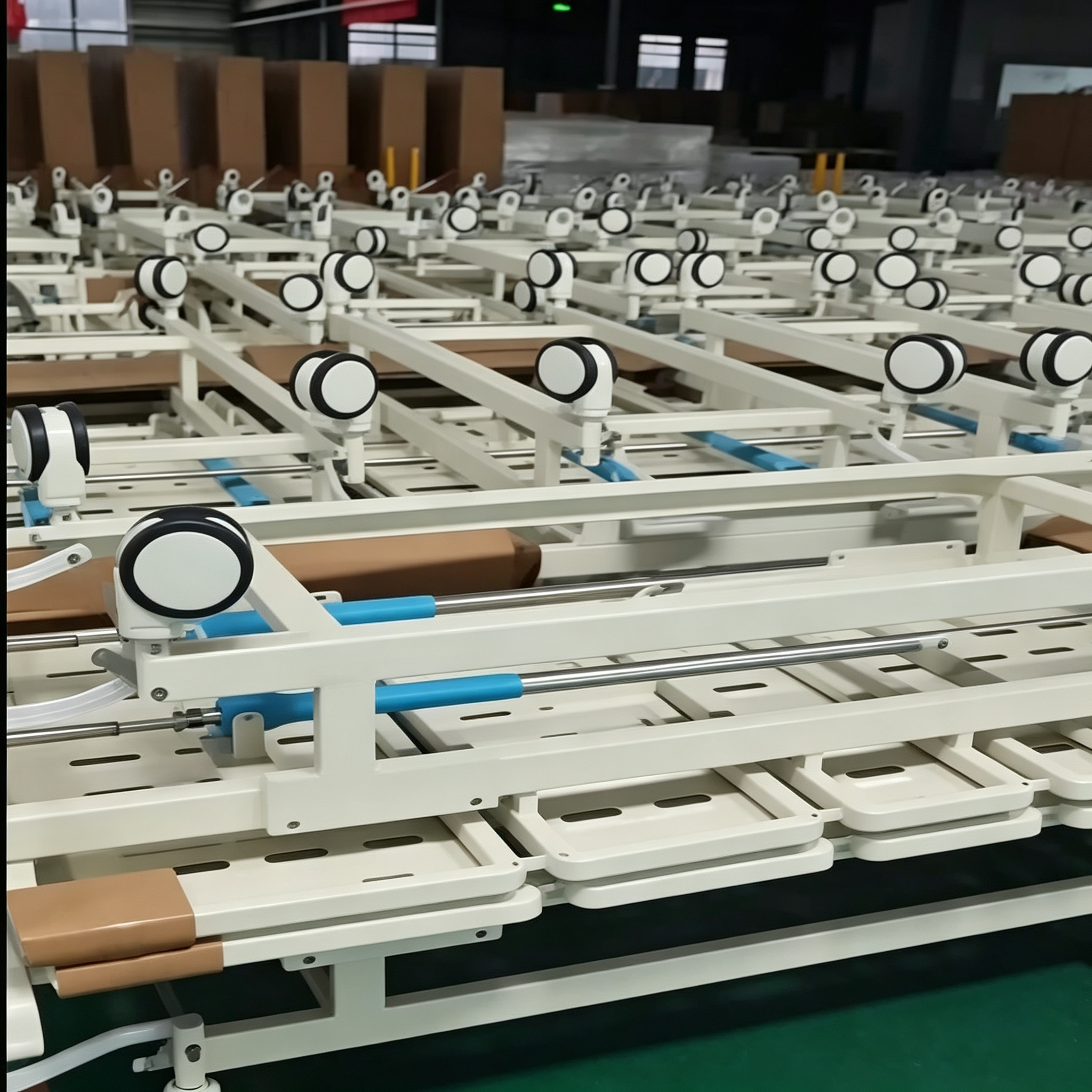
The most expensive sentence in Gulf market entry is “we’ll register the devices after we win the tender.” I have watched distributors lose hospital contracts in Riyadh and Jeddah because the SFDA marketing authorization was still in review while the tender deadline passed. In Saudi Arabia, SFDA medical device registration is not a formality you handle after the sale — it is the license that makes the sale legally possible at all. If you are a manufacturer or an importer planning to place hospital beds, operating tables, or surgical lights in the Kingdom, the registration work starts 6 to 12 months before your first container ships.
The registration file pairs with the project certificate pack: see our two-OR turnkey guide for the document list.
This guide walks through the actual process we use when supporting partners through Saudi SFDA and wider GCC registration: the MDS-REQ 1 requirements, the risk classification system, the Authorized Representative (AR) model, MDMA application steps, realistic fees and timelines, and the mistakes that stall applications. If you are still deciding between regulatory pathways for different markets, our earlier comparison of CE MDR vs FDA requirements for OR equipment import is a useful companion read — the Gulf states build heavily on both frameworks.
And if your long-term plan includes local assembly or private-label production to satisfy Saudization and NUPCO procurement preferences, that changes your registration strategy too — our OEM/ODM localization program is often where that conversation starts.
Why the Gulf Market Is Worth the Regulatory Effort
The Gulf Cooperation Council — Saudi Arabia, the UAE, Kuwait, Bahrain, Qatar, and Oman — has become one of the fastest-growing medical device markets in the world. Combined healthcare spending across the GCC exceeded $90 billion in 2025, with medical devices estimated at $12–14 billion and growing at roughly 7–9% per year. Saudi Arabia alone accounts for about half of that device market, driven by Vision 2030 hospital construction, the privatization of health clusters, and centralized procurement through NUPCO.
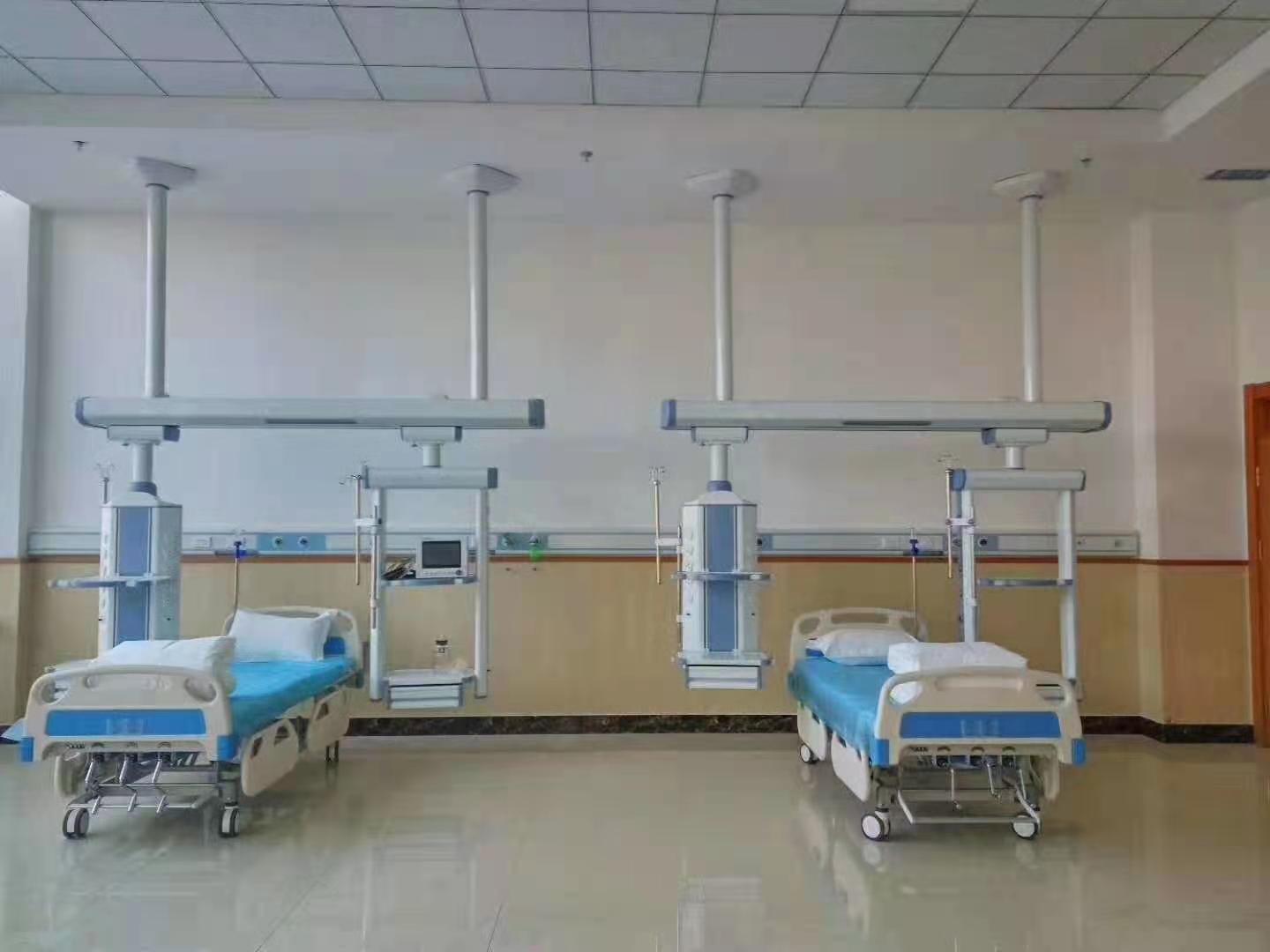
For manufacturers of capital equipment — operating tables, LED surgical lights, hospital beds, medical pendants — the opportunity is concentrated in turnkey hospital projects and government tenders. But nearly all of that procurement requires proof of local registration at bid time, not after award. That single fact shapes the entire go-to-market sequence.
The Saudi SFDA Framework: MDS-REQ 1 and the MDMA
The Saudi Food and Drug Authority (SFDA) regulates medical devices under the Medical Devices Law and its implementing regulations. The core guidance document is MDS-REQ 1, “Requirements for Medical Devices Marketing Authorization” (currently version 6.0). It defines the Essential Principles of Safety and Performance — closely aligned with the IMDRF/GHTF model that also underpins EU MDR 2017/745 — plus the technical documentation, risk classification rules, clinical evaluation, and post-market obligations every manufacturer must meet.
The output of the process is the Medical Device Marketing Authorization (MDMA), issued through SFDA’s online MDMA/GHAD system. Without an MDMA, a device cannot be legally imported, advertised, or sold in Saudi Arabia — and Saudi customs will hold unregistered shipments at the port.
Key pillars of the SFDA system:
- Essential Principles of Safety and Performance — the manufacturer must demonstrate conformity, typically via recognized standards such as IEC 60601-1 for electrical medical equipment, IEC 60601-2-52 for hospital beds, IEC 60601-2-41 for surgical luminaires, and ISO 13485 for the quality management system.
- Risk classification — Classes A, B, C, and D following IMDRF rules, mapped closely to EU MDR logic.
- Authorized Representative — foreign manufacturers must appoint a Saudi-based AR who holds an SFDA AR license and submits the MDMA on the manufacturer’s behalf.
- Arabic labeling and IFU — labels and instructions for lay users must be in Arabic; professional-use devices generally require Arabic labeling on the package at minimum.
- Post-market surveillance — adverse event reporting to the National Center for Medical Devices Reporting (NCMDR), plus renewal obligations.
Practical tip: SFDA reviewers check the ISO 13485 certificate scope line by line. If your certificate scope says “surgical lights” but your application includes hospital beds, expect a deficiency letter. Align the QMS scope with the product family before the AR submits.
Step 1: Classify Your Device (Classes A–D)
Saudi classification follows IMDRF rules and mirrors the EU MDR structure: Class A (low risk), Class B (low-moderate), Class C (moderate-high), and Class D (high risk). Most hospital furniture and capital equipment lands in Class A or B:
| SFDA Class | Risk Level | Typical OR / Ward Equipment Examples | Evidence Expectation |
|---|---|---|---|
| Class A | Low | Non-sterile medical trolleys, instrument tables, basic examination beds | Self-declaration against Essential Principles; streamlined MDMA route |
| Class B | Low–moderate | Electric hospital beds, operating tables, LED surgical lights, medical pendants (active devices, IEC 60601 family) | Full technical file, IEC 60601 test reports, ISO 13485, reference-market approval (CE/FDA or equivalent) |
| Class C | Moderate–high | Devices controlling/monitoring vital parameters, some infusion and anesthesia-adjacent equipment | Deeper clinical evaluation, risk management file (ISO 14971), possible additional review |
| Class D | High | Implantables, life-sustaining devices (rarely relevant to OR furniture) | Highest scrutiny, clinical data expectations |
Misclassification is a common stall point. If your electric operating table has powered positioning plus integrated patient monitoring outputs, a reviewer may argue for a higher class than you declared. When in doubt, we map the device against the MDS-REQ 1 classification rules in writing and have the AR confirm the class with SFDA before filing — changing class mid-review costs you the full fee difference and restarts the clock.
Step 2: Appoint a Saudi Authorized Representative
Foreign manufacturers cannot hold an MDMA directly. You must sign a written agreement with a Saudi-based Authorized Representative who holds an SFDA AR license, registers on the GHAD platform, and submits the application. The AR is also legally responsible for post-market duties: adverse event reporting, recalls, and field safety corrective actions.
Choose the AR carefully, because the AR’s name is attached to your MDMA:
- Independent regulatory consultant vs. distributor-as-AR: appointing your distributor as AR is common and convenient, but if the commercial relationship sours, transferring the MDMA to a new AR requires the old AR’s cooperation. An independent AR keeps your registration portable.
- Scope of the AR agreement: SFDA publishes a model agreement. Make sure it covers all product families you plan to register — amending later adds administrative filings.
- AR license validity: verify the AR’s own SFDA license is current before signing; an expired AR license blocks new submissions.
Warning: I have seen manufacturers locked out of the Saudi market for 18 months because their exclusive distributor held the MDMA and refused to release it after the contract ended. Keep registration ownership independent from commercial exclusivity whenever you can.
Step 3: Build the Technical File and Submit the MDMA
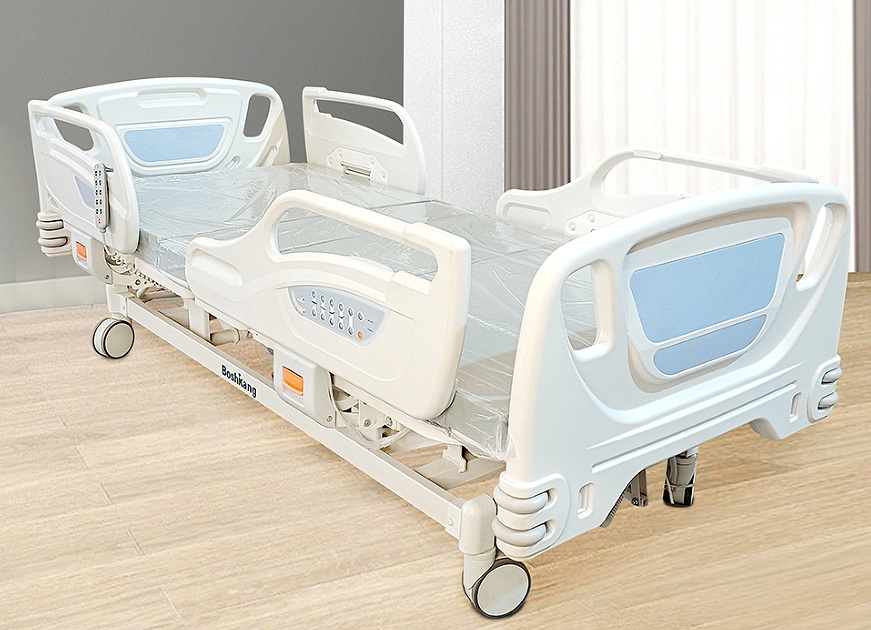
The MDMA application is submitted electronically by the AR. For a typical Class B active device (an electric hospital bed or LED surgical light), the technical documentation package includes:
- Device description, variants, and intended use statement
- Declaration of Conformity against the Essential Principles (MDS-REQ 1 Annex 1)
- ISO 13485 certificate and, where applicable, MDSAP certificate
- Reference-market approvals: CE certificate under MDR 2017/745, FDA 510(k), or equivalent — SFDA historically required approval from a GHTF founding member market, and current practice still leans heavily on CE/FDA evidence
- Test reports: IEC 60601-1 and the applicable particular standard (e.g., 60601-2-52 for beds, 60601-2-46 for operating tables, 60601-2-41 for surgical luminaires), EMC (60601-1-2), and biocompatibility (ISO 10993) for patient-contact surfaces
- Risk management file per ISO 14971
- Clinical evaluation report (can be literature-based for well-established technologies like hospital beds)
- Labels and IFU, including Arabic versions
- Free Sale Certificate from the country of manufacture, legalized for Saudi use
One practical note on testing: SFDA accepts test reports from accredited labs (ILAC signatory). You do not necessarily need to retest for Saudi if your IEC reports are current and cover the exact model numbers in the application — but the model list in the report, the DoC, and the application must match exactly. Mismatched model numbers are the single most common deficiency we see.
Step 4: Budget Realistically — MDMA Fees and Timelines
SFDA publishes its MDMA fee schedule openly. New application evaluation fees scale with risk class: roughly 15,000 SAR for Class A, 19,000 SAR for Class B, 21,000 SAR for Class C, and 23,000 SAR for Class D, with the official review window for standard applications running approximately 35–60 working days — before counting deficiency-response cycles. Renewal carries a reduced fee (around 5,000 SAR), and minor administrative updates run about 1,100 SAR. The MDMA is valid for three years in most cases.
| Application Type | Risk Class | SFDA Evaluation Fee (SAR) | Official Review Time |
|---|---|---|---|
| New MDMA | Class A | 15,000 | 35–60 working days |
| New MDMA | Class B | 19,000 | 35–60 working days (plus deficiency cycles) |
| New MDMA | Class C | 21,000 | 35–60 working days (plus deficiency cycles) |
| New MDMA | Class D | 23,000 | 35–60 working days (plus deficiency cycles) |
| Renewal | All | ~5,000 (reduced) | Shorter; file before expiry |
| Minor administrative change (labels, IFU updates) | All | ~1,100 | Administrative |
On top of SFDA fees, budget for the AR’s annual fee, document legalization and translation (Arabic), and — realistically — one to two deficiency cycles. In our experience, a well-prepared Class B application reaches approval in 4 to 7 months end to end; a poorly prepared one can drag past a year. Plan tender commitments against the pessimistic number.
Step 5: The Rest of the GCC — UAE, Kuwait, Qatar, Oman, Bahrain
There is no single “GCC registration.” Each state runs its own system, though all follow the same IMDRF-based logic and all accept CE/FDA evidence as the backbone of the file:
- UAE: registration through the Ministry of Health and Prevention (MOHAP). A local applicant/MAH submits; classification follows the same four-class model. The UAE is often the second filing after Saudi because many Gulf distributors are Dubai-based.
- Kuwait: Ministry of Health registration, largely document-based for Class A/B devices; typically handled by the Kuwaiti distributor.
- Qatar: Ministry of Public Health registration, required before tender participation (Hamad Medical Corporation tenders ask for it up front).
- Oman and Bahrain: smaller markets, distributor-led registrations, generally following the same technical file with local legalization.
A pragmatic sequence we recommend: Saudi first (biggest market, most rigorous file), UAE second (commercial hub), then Kuwait/Qatar in parallel once the master technical file exists. The incremental work per country drops sharply after the first approval because 80% of the dossier is reused.

Common Pitfalls That Delay Gulf Registrations
After supporting multiple GCC registrations for OR and ward equipment, these are the failure modes that actually cost time:
- Model number mismatches between test reports, DoC, and application — fix the document chain before filing.
- Certificates near expiry: an ISO 13485 or CE certificate with under 12 months of validity invites questions; renew first.
- Arabic labeling left to the end: translation review takes weeks; start it during the technical file build.
- Distributor-held MDMAs: as noted above, registration hostage situations are real. Structure AR agreements with exit clauses.
- Ignoring post-market duties: NCMDR adverse-event reporting is the AR’s job, but the manufacturer must feed it field data. Build the complaint-to-report pipeline before the first complaint, not after.
- Assuming CE equals automatic approval: Saudi accepts CE as reference evidence but runs its own review — it is not a rubber stamp.
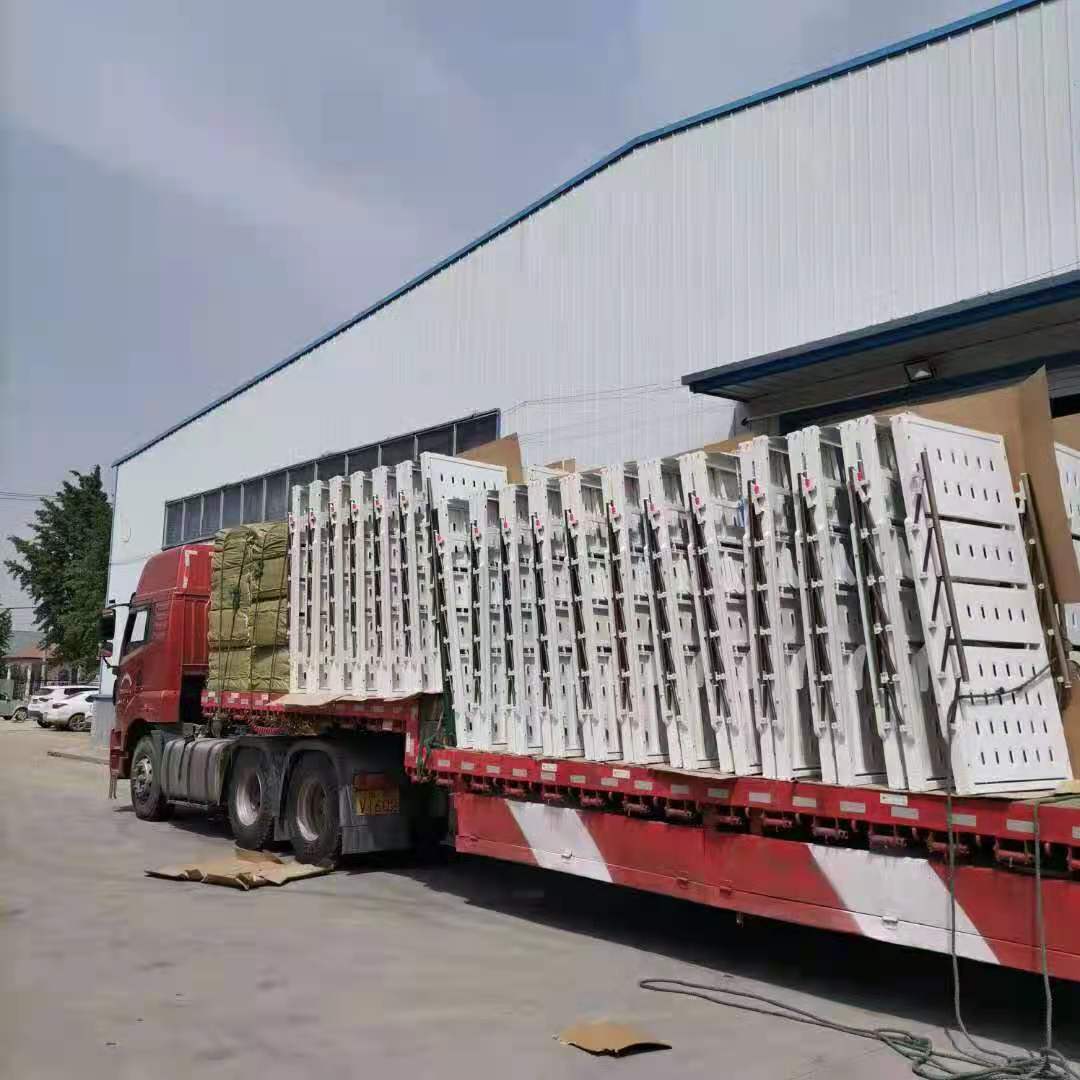
For equipment destined for full hospital projects rather than box sales, registration is only one workstream — site utilities, installation, and commissioning run in parallel. Our turnkey operating room program sequences regulatory, logistics, and installation so the MDMA is in hand before containers arrive at Jeddah or Dammam.

Conclusion
Middle East medical device registration rewards manufacturers who treat it as a project, not an afterthought. The Saudi SFDA pathway — MDS-REQ 1 conformity, correct A–D classification, a well-chosen Authorized Representative, a clean MDMA technical file, and realistic budgeting of 15,000–23,000 SAR in fees plus 4–7 months — is entirely manageable when the document chain is built correctly the first time. The manufacturers who lose Gulf tenders are almost never the ones with weak products; they are the ones whose registration was still “in progress” when the bid closed.
We build our hospital beds, operating tables, and LED surgical lights to IEC 60601 and ISO 13485 from the start, and we supply the full registration document package — test reports, DoC, Free Sale Certificates, Arabic labeling support — to our partners’ ARs. If you are planning a Saudi or GCC market entry, contact our export team and we will walk you through the exact document checklist for your product family.
Frequently Asked Questions
Do I need CE or FDA approval before applying for Saudi SFDA registration?
In practice, yes. SFDA relies on reference-market evidence — typically a CE certificate under EU MDR 2017/745 or an FDA clearance — as the backbone of the MDMA technical file for Class B and above. The SFDA review is still an independent assessment, but a recognized reference approval dramatically smooths the process.
Can my distributor in Saudi Arabia act as the Authorized Representative?
Yes, and many do. The trade-off is control: the MDMA is tied to the AR, so if the distribution agreement ends badly, transferring the authorization requires the outgoing AR’s cooperation. Using an independent regulatory AR keeps your registration portable across distributors.
How long does SFDA MDMA approval take for a hospital bed or operating table?
The official SFDA review window is roughly 35–60 working days for a new application, but that excludes deficiency-response cycles. A well-prepared Class B application typically reaches approval in 4 to 7 months from submission. Budget the pessimistic timeline when committing to tender delivery dates.
Is one registration valid across all GCC countries?
No. Each GCC state — Saudi Arabia, UAE, Kuwait, Qatar, Oman, Bahrain — runs its own registration. The technical dossier is largely reusable across all of them, so most manufacturers file Saudi first and then roll the same file out to the other markets at much lower incremental cost.
What language requirements apply to labels and IFUs?
Saudi Arabia requires Arabic labeling, and instructions for use intended for lay users must be in Arabic. Professional-use equipment generally needs Arabic on the package label at minimum. Start translation early — it routinely becomes a critical-path item if left until after submission.
You May Also Like...

EU MDR Transition Timeline: 2027-2028 Deadlines
The EU MDR transition has set a phased deadline that runs past 2027, which means...

UAE Medical Device Registration: MOHAP and DHA
The UAE operates a two-track system for medical device oversight: a federal track under the...

Tanzania TMDA Device Registration: Overview
Tanzania is one of East Africa’s most active medical device import markets, and its regulator...