
Ringkasan Eksekutif
Daftar periksa verifikasi terstruktur untuk importir UE: apa yang harus dimuat dalam dokumentasi teknis Annex II dan III MDR, kewajiban Pasal 13, tenggat waktu UDI/EUDAMED, dan bukti ISO 13485.
See also the CE marking step by step guide for related specifications.
For how the technical documentation transfers to the GB route, see our UKCA and UK MDR 2002 guide.
Every year, EU importers lose weeks of lead time because a shipment of medical devices arrives at customs without complete MDR technical documentation behind it. The manufacturer shipped the goods, the CE mark is on the label, and yet the importer cannot confirm that the conformity assessment file actually exists in the form Regulation (EU) 2017/745 demands. The result: goods held at the border, hospital procurement deadlines missed, and a regulatory non-conformity that follows the importer’s name in EUDAMED.
If you import medical devices from China, India, or any non-EU country into the European market, you carry a legal duty that goes well beyond checking a CE sticker. Under Article 13 of the MDR, you must verify that the manufacturer has drawn up the full technical documentation, that an EU Declaration of Conformity exists, that UDI assignment is correct, and that the device is registered where required. You are not merely a logistics intermediary. You are an economic operator with direct liability.
In our factory, we prepare MDR technical documentation packages for every OEM and ODM project before the first container leaves Shandong. We have seen what happens when importers skip verification: a German distributor once held a 40-foot container of operating tables at Hamburg port for eleven weeks because the manufacturer could not produce the Annex II risk management file on demand. This guide gives you a structured, auditable checklist so that never happens to you.

What MDR Technical Documentation Actually Contains
Article 10(4) of Regulation (EU) 2017/745 requires every manufacturer, with the sole exception of custom-made device makers, to draw up technical documentation as specified in Annexes II and III. This is not a single PDF. It is a structured dossier with distinct sections, each serving a different regulatory purpose. The Notified Body reviews this dossier during conformity assessment, and the importer must be able to confirm its existence and accessibility.
Annex II lays out the core technical documentation in six main sections. Section 1 covers the device description and specification, including intended purpose, classification rule applied under Annex VIII, and a description of all variants and accessories. Section 2 addresses design and manufacturing information, identifying all sites including suppliers and subcontractors where design and manufacturing activities are performed. Section 3 documents compliance with the General Safety and Performance Requirements, the 23 numbered requirements in Annex I spanning three chapters: general requirements, requirements regarding design and manufacture, and requirements regarding information supplied with the device. Section 4 presents the benefit-risk analysis and risk management documentation, typically structured per ISO 14971. Section 5 covers product verification and validation, including bench testing, biocompatibility per ISO 10993, software validation, electrical safety per IEC 60601-1, and clinical evaluation per Article 61 and Annex XIV. Section 6 addresses labelling and Instructions for Use compliance with Annex I Chapter III, specifically GSPR 23.
The classification rule cited in the technical file is the starting point: see our EU MDR classification guide.
Annex III then adds the post-market surveillance technical documentation: the PMS plan, PMCF plan, PSUR for Class IIa and above, and the trend reporting methodology. Together, Annexes II and III form the complete evidence dossier that demonstrates a device meets the MDR. The Team-NB Best Practice Guidance document, updated in April 2025, provides the most detailed harmonised expectations for how Notified Bodies assess this documentation during conformity assessment submissions.
Here is what catches importers off guard: Annex II Section 6.1(b) explicitly states that where no new testing has been undertaken, the documentation shall incorporate a rationale for that decision. If your manufacturer simply carried over test data from a legacy MDD certificate without documenting why re-testing was unnecessary, that file will fail a Notified Body audit and your CE certificate is at risk.
The Importer’s Legal Duty Under Article 13
The MDR introduced the formal concept of economic operators and dramatically expanded obligations for every entity in the supply chain. Under the old Medical Device Directive 93/42/EEC, importers and distributors had minimal defined responsibilities. The MDR changed that fundamentally. Article 13 now defines ten specific, mandatory obligations for importers. These are not optional best practices. They carry direct liability for non-compliance, and national competent authorities can impose market restrictions, fines, and product withdrawals when importers fail.
Before placing a device on the EU market, the importer must verify that: the manufacturer has carried out the appropriate conformity assessment procedure; the manufacturer has drawn up the technical documentation; the device bears the CE marking; the device is accompanied by the required information including IFU and labels in the correct EU languages; the manufacturer has assigned a UDI; an EU Authorised Representative has been appointed per Article 11; and the device is registered in EUDAMED where required. Article 13(3) further requires the importer to apply their own name, registered trade name or trademark, and address to the device or its packaging or a document accompanying the device. Article 13(5) obliges the importer to ensure that storage and transport conditions do not jeopardise compliance with the general safety and performance requirements of Annex I.
The distinction between importer and distributor matters enormously for your compliance workload. If your EU customer buys devices directly from a non-EU manufacturer, that customer becomes the importer under Article 13. Any subsequent company in the distribution chain then fulfils distributor obligations under Article 14 of the MDR, which permits documentary checks through a sampling method representative of the devices supplied. The importer does not enjoy that sampling concession. Every device model, every shipment, must be verified individually. The MDCG 2021-27 Rev. 1 guidance, published in December 2023, confirms that even community pharmacies and individual retailers can fall within the distributor definition if they make devices available on the market.
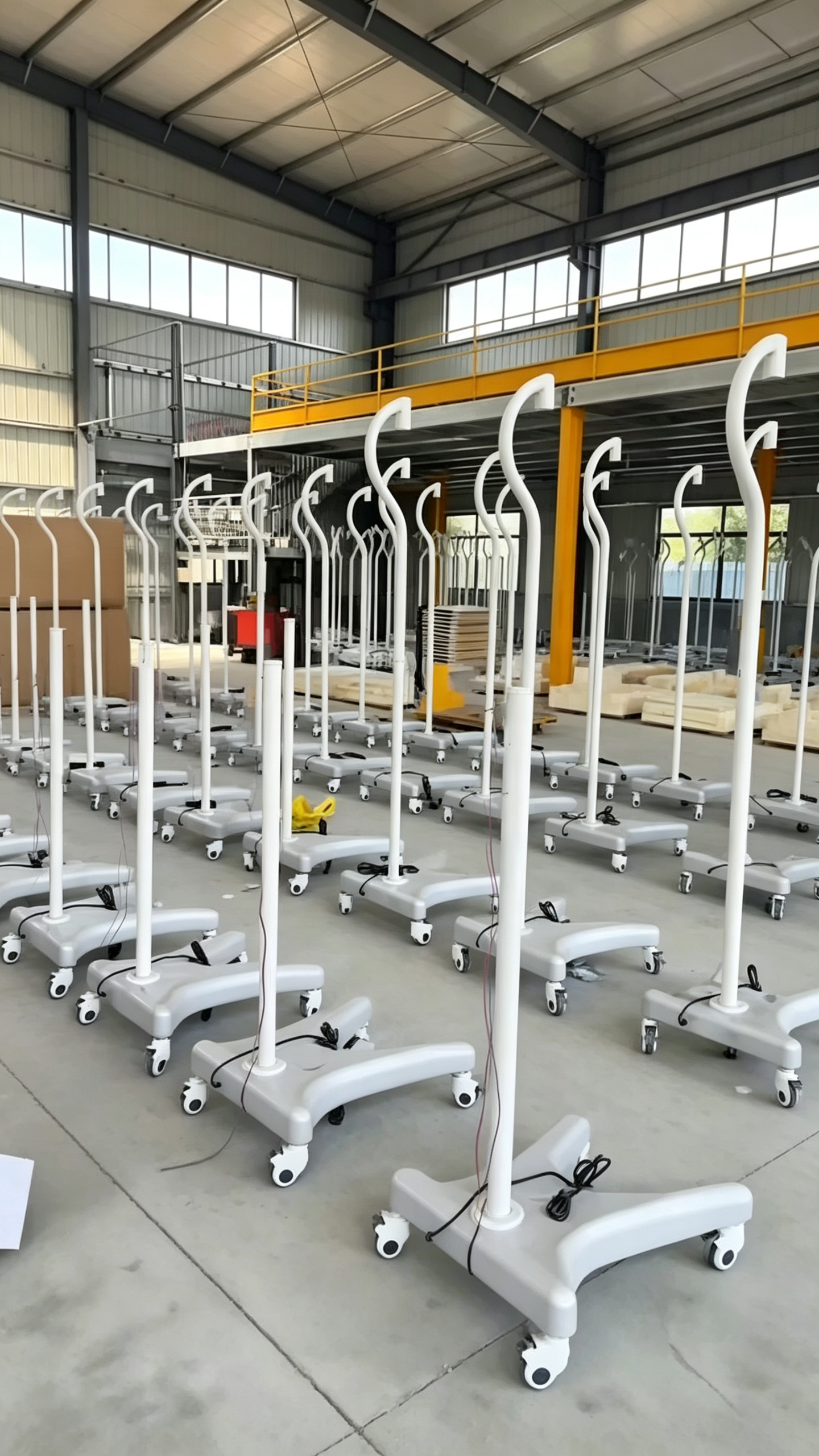
MDR Technical Documentation Verification Checklist for Importers
The table below maps each Annex II section to the specific verification action an importer should perform. Use it as an audit template when onboarding a new supplier or reviewing an existing manufacturer’s compliance file. We maintain this exact checklist for every distribution partner who sources from our facility, and we recommend you adapt it into your own supplier quality agreement.
| Annex II Section | Documentation Element | Importer Verification Action |
|---|---|---|
| 1 – Device Description | Intended purpose, classification rule, variants, accessories | Confirm classification rule matches device; verify all SKUs in your catalogue are covered |
| 2 – Design and Manufacturing | Manufacturing process, supplier list, site identification | Verify all subcontractors are listed; confirm ISO 13485 scope covers actual production sites |
| 3 – GSPR Compliance | Annex I checklist with 23 requirements, harmonised standards cited | Check that every applicable GSPR has objective evidence; confirm standards are current OJEU-listed versions |
| 4 – Risk Management | ISO 14971 risk management file, benefit-risk analysis | Verify residual risks are acceptable; confirm risk file is updated with post-market data |
| 5 – Product Verification | Test reports, biocompatibility, software validation, clinical evaluation | Confirm test reports reference correct device model; check clinical evaluation per Article 61 exists |
| 6 – Labelling and IFU | Labels, IFU in required EU languages, GSPR 23 compliance | Verify IFU language covers your target markets; confirm UDI-DI on label matches EUDAMED entry |
| Annex III – PMS | PMS plan, PMCF plan, PSUR (Class IIa+) | Confirm PMS plan assigns responsibilities; verify PSUR submission schedule is active |
| Cross-cutting | EU Declaration of Conformity, CE certificate, Authorised Rep mandate | Verify DoC references current MDR (not MDD); confirm NB certificate is valid and unexpired |
Each row in this table represents a potential point of failure. In practice, the most common gaps we see from Chinese manufacturers are incomplete GSPR cross-reference tables, outdated harmonised standard citations that reference superseded editions, and missing Annex III post-market surveillance plans. A manufacturer who certified under the MDD transition pathway may hold a valid CE certificate but still lack a fully MDR-compliant Annex III file. The Team-NB position paper emphasises that manufacturers must continue to provide full technical documentation in line with both Annex II and Annex III regardless of which conformity assessment route was used.
UDI, EUDAMED, and the May 2026 Mandatory Deadline
Unique Device Identification is no longer a future obligation. Under MDR Article 27 and Annex VI, manufacturers must assign a UDI-DI and UDI-PI to every device before it is placed on the market. The importer’s duty under Article 13 includes verifying that UDI assignment has occurred and that the device data is registered in EUDAMED. This is where the regulatory landscape shifted dramatically in late 2025, and importers who have not updated their procedures are now exposed.
On 27 November 2025, the European Commission published Commission Decision (EU) 2025/2371 in the Official Journal of the European Union, formally confirming that four EUDAMED modules are fully functional: Actor registration, UDI/Device registration, Notified Bodies and Certificates, and Market Surveillance. This triggered the Article 123(3) MDR transitional provisions. From 28 May 2026, use of these modules becomes mandatory. New devices placed on the EU market from that date must be registered in the UDI/Device module before first placement. If the device is not registered in EUDAMED, it should not be placed on the market. The legacy device registration deadline is 28 November 2026, twelve months from the OJEU publication date.
For importers, this means your verification checklist now includes a live database check. You must confirm that the manufacturer has registered as an actor in EUDAMED per Article 31, that the device UDI-DI data is uploaded and validated, and that the data in EUDAMED matches the physical label on the device. All EUDAMED data must align with technical documentation, labelling, Instructions for Use, and certificates issued by the Notified Body. Any mismatch is a non-conformity waiting to surface during a market surveillance inspection. If you import devices that were originally certified under the MDD, confirm their EUDAMED-DI creation is underway well before the November 2026 deadline.
We tell every distribution partner: do not accept a manufacturer’s word that EUDAMED registration is “in progress.” After 28 May 2026, a device without a confirmed EUDAMED entry is a device you cannot legally place on the EU market. Build the database check into your incoming goods procedure, not just your supplier qualification audit.

How ISO 13485 and the CE Declaration of Conformity Fit In
ISO 13485:2016 certification is not legally mandatory under the MDR. However, it is the most widely accepted way to demonstrate compliance with the quality management system requirement in Article 10(9). For an importer, a valid ISO 13485 certificate from an accredited certification body is strong evidence that the manufacturer maintains design controls, document management, and traceability systems capable of producing and maintaining Annex II documentation over the device lifecycle.
The EU Declaration of Conformity is the manufacturer’s formal legal statement that the device meets all applicable MDR requirements. It must reference Regulation (EU) 2017/745 specifically, cite the applicable conformity assessment annex (Annex IX for most Class IIa and above devices, Annex X for type-examination routes), identify the Notified Body where involved, and list the harmonised standards applied. As an importer, you must hold a copy of the DoC and verify that it has not been superseded. A DoC that still references Directive 93/42/EEC is invalid for MDR purposes and signals that the manufacturer’s transition is incomplete.
The relationship between these documents matters for your test report verification process. The ISO 13485 QMS generates the records that populate the Annex II technical file: design verification reports, process validation protocols, supplier audit records, and CAPA logs. When you audit a manufacturer’s QMS certificate, you are indirectly auditing their ability to maintain the technical documentation you depend on. If the certificate scope does not cover the device category you are importing, the documentation chain is broken and your Article 13 verification cannot be satisfied.
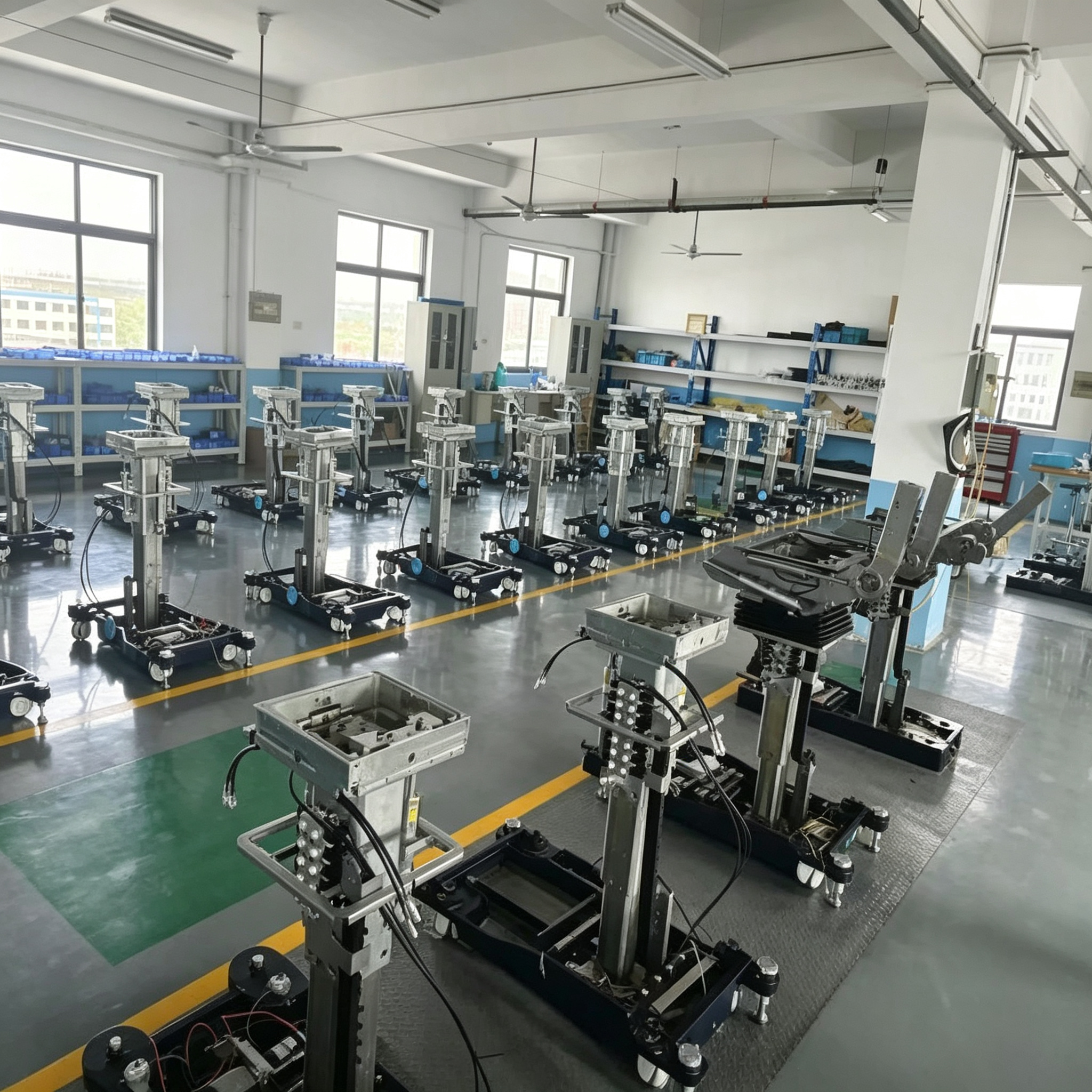
Building a Supplier Documentation Protocol That Holds Up
Verification is not a one-time event at supplier onboarding. The MDR expects economic operators to maintain ongoing vigilance throughout the commercial relationship. Article 13(7) requires importers who consider or have reason to believe a device is not in conformity to immediately take corrective action and inform the manufacturer, the Authorised Representative, and the competent authority of the member state where the device was made available. You cannot fulfil that obligation if you have not maintained access to the technical documentation and established clear communication channels with the manufacturer’s regulatory affairs team.
In practice, we structure our OEM partnerships around three documentation touchpoints. First, at project initiation, the manufacturer provides the full Annex II and III file structure with a gap analysis against the target device classification. This allows the importer to identify missing elements before any production commitment is made. Second, before first shipment, the importer receives a documentation package including the DoC, CE certificate, UDI assignment confirmation, EUDAMED registration evidence, and IFU in all required languages. Third, on an annual basis, the manufacturer provides evidence of PMS activities, PSUR updates, any design changes that trigger technical documentation revision, and confirmation that harmonised standard citations remain current.
For importers working with manufacturers who offer Layanan lokalisasi OEM dan ODM, the documentation protocol becomes even more critical. Custom branding, private-label packaging, and market-specific IFU translations all create new documentation obligations. The importer must verify that every localized variant is covered by the technical file and that the UDI-DI reflects the actual label configuration reaching the end user. Article 16 of the MDR further clarifies that importers or distributors who re-label or repackage a device assume additional manufacturer-like obligations for those activities, including maintaining documentation of the relabelling process.

Kesimpulan
MDR technical documentation is not a bureaucratic hurdle. It is the legal evidence that a medical device is safe, effective, and compliant with EU law. As an importer, your obligation under Article 13 is to verify that this evidence exists, is current, and is accessible. The cost of skipping that verification, measured in held shipments, regulatory non-conformities, and lost hospital contracts, far exceeds the cost of a structured documentation audit at the start of every supplier relationship.
Key Takeaways:
- MDR Annex II contains six core sections and Annex III adds post-market surveillance documentation; together they form the complete technical file an importer must confirm exists and is maintained.
- Article 13 imposes ten mandatory verification obligations on importers, including CE marking, DoC validity, UDI assignment, and EUDAMED registration, with no sampling concession permitted.
- From 28 May 2026, EUDAMED registration is mandatory; a device without a confirmed database entry cannot legally be placed on the EU market, and legacy devices must be registered by 28 November 2026.
- ISO 13485 certification and a current EU Declaration of Conformity referencing MDR 2017/745 are your strongest indirect evidence that the manufacturer can maintain compliant technical documentation throughout the device lifecycle.
If you are evaluating a Chinese manufacturing partner for hospital equipment and need assurance that MDR documentation will be complete before your first container ships, our team at Sanyang Medical prepares full Annex II and III packages as standard for every OEM project. Explore our OEM/ODM localization services to see how we structure documentation for EU importers.
Pertanyaan yang Sering Diajukan
Dapatkah importir meminta dokumentasi teknis lengkap dari pabrikan?
Ya. Pasal 13(1) mengharuskan importir untuk memverifikasi bahwa produsen telah menyusun dokumentasi teknis. Meskipun importir tidak perlu menyimpan seluruh berkas, mereka harus dapat memastikan keberadaannya dan meminta akses selama audit atau inspeksi otoritas yang berwenang.
Apa yang terjadi jika registrasi EUDAMED tidak ada setelah Mei 2026?
Perangkat tanpa registrasi EUDAMED yang terkonfirmasi tidak dapat secara sah ditempatkan di pasar UE mulai 28 Mei 2026. Importir yang tetap menempatkannya menanggung tanggung jawab langsung berdasarkan Pasal 13 dan dapat menghadapi tindakan pengawasan pasar.
Apakah distributor memiliki kewajiban dokumentasi yang sama dengan importir?
Tidak. Pasal 14 mengizinkan distributor untuk menggunakan metode pengambilan sampel untuk pemeriksaan dokumenter.
Apakah sertifikat CE yang diterbitkan berdasarkan MDD lama masih berlaku?
Sertifikat MDD warisan tetap berlaku hanya dalam jangka waktu transisi Peraturan (UE) 2024/1860. Dokumentasi teknis di baliknya tetap harus memenuhi persyaratan Lampiran II dan III MDR untuk akses pasar yang berkelanjutan.
How often should an importer re-verify supplier documentation?
At minimum annually, and immediately upon any design change, new variant introduction, or Notified Body certificate renewal. Ongoing vigilance is expected under Article 13(7).
Bacaan terkait: Sertifikat penjualan bebas dan apostille.
Bacaan terkait: UDI and Traceability for OR Equipment
Anda Mungkin Juga Menyukai...

Cybersecurity for Connected OR Equipment: What Importers Should Ask
An operating room used to be a set of mechanical systems with a power cable....

ISO 10993 Biocompatibility: Patient-Contact Materials
Patient-contact materials are where medical device compliance gets material-science serious: the foam in an operating...

UDI and Traceability for OR Equipment: Labelling Requirements Importers Meet
Unique Device Identification turned the device label into a data carrier. What used to be...