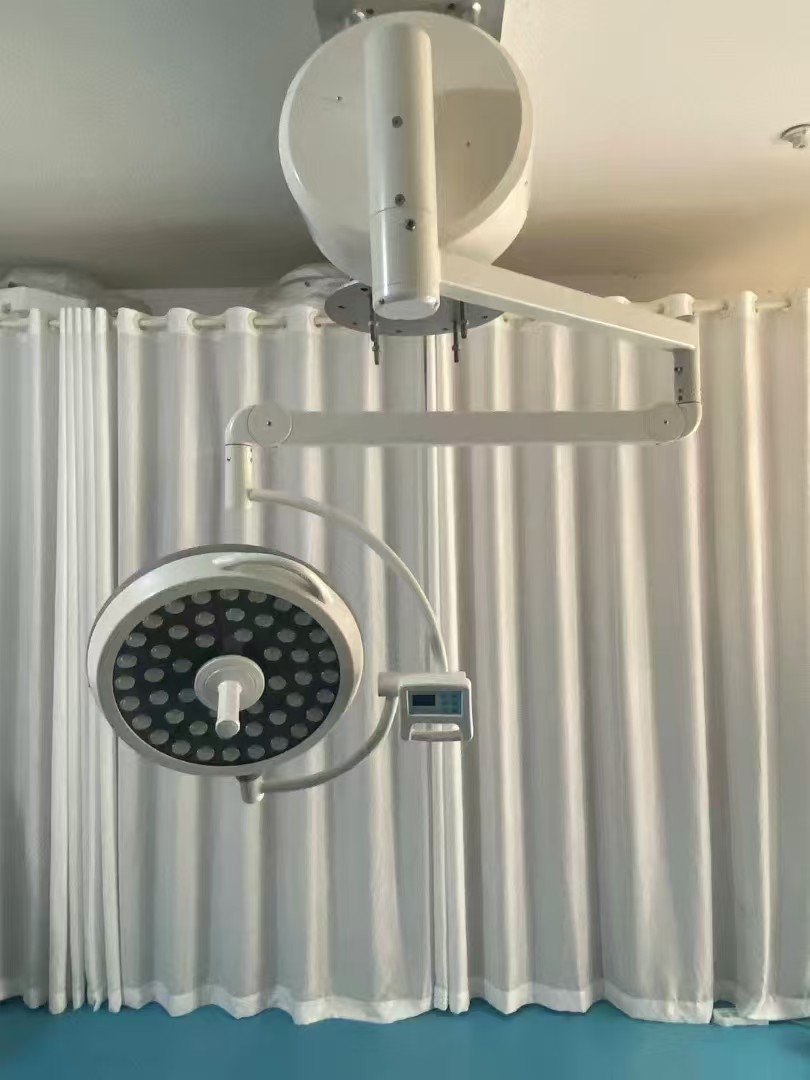

Ask for proof of the label and the manual on a unit, not for a promise that they will be added. Three records do the work: a photograph of the device label as it is applied on a unit from this lot, taken square to the label and close enough to read every field, with the model and serial stamping in the same frame; a photograph of the manual that goes into the crate, open to the page that carries the model and the version, with the crate’s device serial noted in the message; and a photograph of the open crate before it closes, showing the manual, the packing list and the other documents together. Translated labels printed later, after the crate has left, are how a hospital biomedical team ends up refusing a delivery.
Separate the device label from the crate label
Two different labels travel with every machine, and they fail separately. The device label is fixed to the unit and carries what the hospital’s technical file needs: who made it, the model, the serial, and the ratings that the electrician checks before the unit is connected. The crate label is a shipping mark: it identifies the box, the model inside and the destination. A factory that translates the crate and leaves the device label in Chinese has done half the job, and the half it skipped is the half the biomedical team reads.
So write both into the order, item by item, and ask for both to be photographed on the same unit. The device label photograph should show its position on the unit as well as its content, because a label on the underside of a base or behind a panel is a label nobody will find during an inspection. If the market requires a unique device identifier on the label, say so in the order and ask for the field to be visible in the photograph; that requirement is part of the labeling framework set out in 21 CFR Part 801, and it is better discussed before the labels are printed than after the crates are sealed.

The manual is a versioned document too
A manual in the right language but for the wrong model blocks a sign-off just as effectively as a manual in the wrong language. Ask for the cover and the model page to be photographed, with the revision of the document visible, and for the same revision number to appear on the packing list for that crate. On a multi-model order, the manual is the item most likely to be swapped between piles on the last afternoon, and the photograph taken as the crate closes is the only thing that catches it.
Ask for the file as well as the paper. A PDF of the correct revision sent on the day the crate closes lets the hospital start its paperwork while the ship is still loading, and it means a missing paper copy becomes a reprint rather than a delay. The file also gives your own team something to check the printed copy against when it arrives, which is a ten minute job at goods-in instead of a discovery in the operating theatre.
What else has to travel in the crate
Ask what documents the order is meant to include and then photograph them together before the crate closes: the manual, the packing list that matches the crate’s contents, the test or inspection documents for the unit, and whatever the destination market asks for at the border. Different markets ask for different papers, and the country of destination should decide the list rather than the factory’s default. Write the list into the order once, and it becomes a checklist for every shipment after it.
Then have the crate label list what is inside, so a missing manual is visible before the crate is opened. A label that says only the model means the paperwork is discovered last, after the unit is on a trolley in a corridor waiting for its sign-off. The same discipline applies to the set of export documents that travel separately from the crate, which the site describes in the document chain for medical equipment exports: the papers are part of the delivery, and they need an owner and a deadline rather than a folder.
The language decision belongs in the order
Which language a label and a manual must be in is decided by the market, not by the factory’s printer. The United States expects English, and in the European Union the required language is the one set by the country where the device is placed on the market, which is why a single English manual is not automatically correct for every destination. Write the requirement per destination into the order, and ask the factory to confirm, in writing, which language set this order was printed for before the labels go on the line.
The trap here is economical rather than malicious. Printing one language for the whole run saves a setup, and a factory that ships to several markets will be tempted to print the most common one and treat the rest as an afterthought. The result is a container that is right for one customer and wrong for the next, with the difference discovered at the hospital rather than at the printer. Naming the language per destination in the order removes the temptation, and it gives you a document to check the shipment against at goods-in.
What a biomedical team actually checks
It is worth writing the sign-off criteria in the order in the words the hospital uses, because it changes what the factory photographs. A biomedical engineer looks for the manufacturer’s identity and contact, the model and serial, the electrical ratings, the safety markings, and a manual that matches the unit in front of them. If the team’s checklist is in the order, the factory knows that a legible label with the right fields is part of the product rather than packaging. If it is not in the order, the label is whatever the printer had on file.
The check that catches peeling is simple: photograph the label after wiping the surface the way the ward will when the machine is cleaned. A label that lifts at a corner under a wipe is a label that will be illegible within a year, and a machine with an illegible label fails its next inspection for a reason that has nothing to do with its condition. This is the same logic as the commissioning steps the site sets out in the crate-to-first-surgery checklist: the label, the manual and the paperwork are checked before the unit is used, and any gap in them stops the room from opening on time.
What to do with what already arrived
Do not let the crates sit. Ask for the correct manual as a PDF immediately, so the hospital can start its paperwork, and mark the units that lack their printed manual so nobody signs them off by mistake. If the market allows an importer or distributor label to be applied over the manufacturer’s label, that is a legitimate route for the units already delivered, and it should be confirmed by whoever handles your regulatory work rather than decided on the loading dock. Everything else, including a label in the wrong language on a device that has already been installed, is a factory correction with a photograph attached.
For the units that are still in the factory, ask for the new label to be photographed on one unit and the manual photographed in the crate before the shipment leaves. Once that pair of photographs exists, the rest of the lot can be checked at goods-in against it in minutes. Keep the photographs with the crate numbers, and keep one old label and one old manual aside as the record of what was actually delivered.
Write the hold the same day
Send one message to the person who controls packing. Name the order and the model. Say the delivered crates carried Chinese-only labels and no manual in the market’s language, and state the hold in one sentence: no further crates packed until the label and document records exist. Name them. First, the device label on a unit from this lot, photographed square and legible, with the position on the unit visible and the serial stamping in frame. Second, the manual open to the model and version page, with the revision number repeated on the packing list. Third, the open crate photographed before it closes, showing the manual, the packing list and the other documents together, with the crate label listing what is inside.
A release is your note that the label and manual for the units that remain are the corrected versions, that the revision on the packing list matches the manual in the crate, and that the label survives a wipe. A promise to send labels later, a PDF without a printed copy, and a manual for a similar model do not release the hold.
Keep the label photographs, the manual page and the crate photograph in the order folder with the serial numbers. This is the cheapest part of a medical equipment order to get right, and it is the part that decides whether the room opens on the day the hospital planned.
Vous pourriez aussi aimer...

Cybersecurity for Connected OR Equipment: What Importers Should Ask
An operating room used to be a set of mechanical systems with a power cable....

ISO 10993 Biocompatibility: Patient-Contact Materials
Patient-contact materials are where medical device compliance gets material-science serious: the foam in an operating...

UDI and Traceability for OR Equipment: Labelling Requirements Importers Meet
Unique Device Identification turned the device label into a data carrier. What used to be...