
Patient-contact materials are where medical device compliance gets material-science serious: the foam in an operating table pad, the upholstery on a hospital bed, the gel positioner under an anesthetized patient all touch skin for hours, and ISO 10993 is the standard family that decides whether they may. Buyers who specify against ISO 10993 early avoid the late-stage surprise of a finished device that cannot prove biocompatibility. This guide explains the evaluation logic and what to demand from suppliers.
What ISO 10993 Actually Evaluates
ISO 10993 is a family of standards for the biological evaluation of medical devices, and its logic is category-based rather than one-size. The evaluation starts with categorizing each patient-contact material by contact type (surface, externally communicating, or implant), contact duration (limited, prolonged, permanent), and the tissue contacted. That categorization drives which endpoints apply: cytotoxicity as the universal baseline, then sensitization and irritation for surface contact, and systemic, hemocompatibility or implantation endpoints as contact deepens and lengthens. An operating table pad and a blood-contacting tubing set sit at opposite ends of this spectrum, which is why buyers should be suspicious of a single blanket “ISO 10993 tested” claim without the endpoint list. The standards family is indexed through recognized catalogs such as the BSI knowledge base, where each part of the 10993 series maps to its endpoints.
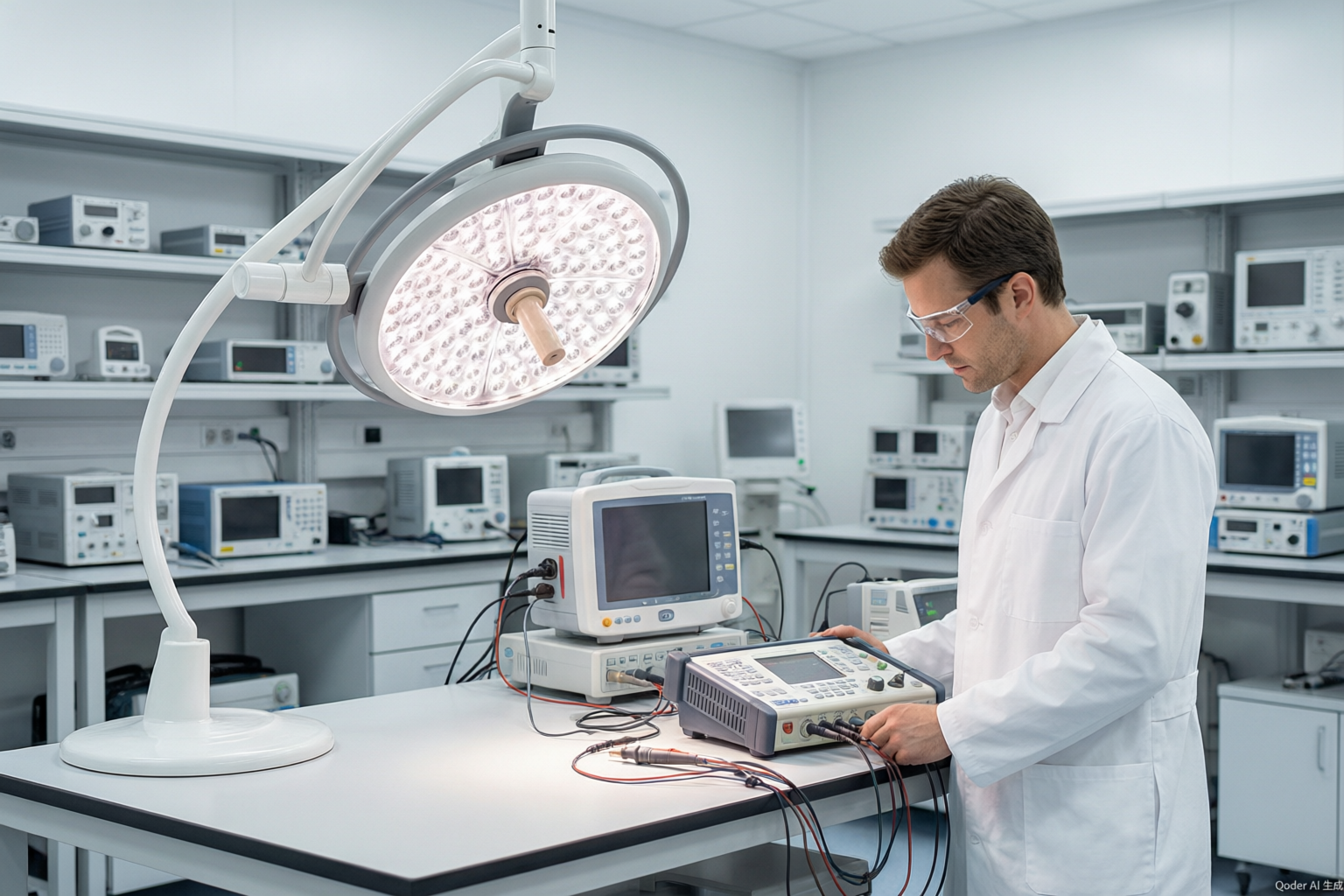
The Evidence Chain: From Material to Device
Biocompatibility evidence travels a chain. Raw material data sheets and any existing biological evaluations for the polymer or fabric. Processing evidence, since additives, colorants and sterilization residues change the biological profile of an otherwise benign material. And finished-device testing or a justified evaluation report that carries material data through the device’s actual configuration and sterilization. Buyers evaluating suppliers should ask for the chain, not the certificate: an ISO 10993 report on the fabric is weaker than an evaluation covering the finished pad with its adhesives and cleaning residues. Our inspection and testing regime pairs this with the electrical safety family in the IEC 60601 overview, since table and bed programs need both files. OEM buyers can see how compliance evidence is built into programs on the OEM and localization page.
What to Put in the RFQ
Three lines move biocompatibility from hope to evidence. Contact categorization: name which parts of the device contact skin, for how long, and under what sterilization or cleaning regime. Endpoint requirements: cytotoxicity, sensitization and irritation as the surface-contact baseline, with the destination regulator’s additions named. And evidence format: test reports from accredited laboratories or a documented evaluation report per ISO 10993-1’s framework, tied to the production materials, with change-control language so a foam substitution reopens the evaluation. Regimes from Africa to the EU reference these files in registration, and our Middle East registration guide shows how the same evidence serves multiple markets.
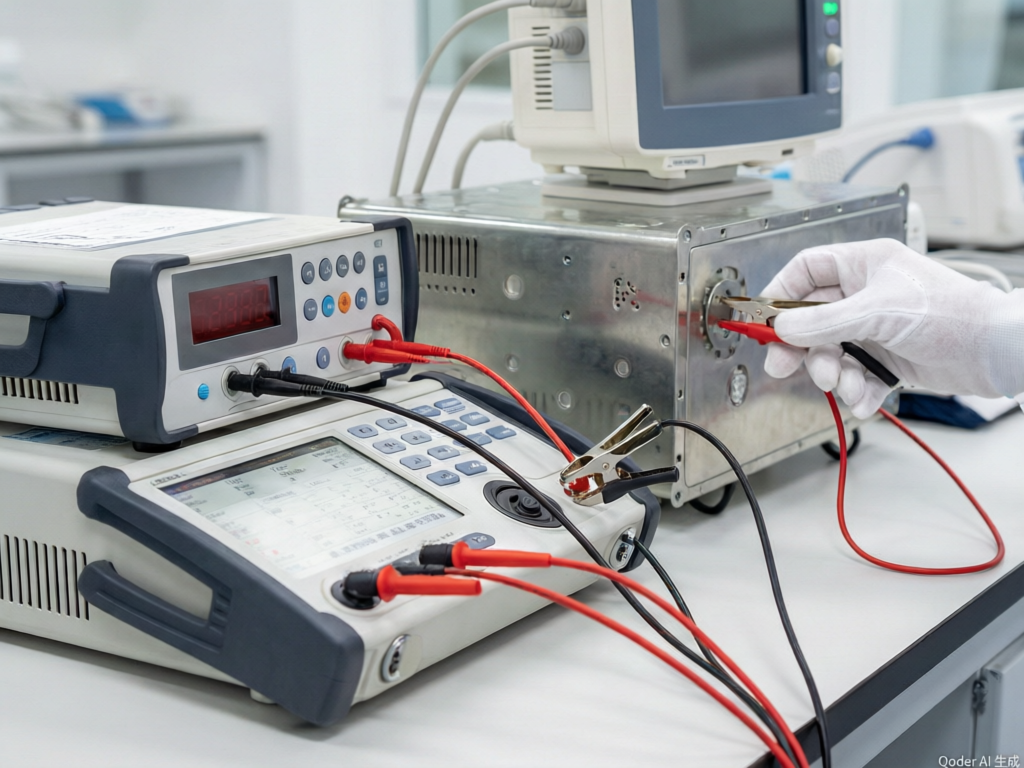
How Sanyang Runs Patient-Contact Programs
Sanyang Medical manufactures operating tables, hospital beds and pendants under ISO 13485, and patient-contact materials on our lines carry material data sheets with biological evaluations tied to the specified foams, fabrics and gels. When a buyer’s market adds endpoints, the evaluation is updated against the same production materials rather than re-tested from zero. Send your contact categories and destination market to sanyang10086@gmail.com or WhatsApp +86 195 0862 5836, and the biocompatibility evidence pack comes back with the quotation, not after it.
Vous pourriez aussi aimer...

Medical Device Labelling for Export: UDI, Language and Symbol Requirements
A medical equipment label is a regulated document. It carries the manufacturer’s identity, the device...

Cybersecurity for Connected OR Equipment: What Importers Should Ask
An operating room used to be a set of mechanical systems with a power cable....

UDI and Traceability for OR Equipment: Labelling Requirements Importers Meet
Unique Device Identification turned the device label into a data carrier. What used to be...