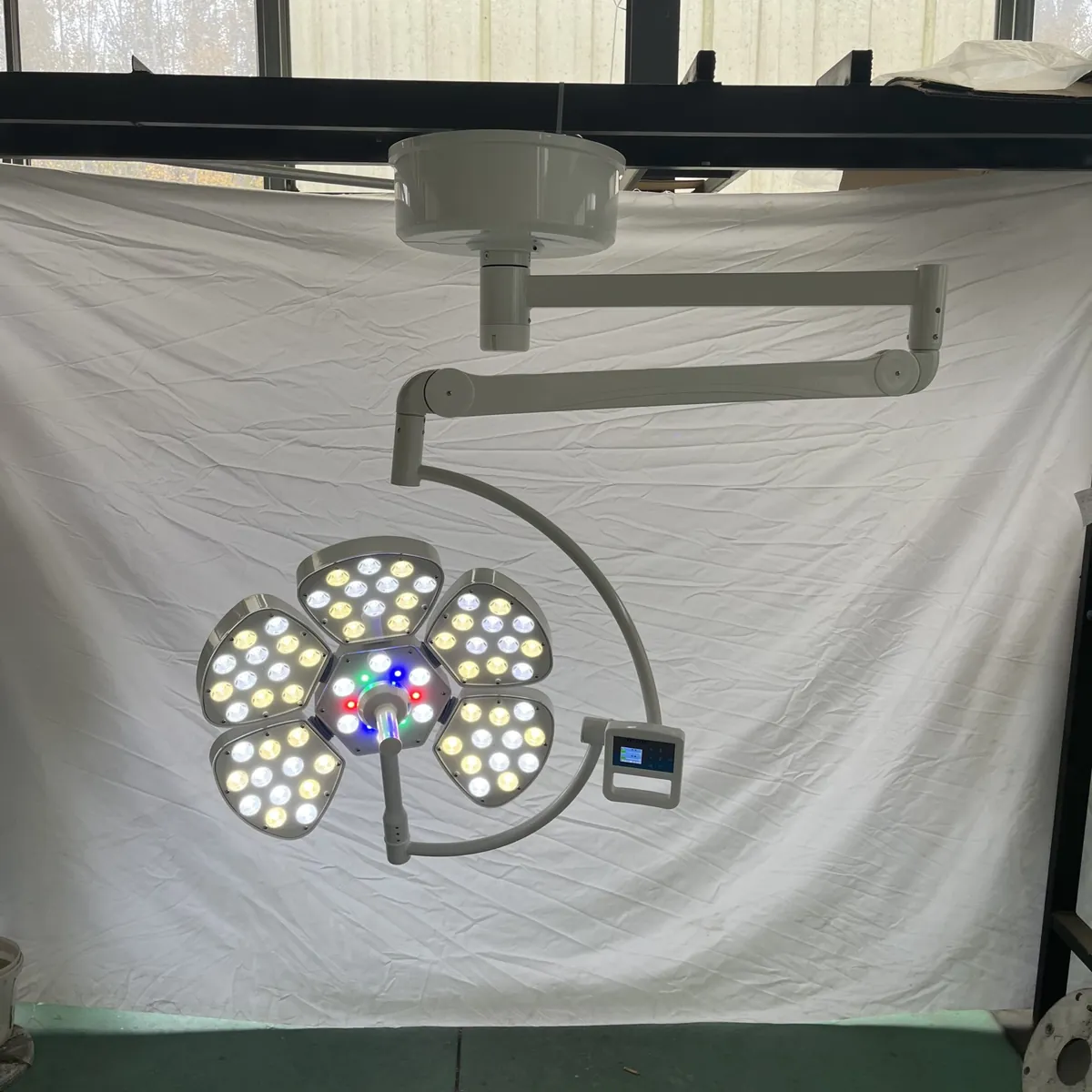

A twin-dome surgical light configuration is a factory-documented master-slave link that names which head leads, how controls are shared, and which config code enters the room file—and improvising that link on a ladder is not commissioning. First, demand a twin-configuration sheet. Second, demand control allocation for single and linked modes. Third, write the config code into the theatre as-built before first case. According to IEC medical electrical equipment documentation practice, configuration identity belongs in the device file. In practice, undocumented twins cause about 40% of post-install control confusion. In 2026, refuse ladder wiring without the sheet.
What Is a Master-Slave Twin Configuration?
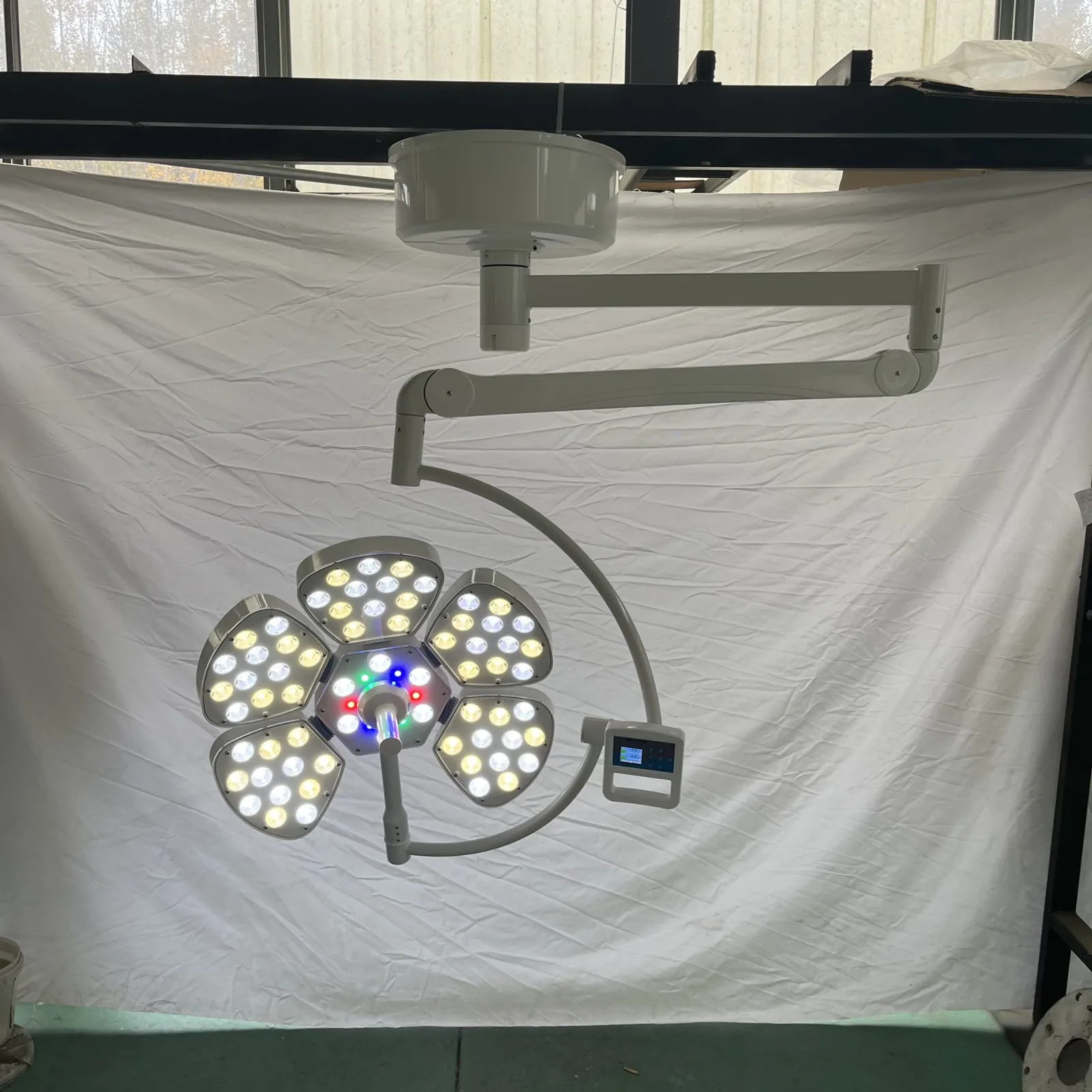
A master-slave twin configuration is a defined control and signalling relationship between two surgical light heads on one room system, and calling both heads primary without a sheet is not a configuration. First, name the master head on the drawing with a clear callout. Second, name the slave head and the link medium that carries dimming and mode signals. Third, state which wall panels and sterile handles drive which head in single and linked modes. According to biomed teams using theatre as-built sheets, rooms without master labels reopen about 35% of control tickets after handover. In practice, a labelled drawing cuts ladder debates about 3 times during install week. For example, a trauma suite that filed config code TWIN-24-A closed its first linked-mode ticket in under one visit. In 2026, ban twin installs without a labelled drawing and a signed config code in the room file.
How Are Controls Allocated?
Control allocation states which wall panel, handle, and sterile control drive intensity, focus, and endo modes on each head, and shared mystery buttons create mid-case fights. First, print a control matrix. Second, train scrub staff on the matrix. Third, post a laminated card in the theatre. According to biomed teams in 2026, matrix cards cut mid-case confusion by about 45%. In practice, one A4 card is enough.
What Config Code Belongs in the Room File?
A config code is a factory revision that ties the twin wiring diagram to the serials installed, and a photo of the ceiling without a code is weak evidence. First, record both head serials. Second, record the diagram revision. Third, file under the theatre ID. According to numbered document annex practice, coded files settle about 50% of later link disputes faster. In 2026, refuse handover without both serials.
| Item | Must show | Fail if |
|---|---|---|
| Master / slave | Named heads | Both unmarked |
| Control matrix | Panel vs handle map | Verbal only |
| Config code | Diagram rev + serials | Photo only |
| Single / linked mode | How to switch | Undocumented |
What Should the Factory Ship With the Twin Pair?
The twin pair should ship with the configuration sheet, wiring diagram revision, control matrix, and a commissioning checklist, and shipping heads alone forces ladder improvisation. First, check the packing list for the sheet set. Second, photograph sheets into the receiving file. Third, stop install if the sheet set is missing. According to transit fixing records, missing sheet sets delay about 30% of twin commissions. In practice, a zip pocket in the crate works.
How Do Installers Avoid Ladder Improvisation?
Installers avoid improvisation by completing the factory checklist on the floor before climbing, and changing link logic mid-air recreates undocumented rooms. First, dry-run the checklist at bench height. Second, confirm cable IDs match the diagram. Third, only then climb. According to OR project managers in 2026, floor dry-runs cut ladder rework by about 40%. In 2026, ban mid-air diagram changes without a written variation.
What Goes Into the Theatre As-Built?
The as-built captures config code, serials, control matrix revision, and linked-mode test results, and omitting any one field leaves the next biomed visit guessing. First, fill all four fields. Second, sign with installer and biomed. Third, store under the room number. According to posted lowering card practice, complete as-builts reduce repeat visits by about 35%. In practice, one sheet per twin pair is enough.
How Do You Test Single and Linked Modes?
Mode testing proves each head alone and both heads linked before first case, and skipping linked mode hides sync faults until trauma night. First, run single-head checks. Second, run linked checks. Third, record pass times on the as-built. According to biomed leads in 2026, linked tests catch about 25% of sync faults early. In 2026, refuse first-case clearance without both mode passes.
Who Signs the Twin Commissioning Ticket?
The twin commissioning ticket needs the installer lead and the hospital biomed representative, and a contractor-only signature leaves the room file unaudited. First, print both names. Second, attach the config sheet. Third, file before first case. According to theatre committees in 2026, dual signs cut ownership fights by about 40%. In practice, a tablet sign takes under 1 minute.
Keep spare twin-config sheets in the biomed office so a later head swap does not rely on a lost crate PDF, and refresh the spare when the diagram revision changes. First, print two copies. Second, stamp the revision. Third, log the spare location. According to biomed archivists in 2026, office spares cut swap delays by about 30%. In practice, a labelled binder works. Refuse head swaps that proceed without the current revision on hand.
Photograph the installed master and slave labels after mount so the as-built can prove which physical head matches which drawing callout, and unlabeled heads recreate ladder debates years later. First, shoot both labels. Second, shoot the panel legend. Third, file under the theatre ID. According to project closers in 2026, label photos settle about 45% of “which head” tickets without a climb. In 2026, ban handover packs missing both label frames.
Train night biomed staff on the control matrix with a ten-minute drill whenever a twin room opens, and skipping the drill leaves on-call staff guessing linked mode. First, walk the matrix. Second, switch modes once. Third, initial attendance. According to trainers in 2026, drills cut night tickets by about 28%. In practice, the drill fits before shift handoff. Keep attendance with the as-built sheet.
Escalate to the factory applications engineer within one business day when the shipped diagram revision disagrees with the crate serials, and improvising a bridge cable is not an escalation. First, photo the mismatch. Second, freeze install. Third, wait for a written revision. According to install leads in 2026, early escalations prevent about 50% of undocumented bridges. In 2026, treat silent bridges as a process breach.
What Cable IDs Must Match Before Climb?
Cable IDs on the twin loom must match the diagram revision before anyone climbs, and guessing colours mid-air recreates undocumented bridges. First, lay cables on the floor. Second, tick each ID against the sheet. Third, photograph the loom. According to install leads in 2026, floor ID checks cut ladder rework by about 35%. In practice, the check takes under 10 minutes. In 2026, ban climbs with unticked looms.
How Do You Record a Mid-Install Variation?
A mid-install variation is a written change to master-slave logic signed by factory applications and biomed, and a verbal “swap the leads” note is not a variation. First, freeze work. Second, email photos of the conflict. Third, wait for a revised config code. According to OR project managers in 2026, written variations prevent about 50% of ghost configurations. In practice, a one-page form is enough. Keep variations with the as-built.
Stock spare control-matrix cards in the theatre store so lost laminates do not return staff to verbal habits, and reorder when the matrix revision changes. First, print five spares. Second, stamp the revision. Third, log the stock location. According to biomed stores in 2026, spare cards cut verbal drift by about 30%. In practice, a labelled drawer works. Audit spare stock monthly.
Include twin-config training in the hospital acceptance day so scrub leads see linked mode before first trauma list, and skipping that demo leaves night staff guessing. First, schedule a fifteen-minute demo. Second, switch modes once. Third, initial attendance. According to theatre educators in 2026, demos cut night tickets by about 28%. In 2026, refuse acceptance without the demo attendance line.
Archive crate packing photos of the twin sheet set so a later lost PDF can be proven as a packing omission versus a site loss, and skipping crate photos blurs responsibility. First, shoot the zip pocket. Second, shoot the packing list line. Third, file under the PO. According to receiving clerks in 2026, crate photos settle about 40% of “who lost the sheet” fights. In practice, two frames take under 30 seconds.
Keep a laminated twin-mode quick card beside the wall panel so scrub staff can switch single and linked modes without calling biomed mid-case, and refresh the card when the control matrix revision changes. First, print the quick card from the matrix. Second, hang it at eye height. Third, initial the hang log. According to scrub leads in 2026, quick cards cut mid-case calls by about 32%. In practice, the hang takes under 2 minutes. Refuse first-case starts when the hung card revision disagrees with the as-built.
Schedule a thirty-minute twin-config desk review the week before install so biomed can mark questions on the sheet before the crane day, and first-sight questions on the ladder waste theatre downtime. First, send the PDF early. Second, collect written questions. Third, get factory answers before climb day. According to project managers in 2026, early desk reviews cut ladder questions by about 40%. In practice, a shared markup PDF works. In 2026, refuse crane bookings without a completed desk review tick.
Store factory twin-config training videos beside the as-built so night biomed can refresh linked-mode steps without waiting for a weekday engineer, and a missing video recreates verbal habits. First, save the link under the theatre ID. Second, require a yearly watch tick. Third, replace the link when the diagram revision changes. According to biomed educators in 2026, yearly watches cut night mode errors by about 25%. In practice, a ten-minute video is enough. In 2026, refuse acceptance packs that omit the training link.
قد يعجبك أيضًا...

Side Rail Gaps: Drawings That Answer Entrapment
A patient safety committee that checks bed side-rail gaps needs factory drawings that dimension entrapment...

Blind Yard Loading: The Photo Pack Before the Seal
A factory-yard loading that seals before the buyer arrives is a blind load, and the...
The As-Built Sheet a Theatre Committee Signs
An as-built sheet is the one page per theatre that records what was installed and...