
Medical gas outlet testing after installation is the commissioning step that separates a working OR from a liability. The outlets — the wall or pendant points where oxygen, air and vacuum connect — carry pressure and flow specifications that must be verified on site, under load, before clinical use. For hospital projects and distributor installations, the post-installation test protocol is part of the acceptance handover, and its documentation is part of the facility file. This guide covers what the tests are, the numbers, and who should run them.
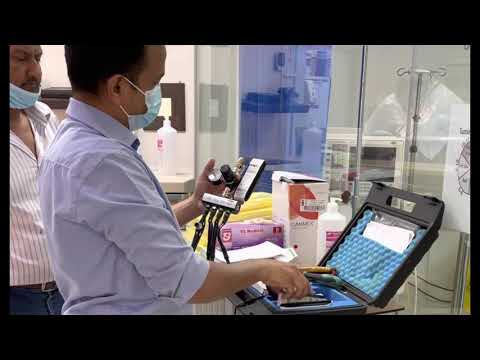
What the Installation Tests Verify
Two properties define a medical gas outlet: pressure and flow. The pressure test verifies that each outlet delivers the system pressure at the point of use — oxygen and medical air at the standard operating pressure (commonly 4 bar / 400 kPa in most markets, with the specific value per the national standard), medical vacuum at the negative pressure spec. The flow test verifies that the outlet delivers the required flow under load — the test runs the outlet at its rated flow (the common general-purpose outlet rating is 100–200 L/min for oxygen and air, 40 L/min for vacuum, with the numbers varying by standard and application) while checking that the pressure holds within tolerance. The third check is the alarm and shut-off verification: the zone valves and the alarm system respond correctly when an outlet or zone is isolated. The testing standard that governs the whole exercise is the facility-gas standard of the destination market — the NFPA 99 health care facilities code is the reference for North America, and equivalent national standards apply in other markets.
The Test Sequence After Installation
The post-installation sequence runs in four steps. Step one, purity and cleanliness: after the pipeline is flushed, the gas quality is verified (oxygen purity and the absence of contamination) before any outlet is put into service. Step two, outlet-by-outlet pressure and flow testing: each outlet is tested individually at rated flow with the pressure recorded — the pass criterion is the pressure holding within the tolerance band at the rated flow, and every outlet gets a test record. Step three, alarm and valve verification: the zone valve operation and the alarm set-points are verified with the documented response. Step four, the labeling and documentation handover: the outlets carry their final labels (gas type, outlet type) and the test certificates are bound into the facility file. The discipline that matters: the tests run on the installed system, not on the components — a bench-tested outlet is not a tested installation, because the pipeline, the joints and the outlet’s seating are what the on-site test actually verifies. The medical gas pipeline design guide covers the design-side specs, and the gas outlet standards guide covers the outlet-level requirements.


Who Runs the Tests and What the Records Show
The testing responsibility splits three ways. The installer runs the initial commissioning tests with calibrated equipment. The independent verifier (a third-party gas testing firm or the hospital’s engineering consultant) re-verifies a sample or the full set for the acceptance record — the independence matters because the acceptance record is the liability document. The equipment supplier (pendant or outlet manufacturer) provides the component certificates that the installation testing builds on. The record for each outlet should show: the outlet identifier, the gas type, the tested pressure at rated flow, the test date, the tester’s identity, and the calibration certificate of the test equipment. A handover without these records is a handover without acceptance — and the records are also the baseline for the periodic re-testing that facilities run on a schedule. Sanyang’s installation support packages the outlet and pendant certificates with the equipment, and the installation and maintenance hub covers the handover documentation structure.
The Procurement Angle: What Buyers Should Contract
El contrato del comprador debe especificar el alcance de las pruebas antes de la orden de compra: quién realiza las pruebas de presión y caudal, quién verifica de forma independiente, cuáles son los criterios de aceptación (las bandas de tolerancia de la norma) y qué registros se entregan. La especificación del equipo es importante aquí: las salidas y columnas con documentación de prueba clara (certificados de prueba de presión de fábrica, caudal nominal publicado de la salida) hacen que las pruebas de instalación sean sencillas; el equipo sin la documentación de fábrica traslada la carga de las pruebas y el riesgo al proyecto. Para los programas de distribuidores, la misma disciplina se aplica en la etapa de muestras: la columna o salida de muestra debe llegar con sus datos de prueba de fábrica, para que el distribuidor pueda verificar previamente los números antes de que se envíe el contenedor. El gama de columnas médicas página de quirófano llave en mano muestra cómo se incorporan las pruebas de gas al paquete completo del proyecto. Registros por salida que muestren identificador, tipo de gas, presión probada a caudal nominal, fecha de la prueba, identidad del evaluador y certificado de calibración del equipo de prueba.
Preguntas frecuentes
¿Qué se prueba en una salida de gas médico después de la instalación?
Presión en el punto de uso (oxígeno y aire a la presión operativa estándar, comúnmente 4 bar), flujo bajo carga (100-200 L/min para oxígeno/aire, 40 L/min para vacío según clasificaciones comunes), además de la respuesta de alarma y válvula de zona.
¿Por qué probar en el sistema instalado en lugar de en los componentes?
Debido a que la tubería, las uniones y el asiento de salida son lo que verifica la prueba en sitio; una salida probada en banco no es una instalación probada.
¿Qué registros debe incluir el traspaso?
Contrate el alcance de las pruebas, ejecute la secuencia en el sistema instalado y entregue los registros: el expediente de aceptación protege a todos. Lecturas relacionadas:.
¿Qué norma rige las pruebas de gases medicinales?
NFPA 99 (código de instalaciones de atención médica) para Norteamérica, con estándares nacionales equivalentes en otros mercados; el contrato debe nombrar la norma y sus bandas de tolerancia.
diseño de tuberías gama de columnas y la Reproducir video: Pruebas de gas médico.
Para precios de módulos y la lista de verificación posterior a la reparación, consulte nuestra Guía de costos de reemplazo de módulos LED.
Defects are cheapest before the crate closes and before the room opens; our FAT and SAT acceptance testing guide covers both test stages.
Vacuum Terminal Flow: The ISO 7396-1 Benchmark
Vacuum pipelines are tested under the same framework as compressed gas lines: ISO 7396-1 governs medical gas pipeline systems for both compressed gases and vacuum. For surgical vacuum terminals, the commonly specified design point is a free-air flow of around 40 L/min per terminal, so a flow check at commissioning should confirm each outlet delivers that rate at the working vacuum level before sign-off. In practice, test each terminal with a calibrated flowmeter and gauge, then verify that simultaneous demand from multiple terminals does not collapse the reservoir pressure below the alarm threshold. Where a terminal reads low, check the branch valve position and the line for restrictions before blaming the central vacuum plant.
For how terminal counts and outlet placement feed into this test plan, see our medical pendant configuration guide.
También te puede interesar...

After-Hours Maintenance Strategy: Minimizing OR Downtime
Operating room downtime is expensive because an idle OR still burns staff, overhead and scheduled...

Operating Table Battery Replacement: Procedure and Intervals
Operating table battery replacement is the routine swap of the integrated backup battery that keeps...

Trolley Lock Cylinder Maintenance: Keyed and Push-Lock Types
Medical trolleys fail at the lock. Not the frame, not the casters, not the drawers...