
Remote Diagnostics and Video Troubleshooting: How It Works
When a piece of medical equipment has a problem, the fastest and cheapest fix is often not a visit. Remote diagnostics and video troubleshooting let a factory engineer look at the issue over a call, identify the fault and guide a local fix. For a hospital or a distributor in a remote location, this is a real benefit. Here is how it works and why it matters.

What remote diagnostics is
Remote diagnostics is the ability to assess an equipment fault from a distance. The technician asks a local person to describe or show the symptom over a video call, and follows a structured set of checks to isolate the cause. For equipment with a control panel, an indicator or a display, the engineer can often read the state remotely. This turns a potentially long and costly visit into a quick conversation.
The video troubleshooting process
In a video troubleshooting call, the factory engineer guides the local operator through a step-by-step check. The engineer asks for a specific action, a reading or a photo, and the local person reports back. This closes the loop in real time, and it is how a fault is diagnosed without a physical visit. The video is the tool that makes the distance irrelevant.
What it can and cannot do
Remote diagnostics is strongest for a fault that is visible or detectable, like an error code, a loose connection, a setting or a worn part. It cannot replace a physical repair that needs a tool or a replaced component, but it can identify the exact fault so a technician arrives with the right part. This saves a visit and a return trip. For a distributor, this is the difference between a one-day fix and a week-long wait.
Why it matters for a hospital
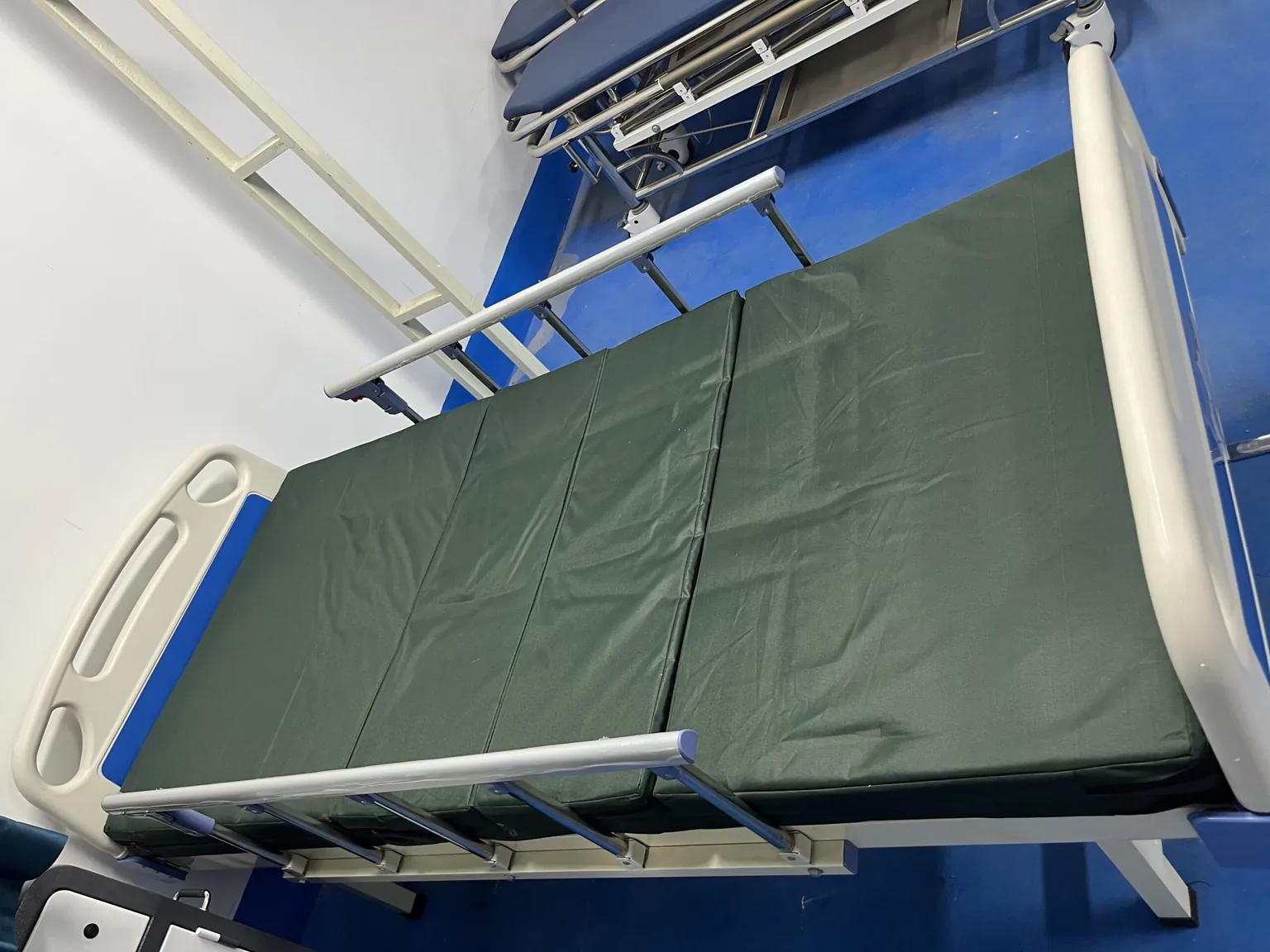
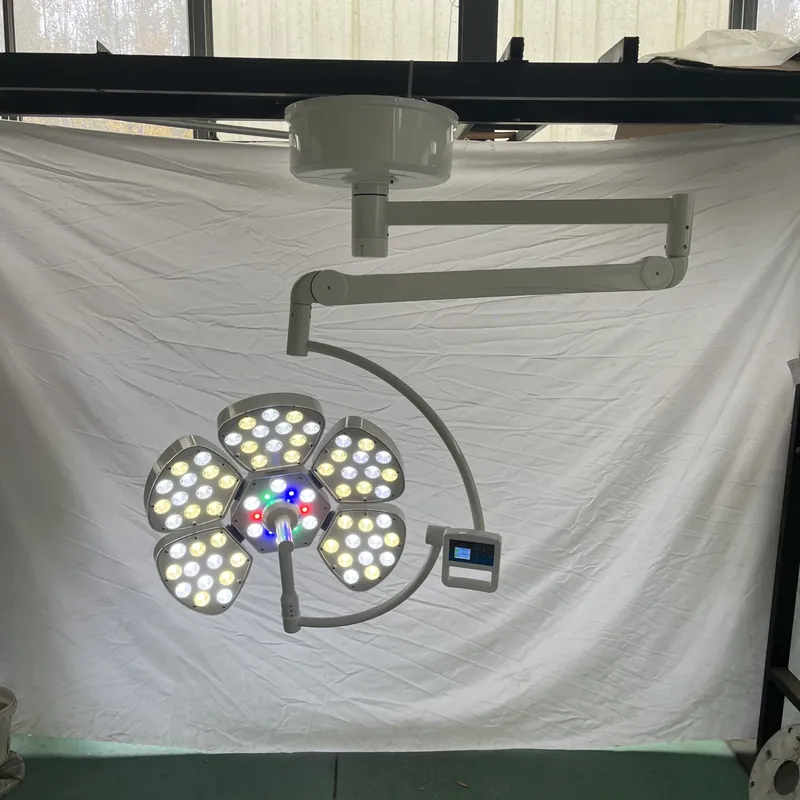
For a hospital, especially in a remote or resource-limited setting, downtime is a serious issue. A surgical light that is out, or a bed that will not adjust, can delay care. Remote diagnostics lets Sanyang’s 7×24 support team help immediately, rather than waiting for a visit. For a hospital in a distant region, this is a real and measurable benefit.
Preventive maintenance and support
Remote support also feeds into preventive maintenance and a long-term spare-parts plan. A regular remote check can catch a small issue before it becomes a failure, and the spare-parts plan means the right part is available when it is needed. See our trolley preventive maintenance guide, and our warranty and service agreements article for the support side.
Choosing a supplier with remote support
When you buy equipment, ask about the remote support. A factory that offers video diagnosis, a structured troubleshooting process and a long-term spare-parts plan is far easier to work with than one that requires a visit for every issue. Quality standards such as those promoted by the American Society for Quality underline the value of a consistent process. Our connected medical equipment article covers the connectivity side.
Remote diagnostics and video troubleshooting are a genuine after-sales asset. They let a factory help immediately, diagnose a fault without a visit and guide a local fix, which cuts downtime and cost. For a hospital or a distributor, it is the difference between a problem and a solution. Sanyang Medical provides 7×24 video diagnosis and hospital equipment support for its range.
Video: why surgeons don’t have shadows
FAQ
How does remote medical equipment diagnostics work?
The factory technician assesses a fault from a distance, often over a video call, guiding a local person through a structured set of checks to isolate the cause. It is strongest for a visible or detectable fault.
Can a technician fix equipment remotely by video?
It can diagnose and guide a fix for a fault that is visible or detectable, like an error code, a loose connection or a setting. A physical repair that needs a tool or a replaced component may still need a visit, but the diagnosis is done remotely.
You May Also Like...

Rehearsed, Not Discovered: The Emergency Conversion File
An emergency section starts with a call, and the table has to move from a...

Crates for Months: Storage Terms That Save the Warranty
The crates are going to sit on site through the wet season, and the quote...

Year Six Dimming: A Replacement Path You Can Audit
A sealed engine does not fail on a date, and the committee question is answerable...