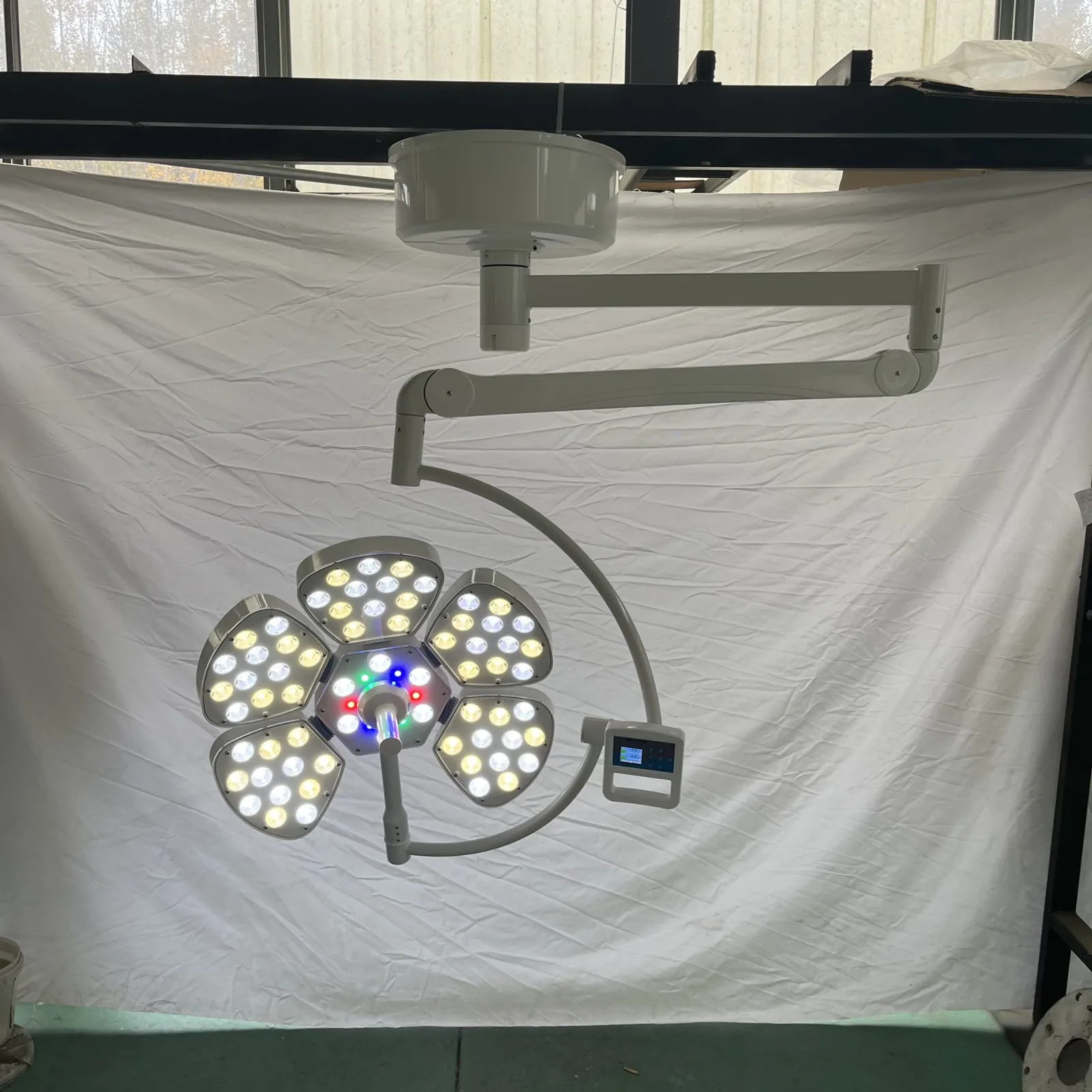

A backup battery that fails its first biomedical test after a sea voyage is often telling you about the journey, not about the battery. Cold slows a battery’s chemistry, a long idle period drains it, and a unit tested straight out of a cold crate can look finished when it is merely cold and flat. So run the arrival in the right order: condition the unit at room temperature for the maker’s stated time, give it a full charge and one normal discharge cycle, and only then measure backup runtime against the maker’s figure. In parallel, get three things from the factory before the rest of the order is built: the battery’s identity and date code on the records, the state of charge it ships at with the storage and top-up rules, and a per-unit runtime test at packing performed on the real load. Then the question of who owns a short backup has an answer.
Why a cold, idle battery looks dead
Battery chemistry is temperature- and time-sensitive in ways that hide themselves in a crate. Cold raises internal resistance, so a battery that would easily run a light at room temperature can sag below the cut-off within minutes, then recover as it warms. Idle time does the rest: every rechargeable chemistry self-discharges, some quickly enough that a battery shipped at partial charge is deeply discharged by the time a hospital opens the crate, and a deeply discharged battery left that way can lose capacity permanently rather than temporarily. Two months of a cold container is not an abuse; it is simply a storage story that the acceptance procedure has to respect. The general behaviour of self-discharge and storage is described in the reference material on rechargeable batteries, and the practical rule for a receiving dock is short: never judge a battery before it has been brought to room temperature and cycled once.
The arrival commissioning that makes the test honest
Write this sequence down and it becomes the hospital’s standard, so no two technicians reach two different verdicts on the same shipment.
- Condition first. Bring the units to room temperature in their crates or on the bench for the period the maker states, because condensation and cold both distort the first reading.
- Charge fully, then discharge once. One full charge followed by a normal discharge cycle wakes a battery that has been idle and reveals whether capacity is really there. A battery that only wakes on the second cycle is a battery to watch, not to trust silently.
- Then test on the real load. Backup runtime against the maker’s figure, with the light at backup brightness and any auxiliary loads the theatre uses, from mains-off at the worst case. A test with no load or a bench resistor measures nothing a surgeon cares about.
- Record per unit. Serial number, date and duration of the runtime test, the battery’s date code, and the technician’s name. This is the same records habit the service side already relies on, and it pairs with the discipline in the notes on calibration and test records for OR equipment.
One more line belongs in the acceptance: a second test after the battery has been in normal service for a while. A battery that passes cold and fails hot, or passes once and fades within a month, is telling you about a cell that is nearing its end, and the early warning is free.

What a backup-duration claim should look like
A backup duration printed on a datasheet is a number without a story until someone writes down the conditions. Ask the factory to state them, in the same table as the figure: the brightness setting the test ran at, which auxiliary loads were connected, the ambient temperature, whether the battery was new or cycled, and what the test counted as the end of the run, whether that is the point where the light no longer meets the theatre’s minimum illumination or the point where it switches off entirely. Two documents can both be truthful and disagree by a wide margin purely because one was measured on a fresh pack in a warm room and the other on a used pack in a cold one, and the receiving technician needs to know which conditions the promise refers to. The same conditions then apply at packing, so the per-unit record at shipment and the datasheet claim are speaking the same language, and any future argument about a short run starts from a definition rather than from feelings.
Cold crates, condensation and the first hours
A battery that has crossed an ocean in winter arrives cold, and how it is opened matters. Bring the crate into a heated space and let it come up to room temperature before unpacking sealed packs, because a cold pack meeting warm humid air will condense moisture on the very surfaces you least want wet, and the electronics around a battery, charger or control board share that risk. Then respect two rules that are easy to get backwards in a hurry. Do not charge a battery while it is still cold: some chemistries accept a charge only above a minimum cell temperature, and forcing charge into a frozen or near-frozen pack is one of the classic ways to damage it permanently. And do not judge it while it is cold either, because a cold run shortens the measured time without telling you anything about capacity. The makers of the cells publish both limits, a minimum charging temperature and a storage temperature range, and the simplest request to the factory is for a copy of those two numbers on the equipment’s documentation. A receiving team that warms, charges and cycles before testing will find that most of its dramatic short-backup surprises were arithmetic performed on a cold battery.
The three things to demand from the factory
For the units still to be built, the factory’s side of this story is short and specific.
- Identity and date code, on the record. Which battery, chemically and by model, with the cell or pack manufacture date recorded against the equipment serial number. A delivered machine with a battery two years older than its nameplate is an aged component sold as new, and the date code is the only way to see it. Ask also that the battery’s part number appears in the manual and on the spare parts list; a battery nobody can reorder becomes an emergency purchase at local prices.
- The shipping state of charge and the storage rules. What charge level batteries leave at, the permitted storage temperature range, and the top-up interval if storage runs long. This is the line that prevents the problem in the first place: a maker who ships and stores batteries per their own cell supplier’s instructions will hand you a pack that wakes on the first cycle, and one who treats batteries like plastic parts will keep sending you crates of sleeping cells.
- A runtime test per unit at packing, on the real load. Not a voltage check; a timed run on the light itself, recorded by serial number with the duration and the result. Where the batch is large, agree a sampling plan with a defined first-article test, but keep it on the load, because batteries fail the way they are used.
The site’s existing guidance on specifying power for hospital equipment, the notes on batteries and charging specifications, covers the design side of the same subject; this article is the receiving and shipping side, which is where the two meet.
What to do with the units already on the dock
Before any claim conversation, run the commissioning sequence on the affected units and keep the numbers. If they recover after conditioning and a full cycle, the shipment is fine and the corrective action is procedural: your own receiving process now includes the wake-up cycle, and the factory’s packing process should include the shipping charge and the runtime record. If a unit still fails after conditioning and a second cycle, you have a genuine defect with a dated test, a serial number and a battery date code, which is the cleanest possible claim. Either way the hospital’s biomedical team ends up with a documented acceptance rather than a rumour about Chinese batteries, and the failure conversation shifts from national stereotypes to specific numbers.
For the fleet in service, add the battery to the planned maintenance list: an annual runtime check, a known replacement part number, and a note that the check is done warm, on the load, after a full charge. Batteries are wear items with a calendar as well as a cycle life, and a hospital that measures them once a year replaces them on a schedule instead of in the middle of a case. The rest of the order, if it ships with the date codes, the state of charge and the runtime records, will be judged on what it can do rather than on what the crate did to it on the way over. And the units already failing on the dock deserve the same fair trial: warm, charged, cycled, then measured, with every number written next to the serial number. A battery verdict built on that sequence is one the factory can answer and the hospital can defend.
Anda Mungkin Juga Menyukai...

Transit Fixings: The Removal Record to Demand
A transit fixing is any bolt, bracket, pin, chock or strap fitted to keep a...

OR Table Controls: Redundancy Worth Ordering
The hand control that hit the floor yesterday cost you an afternoon of theatre time,...

Rehearsed, Not Discovered: The Emergency Conversion File
An emergency section starts with a call, and the table has to move from a...