
A new department needs a list of equipment before it needs a supplier. Turn that list into a bill of quantities and it becomes a document a tender can be run from: each line carries a quantity, a specification and the standard it must meet. Skip that step and the tender produces bids that cannot be compared, which is how projects end up buying the cheapest interpretation of a vague requirement.
This guide covers how to build a department equipment list, the fields each line needs, and the mistakes that make a schedule un-biddable.

From Department Plan to Equipment List
Start from the clinical workflow rather than from a catalogue. A department plan defines rooms and functions: how many theatres, how many recovery bays, how many consultation rooms, what procedures are performed. Walk the workflow and list the equipment each space needs to function, then reconcile the list against the room count.
The second pass adds the equipment that is shared rather than room-bound: transport trolleys, suction units, monitoring, resuscitation equipment. Shared items are the ones most often forgotten, and they are the ones that stop a department opening.
The third pass adds consumables and spares. A list that stops at capital equipment leaves the department unable to run on day one, and the omission usually surfaces as an emergency purchase at full price.
The Fields Each Line Needs
Six fields turn a list into a bill of quantities: item description, quantity, unit, technical specification, standard or certification required, and the delivery or installation scope. A line missing any of the six cannot be priced consistently by two different suppliers.
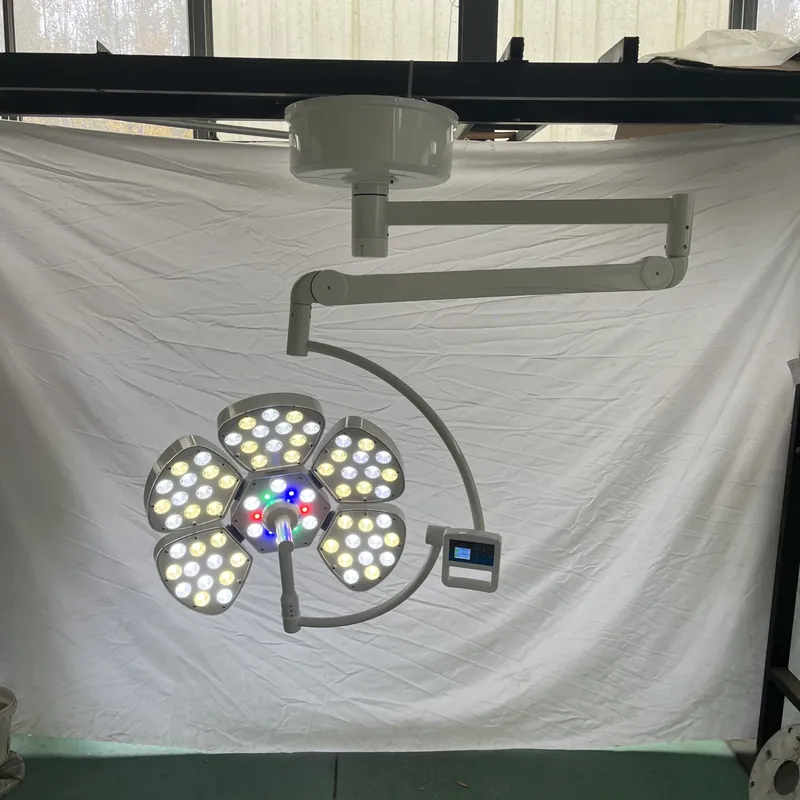
The specification field is where most lists fail. A line that says surgical light without parameters leaves the bidder to choose between a basic model and a premium one, and the evaluation then compares numbers rather than products.
The standard field should name the requirement explicitly, such as the electrical safety standard or the certification expected, and should state whether evidence is required with the bid or at delivery. Stating it once, consistently, avoids the situation where one bidder submits certificates and another submits promises.
Quantities, Spares and Consumables
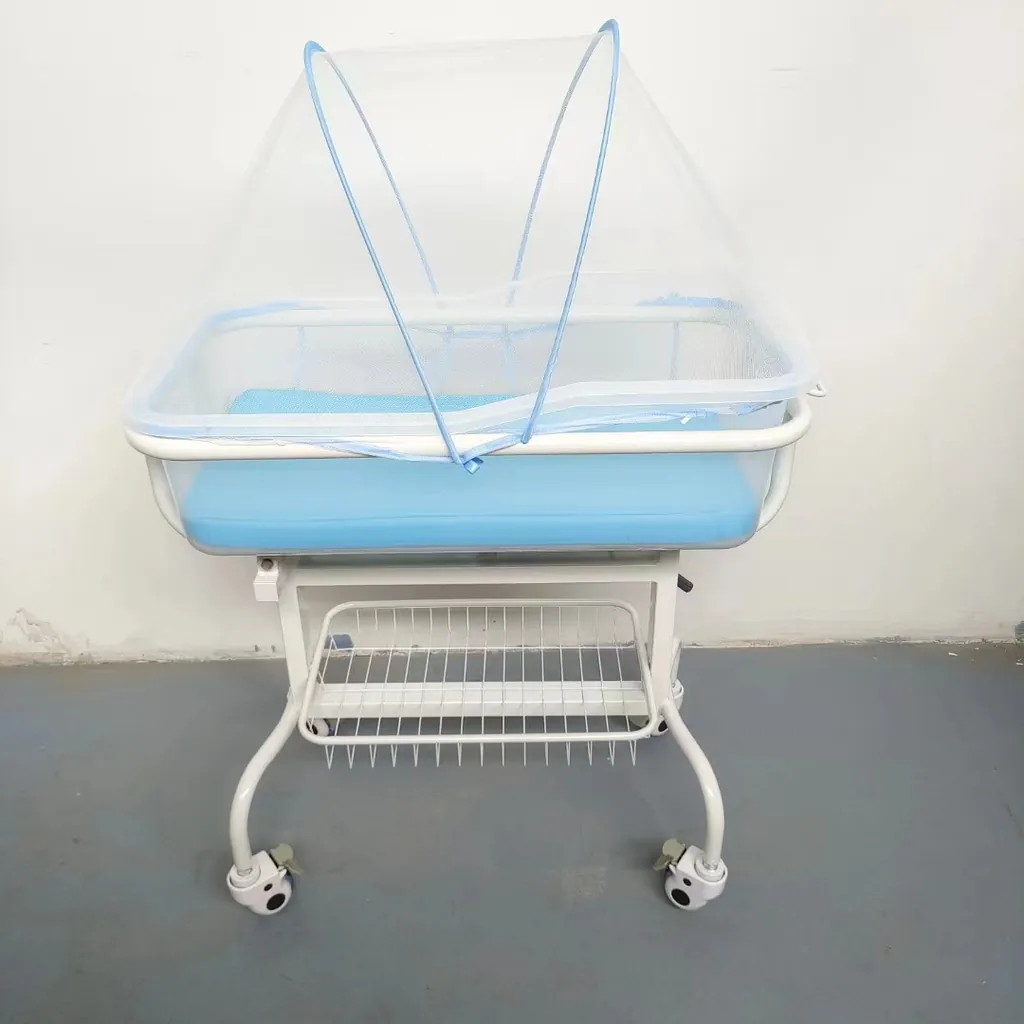
Quantities should come from the room schedule and include a stated spare ratio for critical items. A department that opens with no spare trolley or light will be buying one at retail within a month, and the spare ratio is far cheaper negotiated with the main order.
Consumables should be listed with an estimated annual usage rather than a single quantity, so the tender can capture a supply arrangement instead of a one-off purchase. This matters for items such as warming blankets, filters, batteries and caster sets.
The spares list should also name the parts that a biomedical team can change in-house versus those requiring a service visit. That distinction affects the warranty and service contract structure, and it belongs in the schedule rather than in a later negotiation. The equipment categories that appear on most department lists, from lights and tables to trolleys and beds, are grouped on our rangkaian produk page so a schedule can be built from current models rather than from memory.
Common Mistakes That Break a Tender
The first is mixing capital and consumable lines in one schedule, which makes total-price comparison meaningless. The second is specifying brands rather than performance, which limits competition and can breach procurement rules in some markets.
The third is leaving room dimensions out. Equipment that must fit a specific room needs the clearance, ceiling height and door widths stated, because a technically compliant bid that does not fit the building is not compliant at all.
The fourth is ignoring the market’s procurement context. Tender processes, documentation expectations and payment practice differ by country, and the per-market notes published in the US Commercial Service country guides are a practical starting point when a programme spans several markets. The technical annexes that bidders must answer are covered in reading hospital tender compliance annexes, and the mapping between requirements and certificates is set out in tender compliance matrices.
Making the List Usable After Award
The bill of quantities should survive into the project as the delivery checklist. Each line becomes an item to receive, install, commission and hand over, and the same document supports the final payment schedule.
Where the project is phased, the list should be structured by phase and by room so deliveries can be scheduled against construction. This is the difference between equipment that arrives when the room is ready and equipment that sits in a corridor for three weeks.
If you are building a department schedule, our products team can map your clinical workflow to an equipment list with specifications, quantities and spares, structured for tender and for phased delivery. Equipment categories that most often appear on these schedules, from surgical lights and tables to trolleys and beds, are listed in the product range overview.
Pertanyaan Umum
What is the difference between an equipment list and a BOQ?
A BOQ adds quantity, unit, specification, standard and delivery scope to each line so bids can be compared consistently.
Should spares be included?
Yes. A stated spare ratio for critical items is far cheaper negotiated with the main order than bought afterwards.
Can I specify a brand?
In many public tenders, specifications must be performance-based rather than brand-specific. Check the rules of the market.
Why include room dimensions?
Equipment must fit the room, ceiling and doors. A compliant bid that does not fit the building is not compliant.
How does the BOQ help after award?
It becomes the delivery, installation and handover checklist, and it supports the payment schedule.
Video: Strategising Medical Equipment Procurement
If you are building an equipment schedule for a new department, our products team can map your workflow to a specification-ready bill of quantities with spares and phasing.
Anda Mungkin Juga Menyukai...

Medical Equipment Tenders: Writing Specifications That Do Not Exclude Suppliers
A tender specification is a description of need written for people who will not read...

Service Contracts and SLAs for OR Equipment: What Buyers Should Negotiate
A service contract looks like a maintenance formality until a light fails at 02:00 before...

Import Document Pack: What Customs Asks for Medical Devices
A medical equipment shipment stops at customs for one reason more than any other: the...