
Executive Summary
A field-tested hospital bed procurement checklist for new ward and ICU projects: ICU bed specifications, IEC 80601-2-52 compliance, supplier audits, TCO, and acceptance testing.
Ask any hospital project manager what went wrong in their last ward opening, and “beds” will come up faster than you’d expect. Not the imaging equipment, not the HVAC — the beds. I’ve watched a 400-bed regional hospital delay its ICU commissioning by six weeks because the delivered beds had a safe working load 30 kg below what the tender specified, and nobody had checked the test report against the purchase order. On another project, the beds arrived fine but the side rails didn’t match the mattress platform height, creating an entrapment gap that the clinical engineering team refused to sign off. A solid hospital bed procurement checklist is not bureaucratic overhead; it is the difference between a ward that opens on schedule and one that hemorrhages budget in rework.
The stakes are rising, not falling. Multiple market research firms tracking the ICU beds market through 2035 describe steady mid-single-digit growth, driven by aging populations, post-pandemic critical care capacity expansion, and hospital infrastructure programs across Asia, the Middle East, and Africa. New ward and ICU projects are being funded at a pace we haven’t seen in a decade — which means a lot of first-time procurement teams are writing bed specifications right now. At Sanyang Medical, we’ve supported ward and ICU fit-outs from our factory floor as a manufacturer of hospital beds and full OR/ICU room packages, and this checklist is distilled from what actually goes wrong on real projects, not from theory.
Use this as your working document. Each step ends with concrete line items you can paste directly into your tender or purchase order.
Step 1: Define Clinical Requirements by Ward Type Before You Touch a Catalog
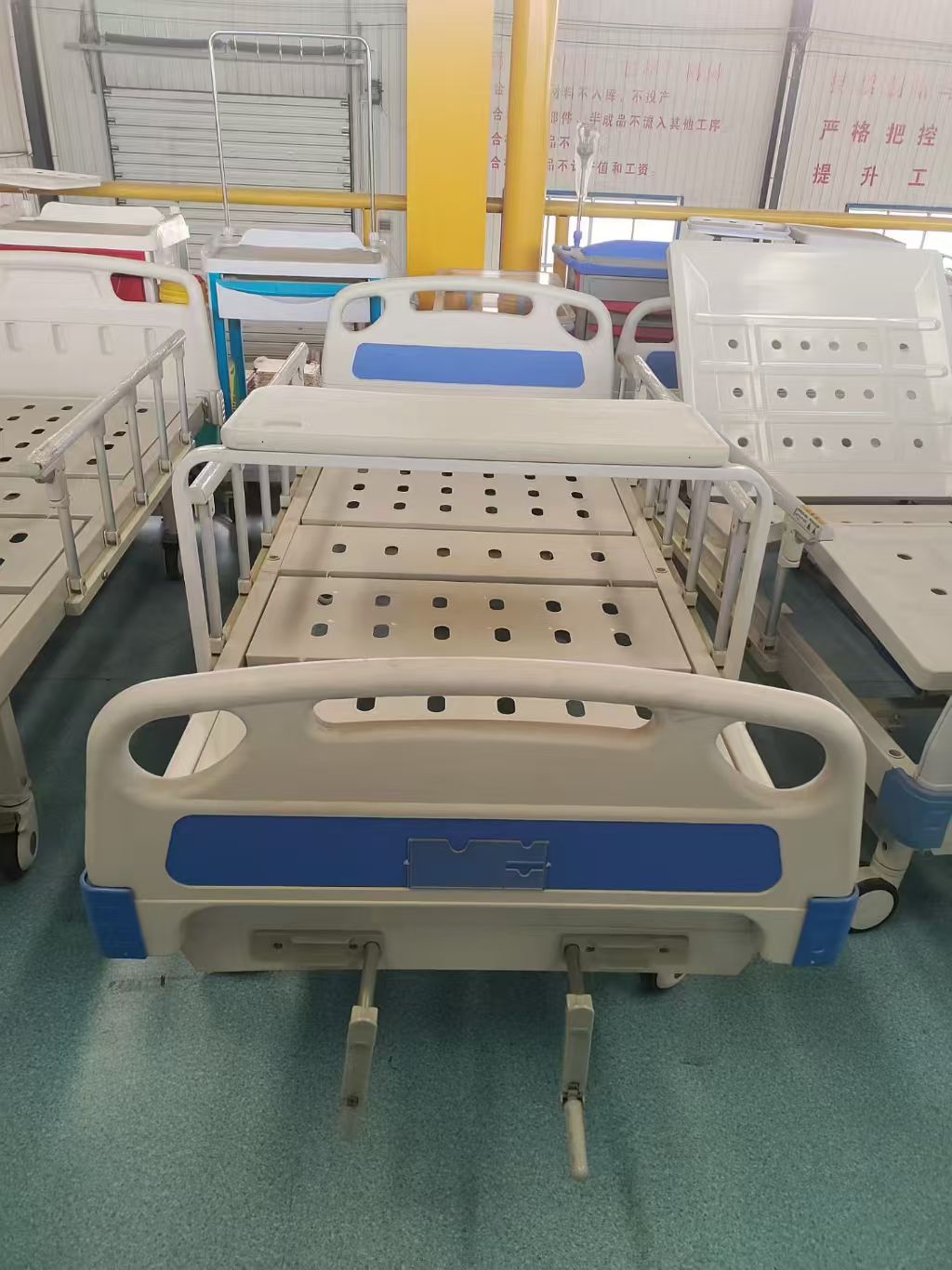
The most common procurement failure is buying one bed model for the whole facility. A general medical ward, a step-down unit, and a full ICU have fundamentally different functional demands, and forcing a single SKU across all three guarantees you either overpay on the wards or under-spec the ICU. Before you request a single quotation, sit down with nursing, biomedical engineering, and infection control and map your bed mix by unit.
Work through these questions for each unit type:
- Patient acuity and mobility: What percentage of patients will be ventilated, sedated, or fully dependent? That ratio drives the need for electric positioning, CPR release, and lateral tilt functions in the ICU versus manual or semi-electric beds on the wards.
- Patient weight profile: Do you need a dedicated bariatric allocation? A common planning figure is 5–10% of beds rated for higher loads, but your demographics decide this, not a rule of thumb.
- Transfer and transport workflow: Will beds travel with patients to imaging and the OR? If yes, caster quality, fifth-wheel steering, brake systems, and compatibility with transfer boards become specification items, not afterthoughts.
- Room geometry: Measure door widths, elevator cars, and turning radii. A bed that fits the room but not the route to the room has failed procurement on day one.
- Infection control regime: How aggressive are your disinfectants? Powder-coating quality, ABS versus steel components, and open-architecture deck designs determine how well the bed survives your cleaning protocol five years in.
Field experience: the ward that “just needs basic beds” is where hidden costs concentrate. Cheap manual beds with poor brakes and low-grade casters generate a steady stream of maintenance tickets and staff injuries. Spec the wards properly and the ICU budget gets easier to defend.
Document the output as a bed-mix matrix: unit, quantity, bed type, and the three to five must-have functions per unit. This matrix is the backbone of your tender and the first thing any serious manufacturer will ask for.
Step 2: Lock Down ICU Bed Specifications Line by Line
ICU bed specifications deserve their own clause-by-clause review because this is where tenders fail silently. A line that says “electric ICU bed, 4-section” tells a supplier almost nothing, and the cheapest compliant interpretation is rarely what your intensivists had in mind. Below is the specification framework we recommend — and what we’ve learned to watch for on each line when buyers compare quotes.
| Specification Line | What to Write in the Tender | What Goes Wrong When It’s Vague |
|---|---|---|
| Safe working load (SWL) | State SWL in kg and require it to cover patient + mattress + accessories (typical ICU target: 220–250 kg SWL) | Supplier quotes max patient weight only; pumps, monitors and pendants push you over limit in daily use |
| Positioning range | Backrest ≥70°, knee break, Trendelenburg and reverse ≥12–15°, height range stated in mm (low position matters for fall prevention) | “Trendelenburg” delivered at 8° — insufficient for some shock and positioning protocols |
| CPR function | One-touch or manual quick-release flattening of the backrest, operable from both sides | Single-side release; staff on the wrong side lose seconds that matter |
| Side rails | Compliance with entrapment-zone dimensional limits (per IEC 80601-2-52 and the FDA bed system dimensional guidance), rail height relative to the compressed mattress surface | Rail-to-mattress gap creates entrapment risk once a thicker pressure-relief mattress is fitted later |
| Mattress platform | Deck type (perforated steel or removable ABS panels), X-ray translucent backrest section if required, standard mattress size compatibility | Non-standard deck dimensions lock you into one mattress vendor at premium prices for a decade |
| Electrical system | Voltage/frequency for your market, battery backup with stated duration, ingress protection rating (IPX4 or better for wash-down zones), nurse control panel with lockout | Beds delivered on the wrong voltage; no battery backup means no repositioning during a power cut or transport |
| Casters and brakes | Diameter (125 mm or larger for ICU), central locking with directional steer, antistatic if required | Small casters jam on elevator thresholds and damaged flooring — the single most common bed maintenance complaint we see |
Two items on this table cause the majority of post-delivery disputes. First, safe working load: IEC 60601-2-52 (the widely adopted 2009 edition with its 2015 amendment) defines SWL as the total load the bed is designed to support safely — patient plus everything on the bed. When a tender says “250 kg,” insist on knowing whether that figure is SWL or patient weight. Second, side rail dimensions: the U.S. FDA’s Hospital Bed System Dimensional and Assessment Guidance to Reduce Entrapment, issued in 2006 through the Hospital Bed Safety Workgroup, defined measurement zones between rails, mattress, and head/foot boards that remain the reference clinicians use in incident reviews. Specify that delivered beds, with the intended mattress fitted, pass these dimensional checks at acceptance.
Step 3: Verify Standards and Regulatory Compliance — With Documents, Not Logos
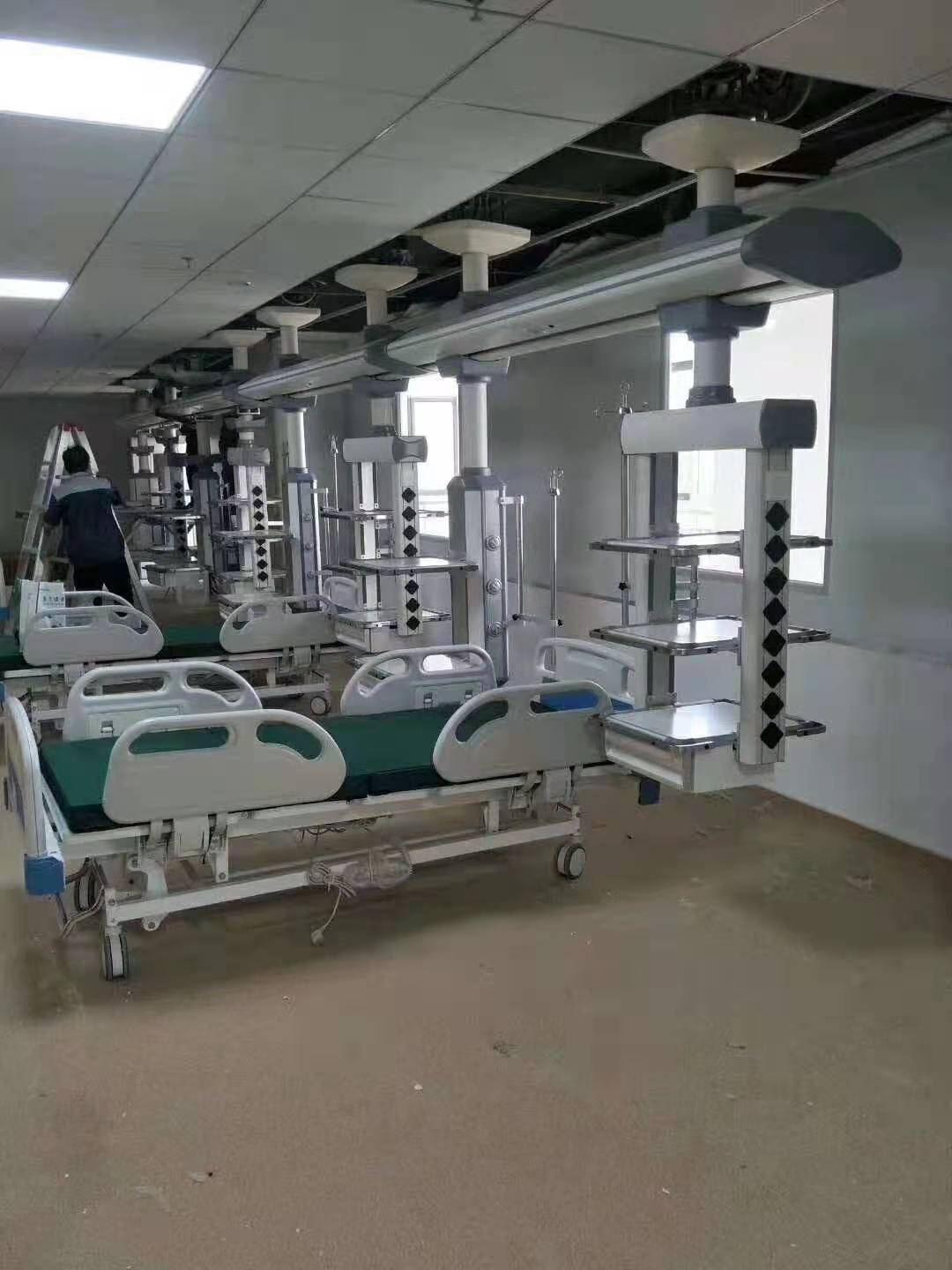
Compliance claims are cheap; test reports are not. Your checklist should treat certification as a document-verification exercise with named standards, certificate numbers, and scope statements. Here is the hierarchy we recommend for medical bed procurement in 2026:
- IEC 80601-2-52:2026: The IEC published a new edition of the particular standard for basic safety and essential performance of medical beds for adults, consolidating the line that began with IEC 60601-2-52:2009 and its 2015 amendment. It covers electrical and manual medical beds, bed-lifts, and detachable mattress support platforms. Ask suppliers which edition their type testing covers and when they plan to transition — a manufacturer with a clear answer is one that tracks its regulatory obligations.
- ISO 13485: The factory’s quality management system certificate. Check the certificate scope explicitly lists medical beds (or the relevant product family), check the issuing body, and check the expiry date.
- EU MDR 2017/745 / CE marking: For European and many Middle Eastern and African tenders, verify the Declaration of Conformity references MDR rather than the old MDD, and that the certificate scope matches the bed models on your purchase order.
- Electrical safety: Test reports against the IEC 60601-1 series for electric beds — leakage current, dielectric strength, mechanical hazards — from an accredited lab, not an in-house checklist.
- Local registration: Many markets require local device registration or import licenses. Confirm who owns this obligation — you or the supplier — and build the lead time into your project schedule.
Warning from the field: a CE logo on a brochure proves nothing. We’ve seen brochures carry a valid certificate number — for a completely different product line from the same factory. Match the certificate’s model list against your exact PO line items, character by character.
Keep a compliance dossier per supplier: certificates, test reports, declarations of conformity, and the correspondence where they confirmed scope. If your project is publicly funded, auditors will ask for this dossier years after the beds are delivered.
Step 4: Audit the Supplier, Not Just the Product
For a new ward or ICU project, you are not buying beds — you are buying a ten-year relationship with a manufacturer. The bed is a long-life asset, and your supplier’s stability, spare parts commitment, and engineering responsiveness determine its true cost. Before awarding, verify these points:
- Manufacturing depth: Does the supplier weld, coat, and assemble in-house, or are they a trading company rebadging someone else’s beds? A factory audit — on-site or by live video — settles this in an afternoon.
- Spare parts policy: Ask for the guaranteed parts availability period in writing (seven to ten years is a reasonable demand for actuators, control boxes, handsets, and casters) and a priced spare parts list attached to the contract.
- Customization capacity: New builds rarely match catalog dimensions perfectly. Check whether the factory can adapt bed length, deck height, rail color, or branding without blowing the schedule.
- Project references: Ask for completed ward or ICU projects of comparable scale, and actually contact one reference. A manufacturer confident in its record will facilitate this.
- Whole-room capability: If your project scope extends beyond beds, a supplier who also equips operating rooms can simplify interfaces dramatically. Our own turnkey operating room projects exist precisely because coordinating lights, tables, pendants, and beds across five vendors is where project timelines go to die.

Step 5: Price the Total Cost of Ownership, Not the Unit Price
Unit price comparisons mislead because the purchase price of a hospital bed is typically only part of its lifetime cost. Actuators fail, handsets get dropped, caster forks bend, and mattresses need replacement on a cycle. When you compare bids, normalize them on a ten-year total cost of ownership basis:
- Consumables and wear parts: actuator cost, control box cost, handset cost, caster cost — get the list priced at contract stage, when you have leverage, not after the warranty expires.
- Warranty terms: duration, what’s covered (frame vs. electronics vs. labor), and response time commitments for ICU assets.
- Preventive maintenance: does the supplier offer training for your biomedical team, service manuals, and diagnostic support?
- Logistics: packaging quality for sea freight, moisture protection, and who bears damage risk at each Incoterm stage.
- Service network: a supplier with a dedicated spare parts service program and documented fulfillment times is worth a measurable premium over a slightly cheaper ghost.
A practical shortcut: ask each bidder to quote a five-year spare parts package as a priced option. The spread between bidders on that line item often tells you more about real lifecycle cost than the bed price itself.
Step 6: Plan Logistics, Installation, and Acceptance Testing
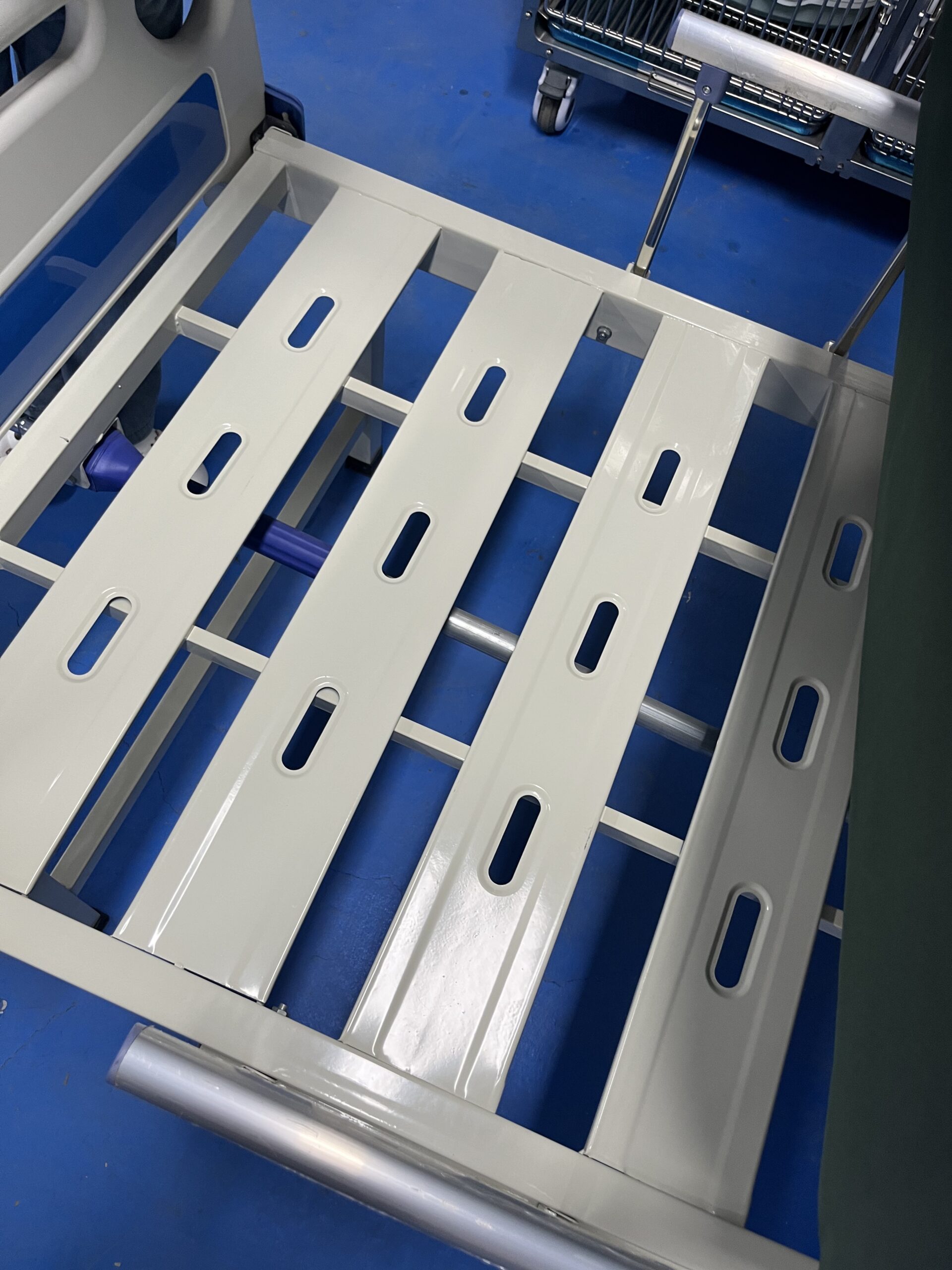
The last mile of a bed procurement project is where schedules slip. Beds are bulky: a 200-bed order is a serious volume of freight, and installation in a finished building with other trades on site requires choreography. Build these items into your checklist:
- Delivery sequencing: stagger shipments by ward so installation teams aren’t storing 200 beds in a corridor.
- Pre-delivery inspection: for orders of meaningful size, inspect a sample batch at the factory (or by live video) before shipment — catching a rail-latch defect at the factory costs a phone call; catching it on-site costs a month.
- Assembly and commissioning: define who assembles, who calibrates scales and angle indicators if fitted, and who trains nursing staff on lockout functions and CPR release.
- Acceptance testing protocol: a written checklist per bed — full function cycle, brake hold on a slope, rail latch integrity, entrapment-zone dimensional check with the actual mattress, battery backup test, and noise check. Sign off per bed, not per batch.
- Documentation handover: user manuals in your language, service manuals, wiring diagrams, and the asset-numbered compliance dossier from Step 3.
Conclusion
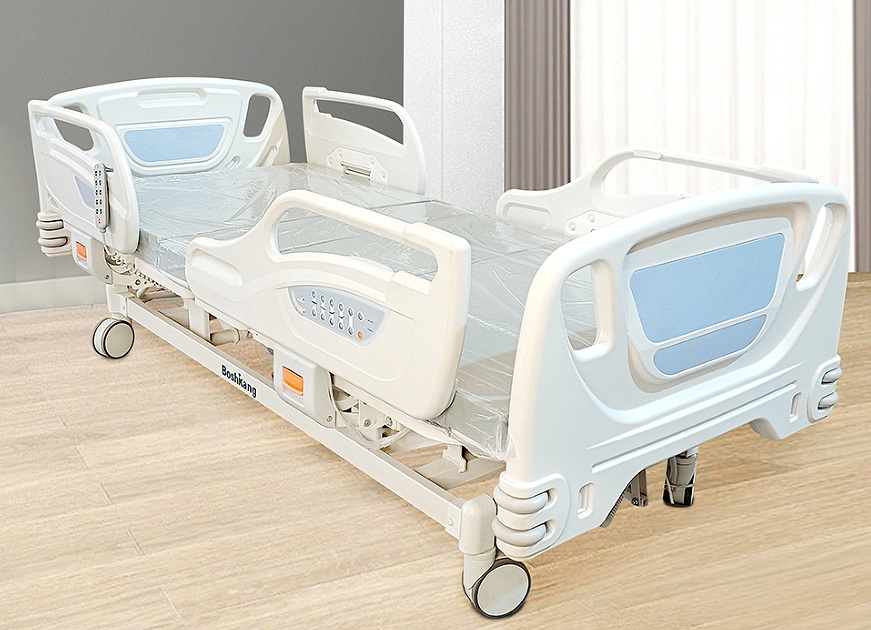
A hospital bed procurement checklist for a new ward or ICU project comes down to six disciplines: define the clinical bed mix before shopping, write ICU bed specifications line by line with real numbers, verify standards compliance through documents rather than logos, audit the supplier as a ten-year partner, compare bids on total cost of ownership, and control logistics through to per-bed acceptance testing. Projects that skip any one of these steps don’t usually fail catastrophically — they fail expensively, in slow motion, through change orders, retrofit mattresses, and maintenance contracts that should never have been needed.
If you’re planning a new ward, ICU, or a full facility build and want a manufacturer’s read on your bed specification before it goes to tender, talk to us. Sanyang Medical manufactures hospital beds and delivers complete room solutions — you can browse our hospital bed range, review past work in our project cases, or contact our team with your bed-mix matrix for a technical review and quotation.
Frequently Asked Questions
What safe working load should I specify for ICU beds?
For adult ICUs, a safe working load of 220–250 kg is a sensible baseline, covering the patient plus mattress, infusion pumps, monitors, and other mounted equipment. Always specify SWL (total load), not maximum patient weight, and require the figure to appear in the supplier’s IEC 60601-2-52 / IEC 80601-2-52 type test documentation.
Which standard applies to hospital beds in 2026 — IEC 60601-2-52 or IEC 80601-2-52?
Both refer to the same line of particular standards for medical beds. IEC 60601-2-52:2009 (with its 2015 amendment) is the edition most existing certificates and test reports reference today, while IEC has published IEC 80601-2-52:2026 as the new edition for medical beds for adults. In tenders, reference the applicable edition for your market and ask suppliers to state which edition their type testing covers and their transition plan.
How do I prevent bed entrapment risks when mattresses are changed later?
Specify that side rail, head/foot board, and mattress platform dimensions comply with the entrapment-zone limits defined in IEC 80601-2-52 and the FDA’s 2006 Hospital Bed System Dimensional and Assessment Guidance — with the intended mattress fitted. Then re-verify those dimensions at acceptance testing and whenever mattress models change during the bed’s service life.
Should wards and ICUs buy the same bed model to simplify maintenance?
Partially. Standardizing on one manufacturer and shared wear parts (casters, handsets, actuators) is smart; standardizing on one bed model is not. ICUs need full electric positioning, CPR release, and higher SWL, while general wards are often better served by simpler electric or semi-electric models. The right target is one supplier, two to three models, and a shared spare parts pool.
What should be in a hospital bed acceptance test at delivery?
Test every bed, not a sample: full positioning cycle through all ranges, CPR release from both sides, brake hold on the steepest floor slope in the unit, side rail latch integrity, entrapment-zone dimensional check with the actual mattress, battery backup operation, handset and nurse-control lockout functions, and a noise check. Record results per asset number and attach them to the compliance dossier before final payment.
You May Also Like...

Pricing Your Imported Equipment as a Distributor
A distributor’s price is not the factory price plus a flat markup. It is the...

Container Loading Plans: Volume and Cargo Protection
Container loading plans for medical equipment are the packing and stowage layout that decides how...

Budgeting for Installation and Training Costs
The invoice price of medical equipment is the smaller half of its cost. The larger...