
A GI endoscopy room is a systems room: the table, the light, the pendants and the carts work as one unit around a sedated patient, and a weakness in any component degrades the whole procedure. Hospitals building or upgrading endoscopy suites therefore buy a system, not a shopping list. This guide covers the four equipment pillars of a GI endoscopy room, the specification details that matter for each, and how they integrate into the room’s workflow.
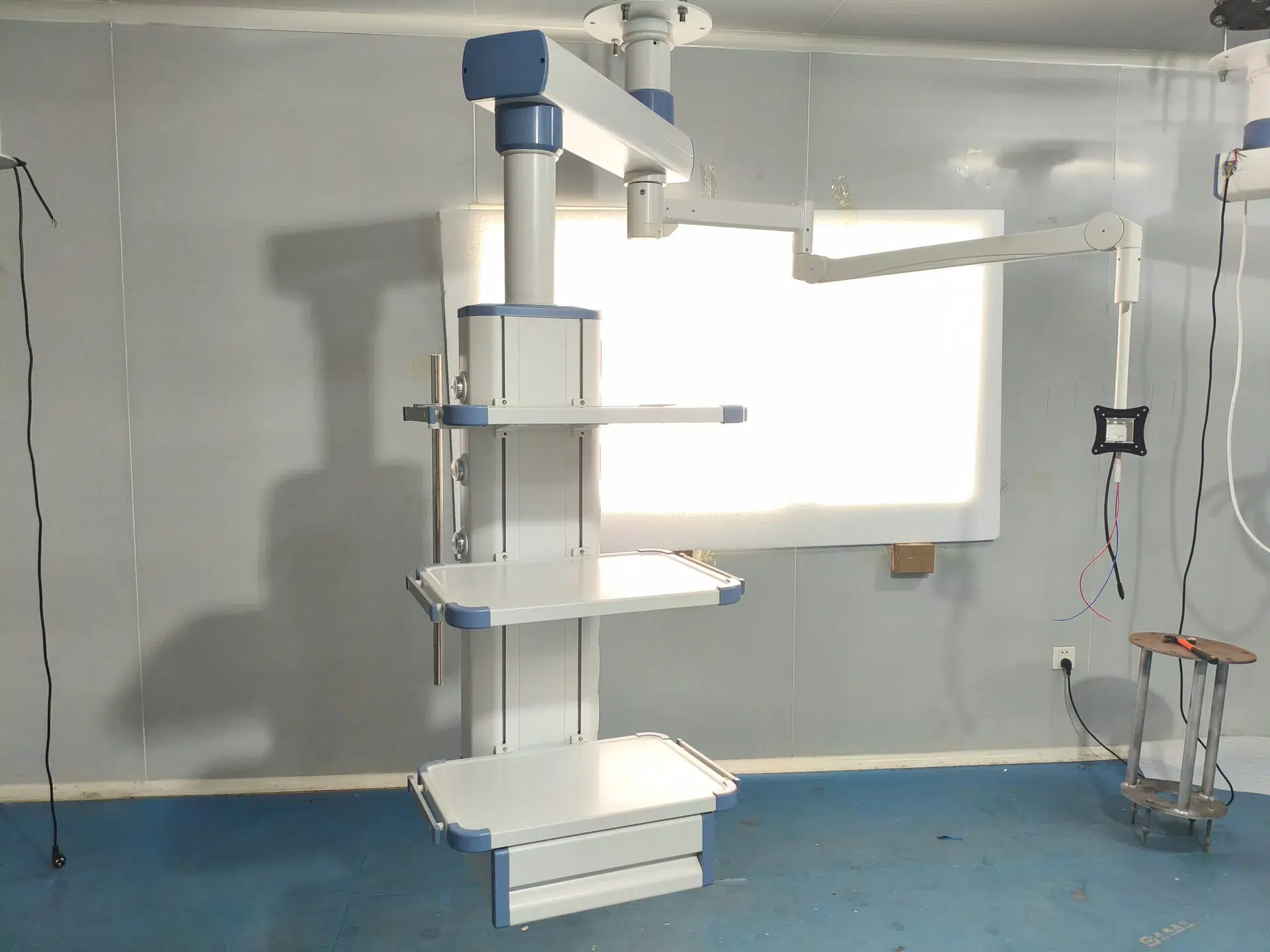
The procedure table
The endoscopy table is the workflow’s center, and three specifications dominate. Patient positioning range: upper GI work needs Trendelenburg and reverse positioning; ERCP demands the lateral positioning precision that only a fully articulating table delivers, and the table’s radiolucency matters when fluoroscopy is in scope. Weight capacity and bariatric range decide the patient population the room can serve. And mobility: tables on locking casters allow room reconfiguration between upper GI, colonoscopy and ERCP sessions, which is how high-throughput suites schedule. Our equipment programs cover the procedure-room spectrum — the hospital equipment range includes the tables and lighting that minor procedure rooms share with endoscopy suites, the configuration logic we laid out in the minor procedure room equipment list. For suites planning a full buildout, the regional hospital case in endoscopy suite buildout shows the complete integration in practice.
Lighting: surgical grade in a procedure room
Endoscopy lighting is a dual system: the endoscope carries its own illumination inside the patient, but the room still needs surgical-grade exam lighting for intubation, scope handling, and the interventional moments when the monitor view is not enough. The specification discipline for surgical lighting applies: illumination intensity with depth-focused performance, color rendering that shows mucosal truth, and backup redundancy so a single LED module failure never darkens a procedure — the failure economics we analyzed in surgical light LED module replacement cost and downtime. Lens and optics maintenance keeps that performance honest over years, the discipline in our surgical light lens replacement guide. Ceiling-mounted configurations dominate purpose-built suites because they free the floor completely; mobile light stands serve multipurpose rooms, the trade-off most suite planners weigh between dedicated and shared spaces.
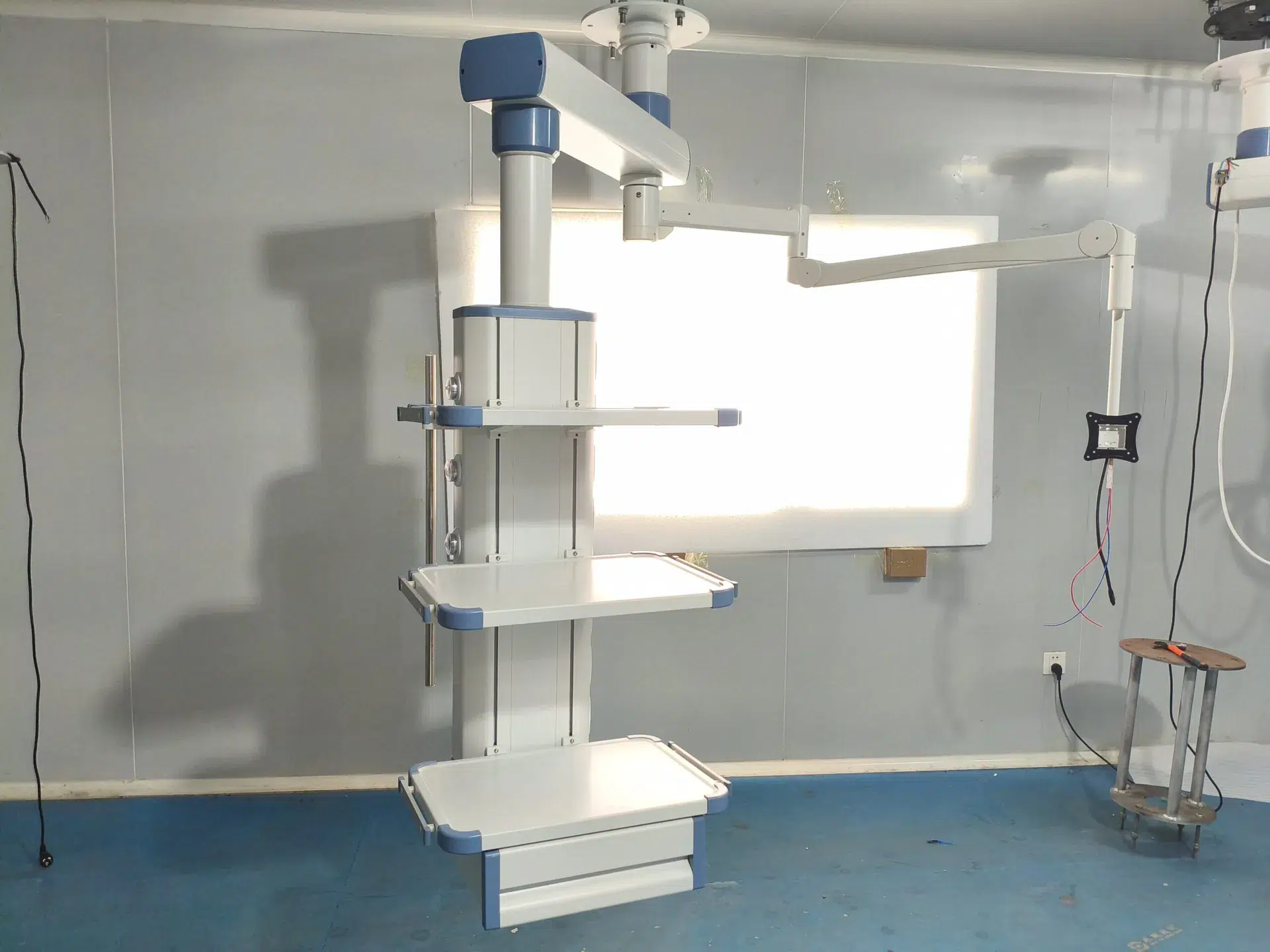
Pendants, carts and the integration layer
Medical pendants carry the utilities — medical gas, power, data — from the ceiling to the point of care, keeping the floor clear and the cables managed. The specification decisions are arm reach and rotation, gas outlet types and counts matching the hospital’s gas system standard, and electrical services including isolated power where the clinical standard requires it. Carts are the mobile half of the integration layer: endoscopy carts carry the processors, monitors and accessories, and their configuration determines how fast a room turns over between procedures — the cart configuration logic we detailed in medical trolley accessories and configurations, with the trolley format trade-offs in dressing versus treatment trolleys. Equipment safety and performance for medical electrical systems follow the IEC 60601 family of standards, the framework documented by the WHO medical devices program, whose guidance references the IEC 60601 series governing medical electrical equipment. The procurement layer wraps all four pillars: the sourcing checklist in hospital equipment procurement checklist keeps the tender file complete.
Video: medical equipment manufacturing
A GI endoscopy room succeeds when four pillars are specified as one system: an articulating table that positions patients for every procedure type, surgical-grade lighting with redundancy, pendants that deliver utilities without floor clutter, and carts that carry the electronics through fast room turnover. Buy the system, verify the standards, and the suite runs at the pace its schedule demands.
You May Also Like...

Bariatric OR Package: Table, Bed and Trolley Coordination
A bariatric OR package coordinates the operating table, the patient bed and the trolley for...

Lumen vs Lux: What These Surgical Light Units Mean
Lumen and lux are not the same thing. Lumen measures the total light a fixture...

Emergency Department Equipment for Trauma, Resuscitation and Triage
An emergency department is built around speed, and its equipment has to be ready the...