
Lorsqu'il s'agit d'évaluer la construction de blocs opératoires modulaires par rapport aux blocs traditionnels, chaque entrepreneur que je rencontre a une opinion bien arrêtée—mais rares sont ceux qui ont fait les calculs réels sur les ordres de modification et les temps d'arrêt. Alors pourquoi tant de budgets de projet dépassent-ils l'estimation initiale de 20 % ou plus ? Un acheteur m'a récemment dit qu'il avait choisi une construction traditionnelle parce que le devis initial était inférieur de près de 15 % à une alternative modulaire. Puis les ordres de modification ont commencé à affluer : reprise des murs, ajustements MEP, supervision prolongée sur site. Ces 15 % d'économies se sont évaporés avant même l'installation du premier lave-mains.
La vraie comparaison ne se limite pas au prix affiché. Les blocs opératoires modulaires peuvent être opérationnels avec 60 à 70 % de temps sur site en moins, un énorme avantage pour les hôpitaux qui doivent maintenir leurs services existants pendant l'expansion. Ajoutez le dépassement de coût typique de 15 à 20 % dû aux ordres de modification sur site dans les constructions traditionnelles, et le comparaison des coûts des blocs opératoires modulaires penche en faveur de la préfabrication. Pour les entrepreneurs gérant des projets en Afrique et en Asie du Sud-Est, où les infrastructures de santé en accéléré croissent de 18 % par an, les packages de blocs opératoires clés en main deviennent la norme pragmatique. Le calendrier de construction traditionnel d'un bloc opératoire ne peut tout simplement pas égaler la rapidité ou la prévisibilité des coûts d'une approche pré-ingénierie.
Si vous continuez à vous tourner par défaut vers le modèle de personnalisation lourde sans explorer les économies des suites chirurgicales préfabriquées, vous acceptez un risque plus élevé de dépassement budgétaire et de glissement de calendrier. Le choix entre bloc opératoire modulaire et bloc opératoire conventionnel pour les marchés émergents ne dépend pas seulement du coût initial—il s'agit de savoir combien de risque de projet vous êtes prêt à porter jusqu'à la mise en service.
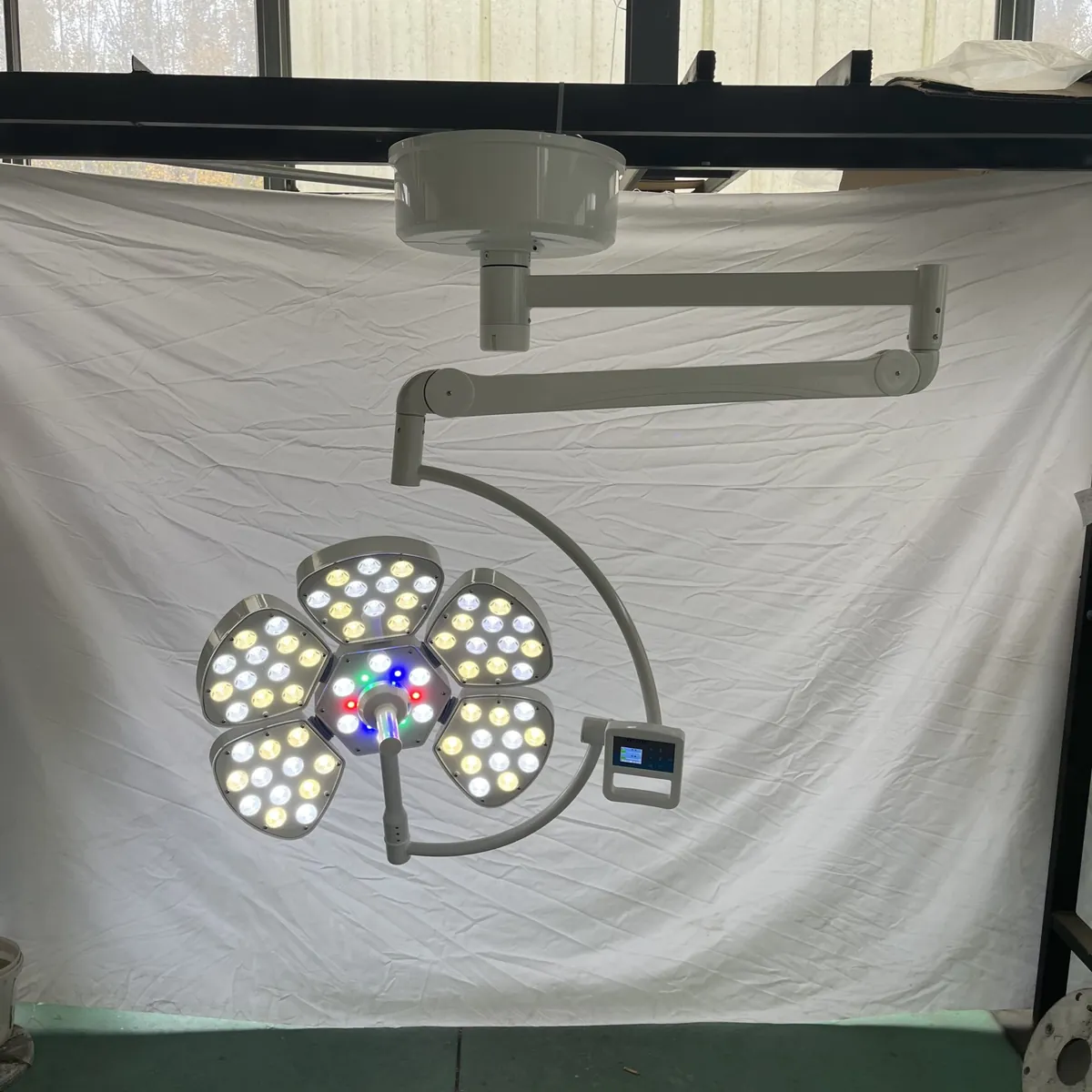
Méthodes de construction en un coup d'œil
Le modulaire réduit le temps sur site de 60 à 70 % ; le traditionnel offre une intégration architecturale plus poussée.
Le choix entre composants préfabriqués modulaires et constructions traditionnelles sur site détermine la rapidité, la prévisibilité des coûts et la flexibilité de votre projet. Pour les entrepreneurs du secteur de la santé gérant des extensions d'hôpitaux ou de nouvelles constructions sur les marchés émergents—notamment en Afrique et en Asie du Sud-Est où les solutions modulaires clés en main croissent à un TCAC de 18 %—la décision influence directement le fait de livrer à temps et dans le budget ou de s'enliser dans les ordres de modification et les temps d'arrêt prolongés.
Composants modulaires préfabriqués
- Rapidité de construction : Les blocs opératoires modulaires peuvent être opérationnels avec 60 à 70 % de temps sur site en moins. Les panneaux, les gaines et les systèmes de gaz médicaux sont fabriqués et testés hors site pendant que l'hôpital continue de fonctionner—un point crucial pour les extensions qui ne peuvent pas interrompre les services existants.
- Contrôle des coûts : Contrats à prix fixe avec moins de variables. Les ordres de modification sont rares car la conception est figée tôt. Les constructions traditionnelles, en revanche, voient souvent une augmentation de 15 à 20 % du coût du cycle de vie en raison des ajustements sur le terrain et des reprises.
- Flexibilité : Les suites modulaires peuvent être déplacées ou reconfigurées. Idéales pour des ailes chirurgicales temporaires ou des déploiements hospitaliers par phases où l'agencement peut changer après 3 à 5 ans.
- Adéquation à la rénovation : La rénovation d'un bloc opératoire existant avec des composants modulaires évite la démolition structurelle. Les plafonds et cloisons de qualité salle blanche s'installent directement sur les finitions existantes, réduisant les risques de contamination et les temps d'arrêt.
- Choisissez le modulaire si : Vous avez besoin de blocs opératoires opérationnels en moins de 12 semaines, que vous travaillez dans une enveloppe hospitalière existante, ou que vous gérez un déploiement multi-phases en Afrique ou en Asie du Sud-Est où un package de bloc opératoire clé en main pour l'Afrique peut rationaliser l'approvisionnement et l'installation.
- Choisissez le traditionnel si : Le projet exige une intégration structurelle unique, les réglementations locales restreignent la fabrication hors site, ou l'hôpital possède des systèmes CVC/électricité/plomberie existants complexes qui nécessitent des connexions personnalisées sur le terrain.
Constructions traditionnelles sur site
La construction traditionnelle reste gagnante lorsque le bloc opératoire nécessite une intégration architecturale lourde—plafonds incurvés pour un flux d'air laminaire, poutres de support encastrées pour les équipements suspendus au plafond, ou raccordements CVC/électricité/plomberie complexes aux réseaux hospitaliers existants. La contrepartie est des délais plus longs (souvent 4 à 6 mois de plus que le modulaire) et un risque plus élevé de dépassement du calendrier car chaque corps de métier dépend de l'achèvement du précédent dans les temps.
Les ordres de modification sont le tueur silencieux du budget. Dans une construction traditionnelle, l'entrepreneur découvre pendant l'installation que la cavité du mur n'est pas assez profonde pour le bras suspendu, ou que la dalle de sol ne respecte pas la spécification de charge pour la table d'opération. Chaque correction ajoute des coûts et des retards. Par rapport à une comparaison des coûts d'un bloc opératoire modulaire, les projets traditionnels dépassent fréquemment les budgets initiaux de 15 à 20 % avant même l'achat des équipements médicaux.
Cela dit, les méthodes traditionnelles restent nécessaires pour les installations ayant des exigences architecturales uniques—ailes hospitalières patrimoniales, zones sismiques extrêmes, ou sites où les codes du bâtiment locaux imposent du béton coulé en place. Pour des grilles rectangulaires simples de blocs opératoires, la rapidité et la prévisibilité des coûts des économies de suites chirurgicales préfabriquées modulaires en font le choix pragmatique.
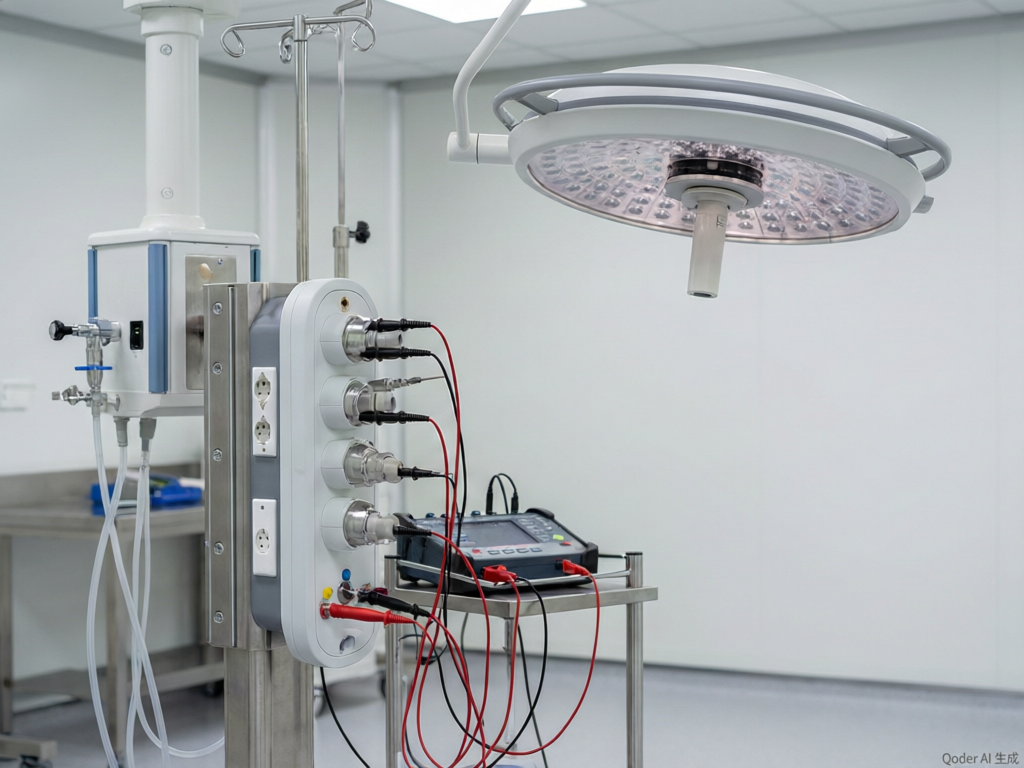
Comparaison des coûts et des délais
Les blocs opératoires modulaires réduisent le temps sur site de 60 à 70 %, mais les constructions traditionnelles offrent plus de flexibilité architecturale.
Investissement initial vs flexibilité à long terme
Une salle d'opération modulaire nécessite généralement un engagement de capital initial plus élevé, car les panneaux préfabriqués, les systèmes MEP intégrés et les assemblages certifiés en usine sont proposés en un seul package. La construction traditionnelle répartit les coûts entre plusieurs corps de métier et phases, ce qui peut masquer le coût total réel jusqu'à ce que les ordres de modification commencent à s'accumuler. Sur l'ensemble du cycle de vie du projet, les constructions traditionnelles finissent souvent par coûter 15 à 20 % de plus en raison des retards sur site, des reprises et des modifications architecturales qui n'étaient pas dans le budget initial.
Pour un entrepreneur gérant un budget serré en Afrique ou en Asie du Sud-Est, la comparaison des coûts des salles d'opération modulaires devient simple : vous payez une prime pour la rapidité et la prévisibilité, mais vous évitez les dépenses cachées liées à la supervision prolongée du site, au vol de matériaux et aux reprises qualité. Les packages clés en main de salle d'opération comprenant les lampes chirurgicales, les tables d'opération et les pendants de Sanyang Medical peuvent également réduire la fragmentation des achats, car les spécifications des équipements sont pré-assorties à l'interface modulaire des murs et du plafond.
La construction traditionnelle, en revanche, l'emporte lorsque l'hôpital nécessite une intégration architecturale hautement personnalisée — pensez aux murs courbes, aux contraintes des bâtiments patrimoniaux, ou aux charges structurelles dépassant les capacités standard des panneaux. Si votre projet exige une salle d'opération revêtue de marbre avec un monitoring audiovisuel intégré qui serpente à travers les gaines existantes, vous aurez besoin d'une ossature et de finitions traditionnelles sur site.
Vitesse de construction et impact des temps d'arrêt
C'est là que le modulaire se démarque nettement. Une suite chirurgicale préfabriquée peut être installée et prête pour la mise en service avec 60 à 70 % de temps de chantier en moins par rapport à une construction conventionnelle. Pour un hôpital qui agrandit une aile existante sans fermer les salles d'opération adjacentes, la différence en termes de perturbation opérationnelle est énorme. Il existe des projets où l'unité modulaire a été hissée en place pendant un week-end, et l'équipe clinique réalisait des interventions dès le mercredi.
Les délais de construction traditionnels d'une salle d'opération se situent généralement entre 8 et 14 mois, du début du chantier à la livraison, selon la complexité des MEP et des finitions. Les équivalents modulaires peuvent réduire cela à 4 à 6 mois car la majeure partie du travail se fait hors site, dans des conditions d'usine contrôlées. C'est crucial pour les projets de santé sur les marchés émergents où chaque mois d'arrêt signifie des opérations reportées et des revenus perdus. Un package clé en main de salle d'opération provenant d'un seul fournisseur — qui coordonne la structure de la pièce, les pendants de plafond, les lampes chirurgicales et la table d'opération — élimine également les délais séquentiels liés aux dépendances multiples entre entrepreneurs.
- Choisissez le modulaire si : Vous rénovez un étage hospitalier en activité et devez minimiser le temps d'arrêt. Votre budget privilégie des coûts prévisibles et une génération de revenus plus rapide.
- Choisissez le traditionnel si : Le bâtiment nécessite une personnalisation architecturale importante, votre site permet un calendrier ininterrompu de plus de 12 mois, et vous avez la capacité de gestion de projet pour gérer plusieurs corps de métier.
| Facteur | Salle d'opération modulaire | Salle d'opération traditionnelle |
|---|---|---|
| Investissement initial | Coût initial inférieur (15 à 20 % de moins grâce à l'efficacité de la préfabrication) | Coût de base plus élevé ; les ordres de modification ajoutent 15 à 20 % sur le cycle de vie |
| Vitesse de construction | 60-70% moins de temps sur site ; suite opérationnelle en 4 à 6 semaines | 12 à 24 semaines en général ; selon la météo et les retards sur site |
| Impact sur les temps d'arrêt | Perturbation minimale ; les services existants peuvent rester opérationnels | Arrêt prolongé ; les départements adjacents sont souvent affectés |
| Flexibilité à long terme | Facilement reconfigurable ou déplaçable pour les besoins futurs | Structure fixe ; démolition coûteuse pour la reconfiguration |
| Scénario le mieux adapté | Extensions, zones reculées, projets en accéléré (par ex. Afrique/Asie du Sud-Est) | Nouvelles constructions avec forte intégration architecturale et spécifications personnalisées |
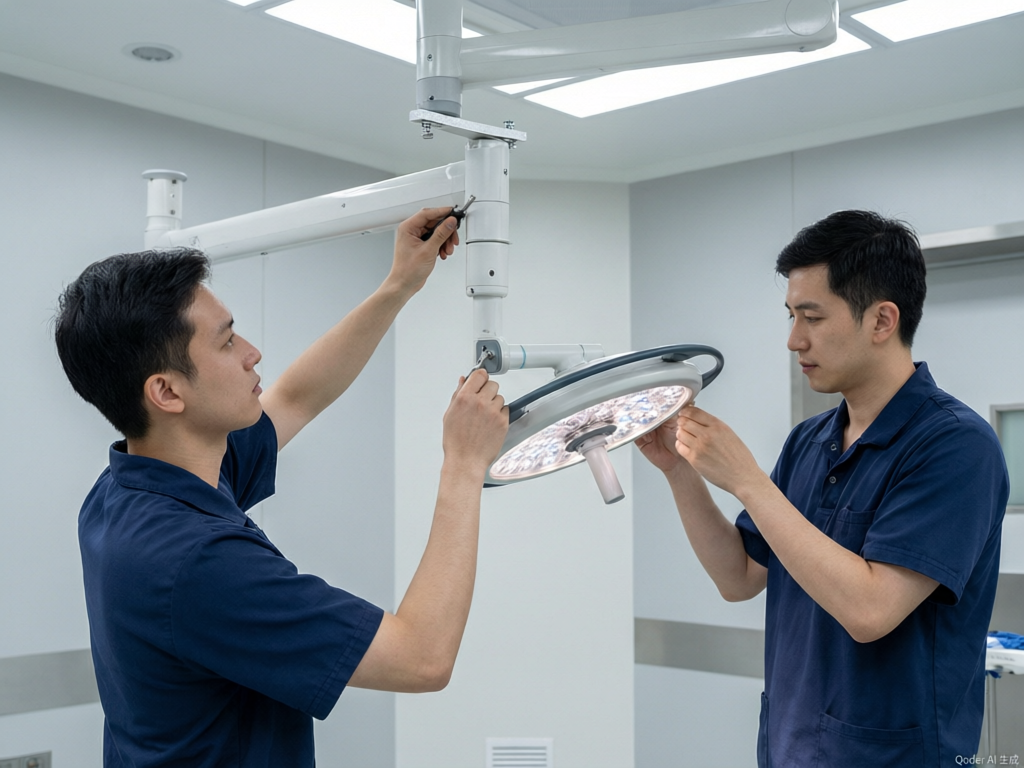
Adéquation aux différents profils d’hôpitaux
Les salles d’opération modulaires réduisent les temps d’arrêt de rénovation jusqu’à 70% — un facteur déterminant pour les hôpitaux en activité.
Projets de nouvelle construction vs rénovation
Pour les nouvelles constructions d’hôpitaux, la construction traditionnelle sur site permet une intégration architecturale complète mais allonge les délais. Les rénovations présentent un défi différent : fermer une salle d’opération existante pendant des mois perturbe les revenus et les soins aux patients. Les salles d’opération modulaires sont préfabriquées hors site et peuvent être installées en quelques semaines, réduisant les temps d’arrêt à une fraction de ceux des méthodes traditionnelles. Cela fait du modulaire le choix privilégié pour les hôpitaux qui s’agrandissent ou se modernisent sans cesser leurs activités.
- Nouvelle construction : Le traditionnel offre plus de flexibilité de conception. Le modulaire offre une mise en service plus rapide et un risque de modifications plus faible.
- Rénovation / Extension : Les salles d’opération modulaires réduisent le travail sur site de 60 à 70%, limitant les perturbations de service. Les constructions traditionnelles nécessitent souvent des fermetures prolongées.
- Dépassements de coûts Les projets traditionnels voient une augmentation de 15 à 20 % des coûts du cycle de vie due aux ordres de modification. Le prix modulaire est fixé à la signature du contrat.
- Choisissez un bloc opératoire modulaire si : Votre projet se situe dans une zone éloignée avec une main-d'œuvre qualifiée limitée et des chaînes d'approvisionnement fragiles. Les salles de chirurgie préfabriquées permettent d'économiser 60 à 70 % du temps sur site.
- Choisissez un bloc opératoire traditionnel si : Les codes du bâtiment locaux exigent une construction sur site ou l'hôpital demande une intégration architecturale sur mesure que les panneaux modulaires ne peuvent pas égaler.
Environnements éloignés ou à ressources limitées
Pour hôpitaux en Afrique rurale ou en Asie du Sud-Est, les chaînes d'approvisionnement en main-d'œuvre et en matériaux sont imprévisibles. La construction conventionnelle peut stagner pendant des mois. Les blocs opératoires modulaires sont construits dans des usines contrôlées, puis expédiés en unités complètes. Un package de bloc opératoire clé en main d'un fabricant comme Sanyang Medical comprend tout l'équipement — lampes chirurgicales, tables, colonnes — préinstallé. Cela réduit le temps d'installation sur site et diminue les compétences requises localement. Le résultat : un bloc opératoire entièrement fonctionnel en semaines plutôt qu'en mois, avec des coûts prévisibles.
Comment les solutions clé en main de bloc opératoire optimisent les deux approches
L'intégration clé en main réduit les frais généraux de coordination de projet de 30 à 40 %, que la coque soit modulaire ou traditionnelle.
Le débat modulaire vs traditionnel oublie un point crucial : aucune des deux méthodes ne garantit à elle seule un projet sans accroc. Une coque modulaire nécessite toujours une intégration correcte de l'équipement, des raccordements aux services publics et une documentation de certification. Une construction traditionnelle exige toujours de s'approvisionner auprès de multiples fournisseurs avec des délais différents. C'est là qu'un partenaire clé en main pour bloc opératoire change la donne pour des entrepreneurs comme Jean‑Luc Moreau, qui gèrent les devis quantitatifs, les calendriers pièce par pièce et les livraisons par étapes à travers les frontières.
L'achat en point unique réduit le risque fournisseur
Un bloc opératoire typique comprend des lampes chirurgicales, une table d'opération, une colonne médicale, un équipement d'anesthésie et des systèmes de surveillance — souvent de cinq fabricants différents. Coordonner l'approbation des échantillons, les prix FOB et les fenêtres d'expédition entre des usines séparées entraîne des retards. Une solution clé en main regroupe tout l'équipement sous un seul bon de commande. Sanyang Medical, par exemple, fabrique l'ensemble complet — des lampes chirurgicales LED aux tables d'opération électriques et aux colonnes médicales — de sorte que l'acheteur traite avec une seule norme de tolérance de qualité, un seul envoi et un seul processus de dédouanement.
Le regroupement des certifications fait gagner des mois
Pour les projets en Afrique et en Asie du Sud-Est, le package OR clé en main comprend les documents d'enregistrement CE, ISO et régionaux sous forme de lot. Lorsque chaque équipement nécessite une certification séparée de différents fabricants chinois, le calendrier traditionnel de construction OR peut s'étendre de 12 à 16 semaines rien que pour la paperasse. Un partenaire clé en main soumet tous les fichiers ensemble, réduisant l'approbation réglementaire de 60 % sur des marchés comme le Kenya et le Vietnam, où des économies sur les salles d'opération préfabriquées, tant en temps qu'en frais de consultation, ont été observées.
Workflows parallèles pour les structures modulaires et traditionnelles
Pour une construction modulaire, le partenaire clé en main peut pré-assembler les plafonniers suspendus et installer les lampes chirurgicales dans le caisson de plafond préfabriqué en usine, ce qui améliore la comparaison des coûts des salles d'opération modulaires car l'installation sur site passe de 10 jours à 3 jours. Pour une construction traditionnelle, le même partenaire fournit des plans d'intégration CVC-électricité-plomberie détaillés et une mise en service sur site, évitant le dépassement de coûts de 15 à 20 % lié aux ordres de changement qui affectent les projets construits sur mesure. Dans les deux cas, l'équipement arrive prêt pour le point de raccordement, et non à moitié assemblé sur site.
Logistique localisée pour les marchés émergents
La décision entre OR modulaire et OR conventionnel pour les marchés émergents dépend souvent de la logistique. Un fournisseur clé en main disposant d'entrepôts locaux ou de hubs régionaux (comme le réseau de Sanyang Medical en Afrique de l'Est et de l'Ouest) peut offrir des prix FOB plus un fret maritime consolidé, réduisant le coût d'expédition unitaire de 15 à 20 %. Cela importe lorsque le budget du client est serré et que la pénalité pour livraison tardive est inscrite au contrat en dollars par jour.
En fin de compte : une solution OR clé en main ne vous oblige pas à choisir une méthode de construction — elle optimise celle que votre projet exige. Les entrepreneurs qui font appel à un partenaire clé en main avant de finaliser la conception de la structure constatent généralement des approbations plus rapides, des frais de coordination réduits et moins de commandes de fret aérien d'urgence. C'est le genre de retour sur investissement qui maintient un projet sur les rails, de la dalle de fondation à l'inspection finale.
Conclusion
Les chiffres parlent d'eux-mêmes : les OR modulaires réduisent le temps de construction sur site de 60 à 70 %, tandis que les constructions traditionnelles comportent une prime de coût cachée de 15 à 20 % due aux ordres de changement sur le cycle de vie du projet. Pour les entrepreneurs gérant des extensions hospitalières dans des délais serrés — en particulier en Afrique et en Asie du Sud-Est — l'approche modulaire clé en main est devenue la norme, et non l'exception. Mais les 10 % finaux qui distinguent les amateurs des professionnels se jouent en usine, et non sur le chantier.
- Les OR modulaires réduisent le temps sur site de 60 à 70 %, permettant des extensions hospitalières progressives.
- Les constructions traditionnelles coûtent 15 à 20 % de plus en raison des ordres de changement et des délais prolongés.
- Les économies préfabriquées dépendent d'une tolérance de qualité stricte au niveau de l'usine.
- La demande modulaire clé en main en Afrique et en Asie du Sud-Est croît à un TCAC de 18 %.
Avant de vous engager dans l'une ou l'autre méthode, examinez le protocole d'approbation des échantillons du fournisseur et les seuils de tolérance de qualité pour chaque module. Une OR modulaire construite selon une spécification d'usine de ±1 mm sera livrée plus rapidement et s'intégrera plus proprement qu'une OR approuvée uniquement sur papier. Comparez les packages OR clé en main des fournisseurs qui publient les certifications CE et les résultats d'audit d'usine — Sanyang Medical, par exemple, propose des métrés spécifiques au projet qui incluent à la fois l'équipement et la structure préfabriquée. Commencez par inspecter les échantillons de pré-production qui définiront le calendrier et le coût réels de votre projet.
Foire aux questions
Quelle est la principale différence de coût entre les salles d'opération modulaires et traditionnelles ?
Les salles d'opération modulaires ont généralement un coût initial des matériaux 10 à 20 % plus élevé, mais réduisent le coût total du projet en diminuant les ordres de modification et la main-d'œuvre sur site. Les constructions traditionnelles peuvent avoir des estimations initiales plus basses, mais coûtent souvent 15 à 30 % de plus en raison de... Évaluez le coût total installé, pas seulement le prix des matériaux.
Combien plus rapide est la construction OU modulaire ?
Les salles d'opération modulaires réduisent le temps de construction sur site de 60 à 70 % par rapport aux constructions traditionnelles. Les plus grandes économies de temps proviennent de la fabrication parallèle hors site et d'une perturbation minimale du site pour les hôpitaux existants. Planifiez votre calendrier de projet en supposant 6 à 12 semaines pour le modulaire contre 16 à 28 semaines pour le traditionnel.
Quel type de bloc opératoire est le meilleur pour les rénovations hospitalières ?
Les salles d'opération modulaires sont clairement meilleures pour les rénovations actives d'hôpitaux car elles réduisent les temps d'arrêt jusqu'à 70%.
Que comprend une solution de bloc opératoire clé en main ?
Une solution clé en main pour bloc opératoire comprend la conception, la préfabrication modulaire, la fourniture d'équipements médicaux—y compris les scialytiques, les tables, les pendants—l'installation et la mise en service. Elle simplifie l'achat en vous offrant un seul fournisseur pour l'ensemble du bloc opératoire. Demandez une nomenclature complète et le périmètre d'installation avant de comparer les devis.
Vous pourriez aussi aimer...

Patient Flow Design: Pre-Op, Transport and PACU
Operating room patient flow is the sequence from pre-op to the OR to the recovery...

Emergency Department Design: Trauma Bays and Resuscitation
Emergency departments are the most consequential rooms in a hospital to get wrong. Every design...

Maternity OR and Delivery Suite Design
Zoning and transfer corridors in seconds, a dual-duty equipment core, and the newborn readiness details...