
Una diferencia de capacidad de carga de 30 kg puede no parecer mucho, hasta que un carro de paro totalmente abastecido se dobla en su primera respuesta de código. Por eso una lista de verificación estructurada para la compra de carros hospitalarios no es una formalidad; es la diferencia entre un carro que funciona de manera fiable y uno que termina como un costoso mueble de almacenamiento.
Se sabe que las clínicas pierden dinero real porque la producción en serie no coincidía con la muestra de preproducción. Las correderas de los cajones parecían endebles, los seguros de las ruedas se atascaron al cabo de un mes, y el proveedor no tenía interés en aceptar la devolución. Una lista de verificación que incluyera la aprobación de muestras y las condiciones de precio FOB habría detectado esos problemas antes de que el contenedor saliera de la fábrica.
Los diez puntos de evaluación que siguen son los que se han utilizado en una docena de auditorías de fábrica y comparaciones de proveedores. Te obligan a mirar más allá del folleto de marketing y a examinar los detalles reales de fabricación, desde la carga de los rodamientos de los cajones hasta la carga del contenedor para envíos internacionales.
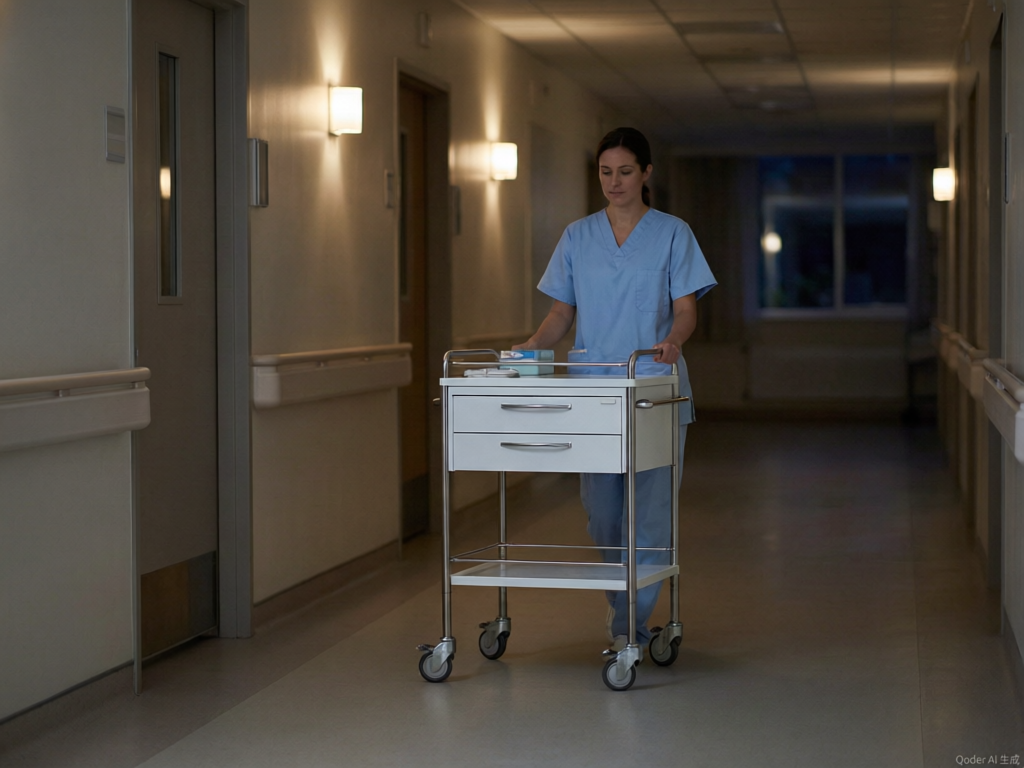
Antes de cotizar: 3 preguntas que definen el carro que necesitas
Una lista de verificación estructurada reduce las devoluciones posteriores a la compra en casi un 40 %.
La mayoría de los directores de clínicas empiezan pidiendo un precio. Eso es un error. La primera pregunta no es cuánto cuesta, sino qué hará realmente este carro durante un turno. He visto pedidos de ¥50 000 salir mal porque el comprador pidió carros de tratamiento cuando lo que necesitaba eran carros de paro con cajones profundos para almacenar el desfibrilador. La diferencia no es solo la etiqueta; cambia las especificaciones de carga, la profundidad de los cajones y los rieles de accesorios.
Tres tipos de carros, tres pliegos de especificaciones diferentes
Un carro de emergencias transporta equipos pesados: desfibrilador, unidad de aspiración, monitor. Necesita ruedas reforzadas con una capacidad de 150 kg o más y cajones de servicio profundos que puedan contener los paquetes de medicamentos sin atascarse. Un carro de tratamiento normalmente contiene suministros para el cuidado de heridas, instrumentos pequeños y ropa de cama. Es más ligero, pero requiere más compartimentos en los cajones y una superficie de trabajo lavable. Un carro de medicamentos se centra en el acceso seguro: cajones con llave, soportes para escáner de código de barras y ranuras organizadas para viales. Cada caso de uso exige diferentes diámetros de rueda, cargas de rodamiento de los cajones y compatibilidad de accesorios.
El costo oculto de una elección incorrecta
Los cajones de cierre suave no son una mejora de lujo: en una respuesta de código, un cajón cerrado de golpe puede romper los viales de vidrio. Ese es un costo oculto que se manifiesta como inventario dañado y tratamiento retrasado. Las clínicas que utilizan una lista de verificación estructurada antes de cotizar reducen las devoluciones en casi un 40 % porque eliminan estos desajustes a tiempo. Si estás evaluando a un proveedor, solicita un video de auditoría de fábrica para verificar el cumplimiento de la ISO 13485 sin un viaje transfronterizo. Sanyang Medical proporciona dichos videos a petición, ahorrándote viajes y confirmando la calidad de construcción.
Mapea primero tus salas de procedimientos: ¿atiendes códigos en el pasillo? ¿Las enfermeras llevan medicamentos en bandejas? ¿Tu sala de tratamiento funciona también como cuarto de almacenamiento? Responde esas tres preguntas antes de abrir una cotización. El carro que se adapta al flujo de trabajo actual durará más de tres ciclos presupuestarios.

Lista de verificación de evaluación de carros en 10 puntos
Una lista de verificación estructurada reduce las devoluciones de carros en casi un 40 %: detecta los desajustes de especificaciones antes de comprar.
Al evaluar un carro hospitalario, 10 factores separan a un caballo de batalla confiable de una frustración que queda sin uso en el rincón. Esta lista de verificación convierte una RFQ compleja en una hoja de puntuación. Úsela para comparar cada proveedor lado a lado.
1. Capacidad de carga y tipo de rueda
- Capacidad de carga: La mayoría de los carros de tratamiento soportan 50–80 kg. Los carros de emergencia necesitan 150+ kg para un desfibrilador y un soporte de monitor. Solicite la carga nominal en extensión completa — ese es el límite real.
- Tipo de rueda: Las ruedas con freno en las cuatro esquinas son estándar. Para carros que se mueven entre salas, especifique ruedas de 100 mm de diámetro con frenos direccionales. Evite las ruedas de nylon baratas — desarrollan puntos planos en seis meses.
2. Carga de los rodamientos de los cajones y función de cierre suave
Los cajones transportan viales, instrumentos y suministros en cada turno. Verifique la carga del rodamiento — 15–25 kg por cajón es típico. Los mecanismos de cierre suave evitan la rotura de viales de vidrio durante el cierre rápido de cajones en respuestas de código. Ese costo oculto por sí solo a menudo justifica la mejora.
3. Compatibilidad del riel de accesorios
El carro debe aceptar soportes IV estándar, estantes para desfibrilador y cestas laterales. Busque rieles de aluminio continuos o canales de montaje ranurados. Solicite al proveedor una lista de accesorios compatibles y confirme que están incluidos en la cotización — de lo contrario, paga flete por separado.
4. Material y limpiabilidad de la superficie
Se prefiere acero inoxidable grado 304 para carros expuestos a líquidos. El acero pintado se astilla con el tiempo, exponiendo puntos de óxido. Verifique que las superficies horizontales sean sin costuras y que las esquinas estén soldadas y lisas — las bacterias se esconden en las grietas. La fácil limpiabilidad afecta directamente el cumplimiento del control de infecciones.
5. Documentación de certificación (CE, ISO)
Para el marcado CE, el carro debe cumplir con el Reglamento de Dispositivos Médicos (MDR) o la directiva relevante. La ISO 13485 cubre el sistema de gestión de calidad. Fabricantes de buena reputación como Sanyang Medical proporcionan estos certificados bajo solicitud. No acepte ‘certificado’ sin un número de documento que pueda verificar en línea.
6. Garantía y disponibilidad de piezas de repuesto
Una garantía de 2 años es la línea base; 3 a 5 años es común en carros bien construidos. Pregunte si las ruedas, manijas y correderas de cajones están disponibles localmente o necesitan enviarse por vía aérea. La disponibilidad de repuestos afecta directamente el tiempo de inactividad: una semana sin un carro puede interrumpir el flujo de trabajo de la clínica.
7. Opciones de personalización
Si necesita un color, logotipo o distribución de cajones personalizados, verifique el MOQ y el plazo de entrega. Muchos fabricantes chinos ofrecen personalización OEM; Sanyang Medical es un ejemplo que proporciona servicios OEM/ODM para carros hospitalarios. Confirme estos detalles por escrito antes de realizar el pedido.
8. Empaque y carga de contenedores para pedidos internacionales
Los carros deben envolverse individualmente en plástico de burbujas y empaquetarse en cajas con esquinas de espuma. Solicite una lista de empaque y fotos antes del envío. Confirme las dimensiones de las cajas para evitar desperdiciar espacio en el contenedor. Un contenedor de 20 pies suele contener de 40 a 60 carros ensamblados, según el tamaño.
9. Sitios de referencia o disponibilidad de auditoría de fábrica
Un video de auditoría de fábrica puede verificar la capacidad de producción sin necesidad de viajar. Solicite un recorrido que muestre la línea de ensamblaje, la estación de soldadura y la inspección de calidad. Si el proveedor duda, considérelo una señal de alerta. También puede solicitar referencias de clínicas similares a la suya.
10. Costo total, incluidos flete y aranceles
El costo total —precio FOB más flete marítimo, seguro, aranceles aduaneros y manejo portuario— es el precio real. Muchas clínicas pasan por alto los aranceles. Obtenga una cotización DDP o CIP si es posible. Un carro a $300 FOB puede terminar costando $420. Compare los costos totales, no solo el precio unitario.
Califique a cada proveedor de 10 en cada criterio. Duplique el peso de los puntos críticos: capacidad de carga, certificación y repuestos. El proveedor con el puntaje total más alto es su mejor opción, y rara vez es el precio FOB más bajo.
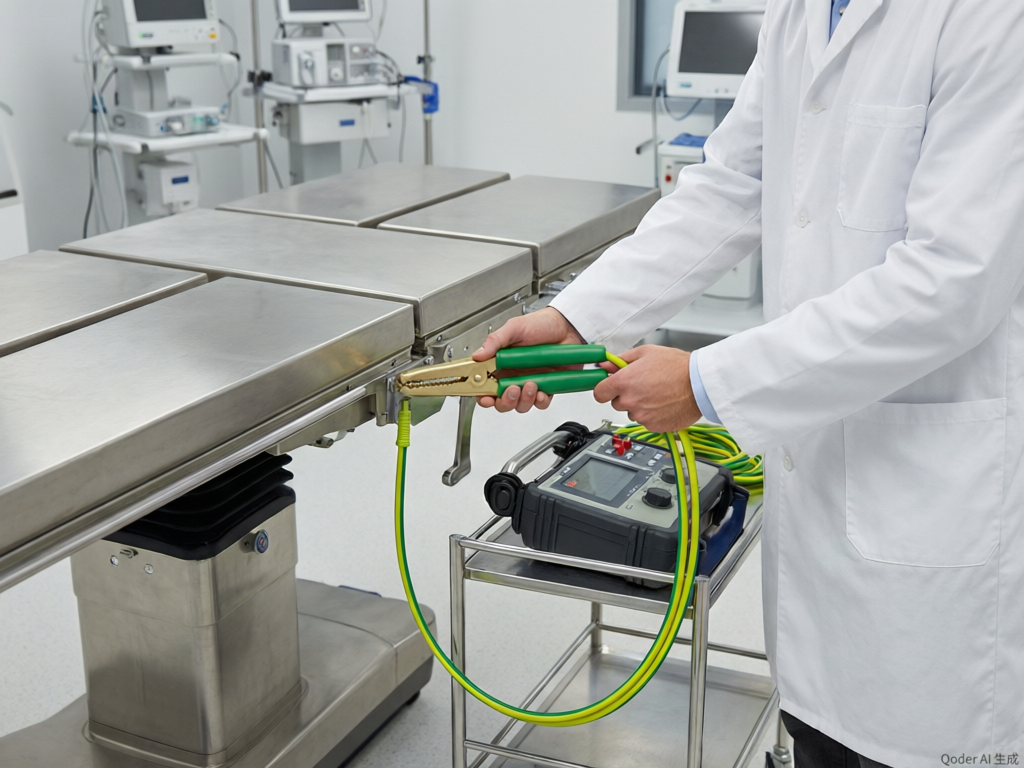
Cómo calificar objetivamente a múltiples proveedores
Pondere según la seguridad del paciente y el cumplimiento normativo, no solo por el precio.
Cómo separar lo imprescindible de lo que es bueno tener
Tiene diez características en su lista de verificación. Ahora asigne a cada una un peso de 1 a 5 según su impacto en las operaciones diarias de la clínica y la seguridad del paciente. Un sistema de puntuación estructurado reduce las devoluciones posteriores a la compra en casi 40% porque elimina los desajustes de especificaciones antes de firmar la orden de compra.
Para el director de una clínica privada, el mayor peso corresponde a las características que afectan la respuesta a códigos, el control de infecciones y el cumplimiento normativo. Todo lo demás es negociable.
- Crítico (peso 5): Capacidad de carga y tipo de rueda – Un carro que se vuelca durante una emergencia es un riesgo. Cajones con cierre suave – no son un lujo; evitan la rotura de viales de medicamentos cuando tomas suministros rápidamente. Documentación de certificación (CE, ISO) – sin ella, su clínica no pasa la inspección. Limpieza del material y las superficies – las superficies porosas albergan bacterias y violan los protocolos de higiene. Garantía y disponibilidad de repuestos – una rueda rota puede dejar el carro inactivo durante semanas.
- Importante (peso 4): Compatibilidad con riel de accesorios – necesaria para soportes de suero y estantes para desfibrilador si su flujo de trabajo los requiere. Sitios de referencia o video de auditoría de fábrica – un clip de cinco minutos del piso del proveedor le permite verificar el cumplimiento de la norma ISO 13485 sin comprar un boleto de avión. (Sanyang Medical, por ejemplo, brinda soporte de certificación y puede compartir imágenes de la auditoría a pedido.).
- Nice-to-have (peso 2–3): Opciones de personalización: los complementos de color y accesorios ayudan con la marca, pero no cambian el rendimiento clínico. Embalaje y carga de contenedores: importante para el costo de flete, pero un proveedor confiable lo maneja automáticamente. Costo total incluido el flete: haga los cálculos, pero nunca permita que un precio bajo anule una característica crítica faltante.
Cree su tabla de puntuación de proveedores en una tarde
Cree una hoja de cálculo simple con los proveedores como filas y las diez características como columnas. Multiplique el peso de cada característica por su satisfacción (1–5) para ese proveedor. Sume las puntuaciones. Cualquier proveedor que obtenga una puntuación inferior a 3 en una característica crítica debe ser eliminado, a menos que acepte una mejora por escrito.
Una dura verdad: si un proveedor no puede presentar un video de auditoría de fábrica o un certificado CE, no es un socio para un director de clínica que teme los costos ocultos y el abandono posterior a la venta. Cíñase a fabricantes como Sanyang Medical que ofrecen personalización de carros hospitalarios OEM y soporte completo de certificación: así es como evita quemarse.

Conclusión
Si omite esta lista de verificación, corre el riesgo de pedir un carro de $2,000 que chirría bajo carga, deja caer viales en el primer código y no coincide con los protocolos de limpieza de su clínica en ocho meses. Eso no es solo un costo de reemplazo: es tiempo de capacitación perdido, flujos de trabajo interrumpidos y un proveedor que no responde correos electrónicos en el segundo pedido. Las clínicas que dedican 30 minutos a calificar proveedores objetivamente reducen las devoluciones en casi 40%, y esa cifra se multiplica cada año que estandariza su adquisición.
- Las listas de verificación estructuradas reducen las devoluciones de carros posteriores a la compra en casi 40% al eliminar los desajustes de especificaciones.
- Los cajones de cierre suave evitan la rotura de viales de medicamentos durante las respuestas de emergencia: un costo oculto que a menudo se pasa por alto.
- Solicite un video de auditoría de fábrica para verificar el cumplimiento de la ISO 13485 sin gastos de viaje.
- El costo total de importación incluye flete, aranceles y repuestos, no solo el precio FOB.
Ahora tiene un marco de lenguaje sencillo y puntuable que extrae diferencias de calidad reales (cargas de rodamientos de cajones, facilidad de limpieza, plazos de aprobación de muestras) de un montón de cotizaciones de aspecto idéntico. Siguiente paso: introduzca sus características imprescindibles en la columna de peso y evalúe a sus proveedores preseleccionados con los puntos 1‑10. Cuando esté listo para comparar con un fabricante certificado que fabrica según ISO 13485 con tolerancia de calidad documentada, explore la gama de equipos hospitalarios de Sanyang Medical para carros, camas y soluciones integrales de quirófano.
Preguntas Frecuentes
¿Qué capacidad de carga necesito para un carro de hospital?
Para un carro de paro completamente equipado, apunte a una capacidad de carga segura de al menos 50 kg; los carros de tratamiento pueden funcionar con 30–40 kg. Siempre verifique la clasificación de carga con el tipo de rueda. Iguale la capacidad de carga a la configuración más pesada completamente cargada que espere.
¿Qué certificaciones debe tener un carro de hospital?
Como mínimo, el carro debe contar con el marcado CE (si ingresa a Europa) y la certificación ISO 13485 para el proceso de fabricación. Solicite al proveedor una copia del certificado, no solo un logotipo en el producto. Pida el archivo de certificado real, no solo una etiqueta de marketing.
¿Cómo califico objetivamente a múltiples proveedores de carritos?
Use una matriz ponderada que dé la puntuación más alta a certificaciones, capacidad de carga y disponibilidad de repuestos, luego menor peso a accesorios y opciones de color. Esto evita que elijas un carro de bajo costo. Aplique la misma puntuación a cada cotización antes de comparar el precio.
¿Puedo personalizar los colores y accesorios del carro hospitalario?
Sí, la mayoría de proveedores OEM chinos como Sanyang Medical ofrecen colores personalizados, accesorios de poste IV y configuraciones de cajones como parte de un programa ODM. Sin embargo, la personalización típicamente aumenta el MOQ y el plazo de entrega. Confirme el impacto en el MOQ y el plazo de entrega antes de fijar la especificación personalizada.
For the complete range of options and a specification sheet on Medical Trolleys, see our Carros médicos product guide.
También te puede interesar...

Pricing Your Imported Equipment as a Distributor
A distributor’s price is not the factory price plus a flat markup. It is the...

Container Loading Plans: Volume and Cargo Protection
Container loading plans for medical equipment are the packing and stowage layout that decides how...

Budgeting for Installation and Training Costs
The invoice price of medical equipment is the smaller half of its cost. The larger...