
قد لا يبدو فارق سعة التحميل البالغ 30 كجم كبيرًا — حتى تنحني عربة الطوارئ المكدسة بالكامل أثناء أول استجابة إنعاش. لهذا السبب فإن قائمة مراجعة منظمة لشراء عربات المستشفيات ليست إجراءً شكليًا؛ بل هي الفرق بين عربة تعمل بشكل موثوق وأخرى تنتهي كأثاث تخزين باهظ الثمن.
من المعروف أن العيادات خسرت أموالًا حقيقية لأن خط الإنتاج الضخم لم يطابق العينة ما قبل الإنتاج. بدت منزلقات الأدراج رخيصة، وتعطلت أقفال العجلات خلال شهر، ولم يكن لدى المورد أي اهتمام باستعادة البضاعة. كانت قائمة المراجعة التي تتضمن الموافقة على العينة وشروط التسعير FOB ستكشف هذه المشكلات قبل مغادرة الحاوية للمصنع.
نقاط التقييم العشر التالية هي تلك المستخدمة في أكثر من اثنتي عشرة عملية تدقيق للمصانع ومقارنات بين الموردين. إنها تجبرك على النظر إلى ما هو أبعد من الكتيب التسويقي وإلى تفاصيل التصنيع الفعلية — من تحمل محامل الأدراج إلى تحميل الحاويات للشحنات الدولية.
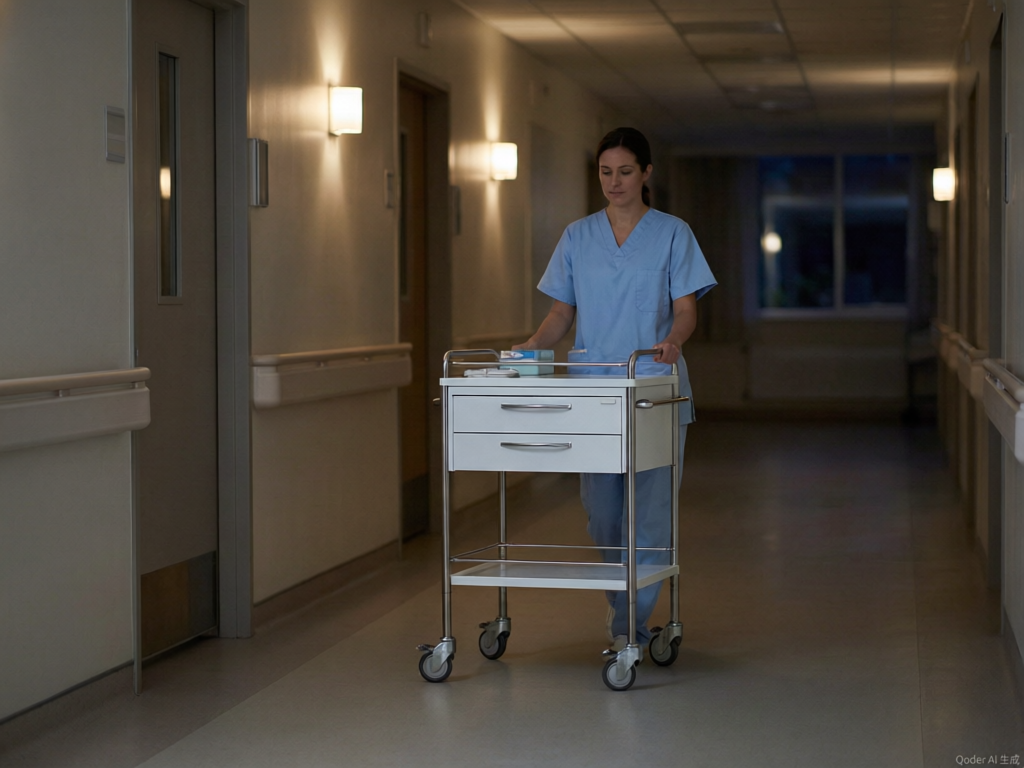
قبل أن تطلب عرض السعر: 3 أسئلة تحدد العربة التي تحتاجها
قائمة المراجعة المنظمة تقلل مرتجعات ما بعد الشراء بنحو 40%.
يبدأ معظم مديري العيادات بطلب السعر. هذا خطأ. السؤال الأول ليس كم التكلفة — بل ما الذي ستفعله هذه العربة فعليًا أثناء الوردية؟ لقد شاهدت طلبات بقيمة 150,000 دولار تسير بشكل خاطئ لأن المشتري طلب عربات علاج عندما كان ما يحتاجه عربات طوارئ بأدراج عميقة لتخزين مزيل الرجفان. الفرق ليس مجرد تسمية؛ إنه يغير مواصفات الحمولة، وعمق الأدراج، وقضبان الملحقات.
ثلاثة أنواع من العربات، ثلاث أوراق مواصفات مختلفة
عربة الطوارئ تحمل معدات ثقيلة — مزيل الرجفان، وحدة الشفط، جهاز المراقبة. تحتاج عجلات معززة مصممة لتحمل 150 كجم+ وأدراج تخزين عميقة يمكنها حمل عبوات الأدوية دون انحشار. عربة العلاج تحمل عادةً مستلزمات العناية بالجروح والأدوات الصغيرة والبياضات. حمولة أخف، لكنها تتطلب المزيد من حجيرات الأدراج وسطح عمل قابل للتنظيف. عربة الأدوية تركز على الوصول الآمن — أدراج قابلة للقفل، وحوامل لماسح الباركود، وأماكن منظمة للقوارير. كل حالة استخدام تتطلب أقطار عجلات مختلفة، وأحمال تحمل للأدراج، وتوافق ملحقات مختلف.
التكلفة الخفية للمطابقة الخاطئة
الأدراج ذات الإغلاق الناعم ليست ترقية فاخرة — أثناء استجابة الإنعاش، يمكن للدرج المُغلق بعنف أن يحطم القوارير الزجاجية. هذه تكلفة خفية تظهر كمخزون تالف وعلاج مؤجل. العيادات التي تستخدم قائمة مراجعة منظمة قبل طلب عرض السعر تقلل المرتجعات بنحو 40% لأنها تلغي هذه التطابقات الخاطئة مبكرًا. إذا كنت تقيّم موردًا، فاطلب فيديو تدقيق المصنع للتحقق من الامتثال لمعيار ISO 13485 دون رحلة عابرة للحدود. توفر شركة Sanyang Medical هذه الفيديوهات عند الطلب، مما يوفر عليك السفر مع تأكيد جودة التصنيع.
حدد غرف الإجراءات أولًا — هل تقومون بالإنعاش في الممر؟ هل يحمل الممرضون الأدوية على صواني؟ هل غرفة العلاج لديكم مزدوجة كغرفة تخزين؟ أجب عن هذه الأسئلة الثلاثة قبل فتح عرض السعر. العربة التي تناسب سير العمل الحالي ستتحمل ثلاث دورات ميزانية قادمة.

قائمة مراجعة تقييم العربات من 10 نقاط
قائمة المراجعة المنظمة تقلل مرتجعات العربات بنحو 40% — اكتشف عدم تطابق المواصفات قبل الشراء.
عند تقييم عربة مستشفى، هناك 10 عوامل تفصل بين أداة عمل موثوقة وبين مصدر إحباط يظل مهملاً في الزاوية. هذا الدليل يحوّل طلب عرض أسعار معقدًا إلى ورقة قابلة للتسجيل. استخدمه لمقارنة كل مورد جنبًا إلى جنب.
1. سعة التحميل ونوع العجلات
- سعة التحميل: معظم عربات العلاج تتحمل 50–80 كجم. عربات الطوارئ تحتاج إلى 150+ كجم لحامل مزيل الرجفان والشاشة. اطلب الحمولة المقدرة عند التمديد الكامل — فهذا هو الحد الفعلي.
- نوع العجلات: العجلات القابلة للقفل في جميع الزوايا الأربع هي المعيار. للعربات التي تتنقل بين الأجنحة، حدد عجلات بقطر 100 مم مع أقفال اتجاهية. تجنب العجلات النايلون الرخيصة — فهي تتطور بها بقع مسطحة خلال ستة أشهر.
2. سعة تحمل الأدراج وميزة الإغلاق الناعم
تحمل الأدراج القوارير والأدوات والمستلزمات في كل وردية. تحقق من سعة التحمل — 15–25 كجم لكل درج هو المعدل النموذجي. تمنع آليات الإغلاق الناعم كسر القوارير الزجاجية أثناء الإغلاق السريع للأدراج في استجابات الكود. تلك التكلفة الخفية وحدها غالبًا ما تبرر الترقية.
3. توافق قضبان الملحقات
يجب أن تستوعب العربة أعمدة المحاليل القياسية وأرفف مزيل الرجفان والسلال الجانبية. ابحث عن قضبان ألومنيوم مستمرة أو قنوات تركيب مشقوقة. اطلب من المورد قائمة بالملحقات المتوافقة وأكد أنها مشمولة في العرض — وإلا ستدفع شحنًا منفصلًا.
4. المواد وقابلية تنظيف الأسطح
الفولاذ المقاوم للصدأ من الدرجة 304 هو المفضل للعربات المعرضة للسوائل. الفولاذ المطلي يتقشر بمرور الوقت، مما يكشف بقع الصدأ. تحقق من أن الأسطح الأفقية غير ملحومة والزوايا ملحومة بسلاسة — فالبكتيريا تختبئ في الشقوق. قابلية التنظيف السهلة تؤثر مباشرة على الامتثال لمكافحة العدوى.
5. وثائق الاعتماد (CE، ISO)
بالنسبة لعلامة CE، يجب أن تفي العربة بلائحة الأجهزة الطبية (MDR) أو التوجيه ذي الصلة. يغطي ISO 13485 نظام إدارة الجودة. يقدم المصنعون ذوو السمعة الطيبة مثل Sanyang Medical هذه الشهادات عند الطلب. لا تقبل ‘معتمد’ بدون رقم مستند يمكنك التحقق منه عبر الإنترنت.
6. الضمان وتوافر قطع الغيار
ضمان سنتان هو الحد الأدنى؛ 3-5 سنوات شائع للعربات جيدة الصنع. اسأل ما إذا كانت العجلات والمقابض ومسارات الأدراج متوفرة محليًا أم تحتاج إلى شحن جوي. توفر قطع الغيار يؤثر مباشرة على وقت التوقف — أسبوع بدون عربة يمكن أن يعطل سير عمل العيادة.
7. خيارات التخصيص
إذا كنت بحاجة إلى لون مخصص أو شعار أو تخطيط أدراج، تحقق من الحد الأدنى لكمية الطلب والمهلة الزمنية. تقدم العديد من الشركات المصنعة الصينية تخصيص OEM؛ شركة Sanyang Medical هي أحد الأمثلة التي تقدم خدمات OEM/ODM لعربات المستشفيات. قم بتأكيد هذه التفاصيل كتابيًا قبل الطلب.
8. التعبئة وتحميل الحاويات للطلبات الدولية
يجب تغليف العربات بشكل فردي بغلاف فقاعي وصناديق بزوايا رغوية. اطلب قائمة التعبئة والصور قبل الشحن. تأكد من أبعاد الكرتون لتجنب هدر مساحة الحاوية. حاوية 20 قدمًا تستوعب عادةً 40-60 عربة مجمعة حسب الحجم.
9. المواقع المرجعية أو توفر تدقيق المصنع
يمكن لفيديو تدقيق المصنع التحقق من القدرة الإنتاجية دون سفر. اطلب جولة توضح خط التجميع ومحطة اللحام وفحص الجودة. إذا تردد المورد، اعتبر ذلك علامة تحذيرية. يمكنك أيضًا طلب مراجع من عيادات مماثلة لعيادتك.
10. التكلفة الإجمالية بما في ذلك الشحن والرسوم الجمركية
التكلفة النهائية — سعر FOB مضافًا إليه الشحن البحري والتأمين والرسوم الجمركية والمناولة في الميناء — هي السعر الحقيقي. تتجاهل العديد من العيادات الرسوم الجمركية. احصل على عرض سعر DDP أو CIP إن أمكن. عربة بسعر $300 FOB قد تصل بتكلفة $420. قارن التكاليف الإجمالية، وليس سعر الوحدة فقط.
قيّم كل مورد من 10 لكل معيار. ضاعف الوزن للنقاط الحرجة — سعة التحميل والشهادات وقطع الغيار. المورد صاحب أعلى مجموع هو أفضل خيار لك، ونادرًا ما يكون الأرخص بسعر FOB.
كيفية تقييم الموردين المتعددين بموضوعية
وزن حسب سلامة المرضى والامتثال، وليس السعر فقط.
كيفية فصل الضروريات عن الكماليات
لديك عشر ميزات في قائمة التحقق الخاصة بك. الآن أعطِ كل واحدة وزنًا من 1 إلى 5 بناءً على تأثيرها على عمليات العيادة اليومية وسلامة المرضى. نظام التسجيل المنظم يقلل المرتجعات بعد الشراء بنحو 40% لأنه يلغي عدم تطابق المواصفات قبل توقيع أمر الشراء.
لمدير عيادة خاصة، الوزن الأكبر ينتمي للميزات التي تؤثر على الاستجابة للطوارئ ومكافحة العدوى والامتثال التنظيمي. كل شيء آخر قابل للتفاوض.
- حرجة (الوزن 5): سعة التحميل ونوع العجلات – العربة التي تميل أثناء الطوارئ تشكل مسؤولية. الأدراج ذات الإغلاق الناعم – ليست رفاهية؛ فهي تمنع كسر قوارير الأدوية عند سحب الإمدادات بسرعة. وثائق الشهادات (CE, ISO) – بدونها، يفشل مركزك في التفتيش. قابلية تنظيف المواد والأسطح – الأسطح المسامية تؤوي البكتيريا وتخالف بروتوكولات النظافة. الضمان وتوفر قطع الغيار – عجلة واحدة مكسورة يمكن أن تعطل العربة لأسابيع.
- مهم (الوزن 4): توافق سكة الملحقات – ضروري لأعمدة المحاليل الوريدية وأرفف مزيل الرجفان إذا كان سير عملك يتطلبها. مواقع مرجعية أو فيديو تدقيق المصنع – مقطع مدته خمس دقائق من أرضية المورد يتيح لك التحقق من الامتثال لمعيار ISO 13485 دون تذكرة طائرة. (على سبيل المثال، سانيانغ ميديكال توفر دعم الشهادات ويمكنها مشاركة لقطات التدقيق عند الطلب.).
- من الجيد توفره (الوزن 2–3): خيارات التخصيص – الألوان والملحقات الإضافية تدعم العلامة التجارية لكنها لا تغيّر الأداء السريري. التعبئة وتحميل الحاويات – أمر مهم لتكلفة الشحن، لكن المورد الموثوق يتولى ذلك تلقائيًا. التكلفة الإجمالية بما فيها الشحن – قم بالحسابات، لكن لا تدع السعر المنخفض يتغلب على فقدان ميزة حرجة.
أنشئ بطاقة تقييم الموردين في ظهيرة واحدة
أنشئ جدول بيانات بسيطًا يكون فيه الموردون صفوفًا والميزات العشر أعمدة. اضرب وزن كل ميزة في درجة رضاك (1–5) عن ذلك المورد. اجمع الدرجات. يجب استبعاد أي مورد يحصل على أقل من 3 في ميزة حرجة ما لم يوافق على ترقية كتابيًا.
حقيقة قاسية: إذا كان المورد غير قادر على إنتاج فيديو تدقيق للمصنع أو شهادة CE، فهو ليس شريكًا لمدير عيادة يخشى التكاليف الخفية والتخلي بعد البيع. التزم بمصنّعين مثل Sanyang Medical الذين يقدمون تخصيص عربات المستشفيات بنظام OEM ودعمًا كاملاً للشهادات — هكذا تتجنب الاحتراق.

الخاتمة
تجاهل هذه القائمة وستخاطر بطلب عربة بسعر $2,000 تصدر صريرًا تحت الحمل، وتسقط قوارير الأدوية عند أول حالة طارئة، وتفشل في مطابقة بروتوكولات التنظيف في عيادتك خلال ثمانية أشهر. هذه ليست مجرد تكلفة استبدال — بل وقت تدريب ضائع، وسير عمل معطل، ومورد لن يرد على رسائلك الإلكترونية في الطلب الثاني. العيادات التي تخصص 30 دقيقة لتقييم الموردين بموضوعية تقلل المرتجعات بنحو 40%، وهذا الرقم يتضاعف كل عام توحّد فيه إجراءات الشراء.
- القوائم المنظمة تقلل مرتجعات العربات بعد الشراء بنحو 40% من خلال إزالة عدم تطابق المواصفات.
- الأدراج ذات الإغلاق الناعم تمنع كسر قوارير الأدوية أثناء الاستجابات الطارئة — وهي تكلفة خفية غالبًا ما تُغفل.
- اطلب فيديو تدقيق المصنع للتحقق من الامتثال لأيزو 13485 دون تكلفة سفر.
- إجمالي التكلفة الواصلة يشمل الشحن والرسوم وقطع الغيار — وليس مجرد تسعير FOB.
لقد حصلت الآن على إطار عمل قابل للتقييم وبلغة واضحة يستخرج الفروقات الحقيقية في الجودة — أحمال تحمّل الأدراج، وسهولة التنظيف، والجداول الزمنية للموافقة على العينات — من بين كومة من العروض المتطابقة الشكل. الخطوة التالية: أدخل ميزاتك الأساسية في عمود الأوزان وطبّق النقاط من 1 إلى 10 على مورديك المدرجين في القائمة المختصرة. وعندما تكون مستعدًا للمقارنة مع مصنّع معتمد ينتج وفقًا لأيزو 13485 مع تفاوت جودة موثق، تصفح مجموعة معدات المستشفيات من Sanyang Medical للعربات والأسرة وحلول غرف العمليات المتكاملة.
الأسئلة المتكررة
ما هي سعة الحمولة التي أحتاجها لعربة المستشفى؟
بالنسبة لعربة الطوارئ المجهزة بالكامل، استهدف حمولة عمل آمنة لا تقل عن 50 كجم؛ أما عربات العلاج فيمكنها التعامل مع 30–40 كجم. تحقق دائمًا من تقييم الحمولة مع نوع العجلة الدوارة. طابق سعة الحمولة مع أثقل تكوين محمل بالكامل تتوقعه.
ما هي الشهادات التي يجب أن تحملها عربة المستشفى؟
على الأقل، يجب أن تحمل العربة شهادة CE (إذا كانت تدخل أوروبا) وشهادة ISO 13485 لعملية التصنيع. اطلب من المورد نسخة من الشهادة بدلاً من شعار على المنتج. اطلب ملف الشهادة الفعلي، وليس مجرد ملصق تسويقي.
كيف يمكنني تقييم عدة موردين للعربات بشكل موضوعي؟
استخدم مصفوفة مرجحة تمنح أعلى الدرجات للشهادات، وسعة التحميل، وتوفر قطع الغيار، ثم أعطِ وزناً أقل للملحقات وخيارات الألوان. يمنعك ذلك من اختيار عربة منخفضة التكلفة. طبق نفس نظام التسجيل على كل عرض سعر قبل مقارنة الأسعار.
هل يمكنني تخصيص ألوان وعجلات العربات الطبية؟
نعم، معظم موردي التصنيع الأصلي الصينيين مثل Sanyang Medical يقدمون ألوانًا مخصصة، وإضافات عمود المحلول الوريدي، وتكوينات الأدراج كجزء من برنامج التصنيع الأصلي للتصميم. ومع ذلك، فإن التخصيص عادةً ما يزيد من الحد الأدنى لكمية الطلب والمهلة الزمنية. قم بتأكيد تأثير الحد الأدنى لكمية الطلب والمهلة الزمنية قبل تثبيت المواصفات المخصصة.
For the complete range of options and a specification sheet on Medical Trolleys, see our عربات طبية product guide.
قد يعجبك أيضًا...

Pricing Your Imported Equipment as a Distributor
A distributor’s price is not the factory price plus a flat markup. It is the...

Container Loading Plans: Volume and Cargo Protection
Container loading plans for medical equipment are the packing and stowage layout that decides how...

Budgeting for Installation and Training Costs
The invoice price of medical equipment is the smaller half of its cost. The larger...