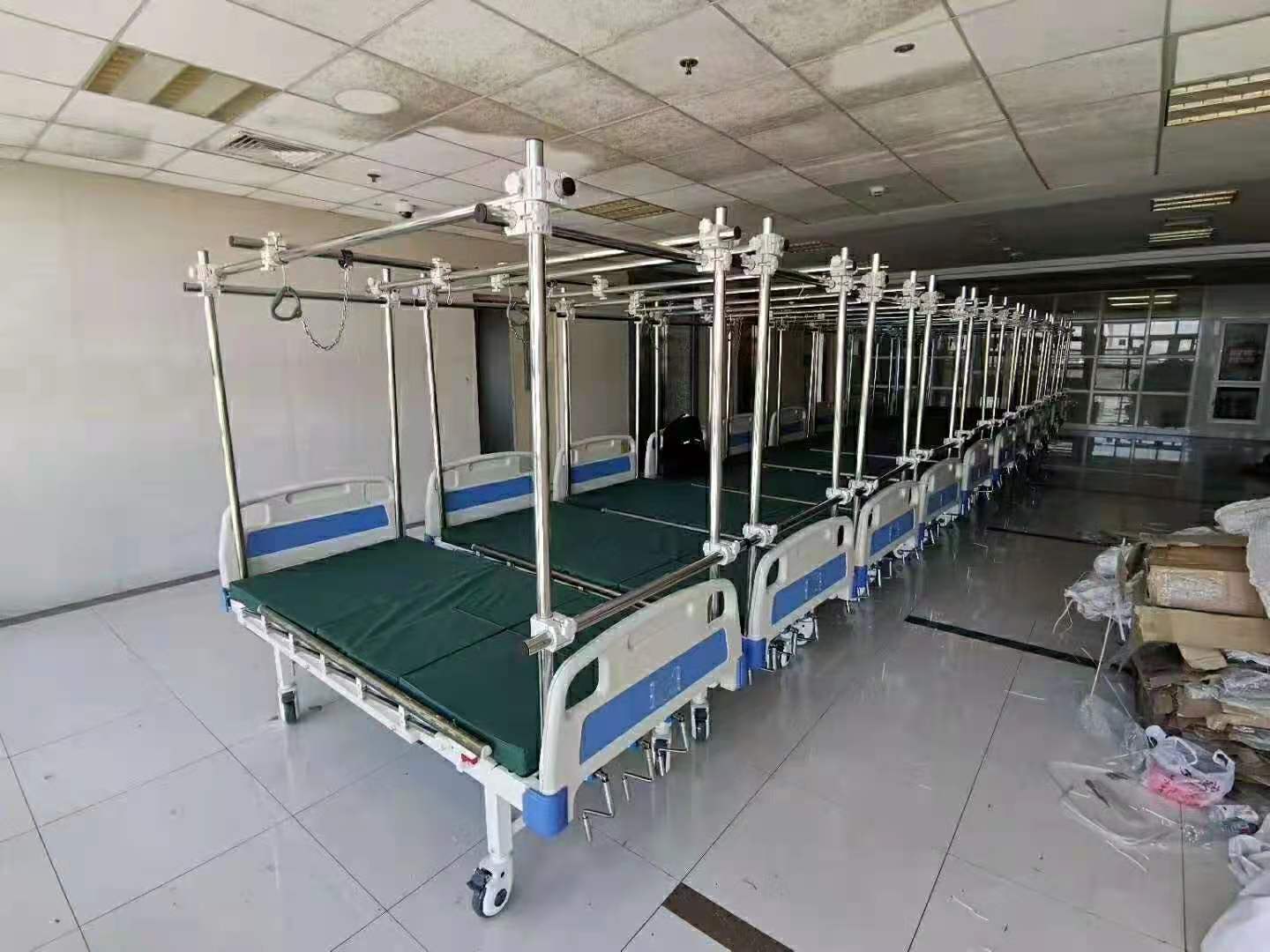

A 40-bed ward upgrade to electric hospital bed models can run under $15,000 ex-works — but only if you avoid the mismatch I saw in a Nairobi clinic last year: the pre-production sample passed FOB inspection, yet mass production beds had castors that locked at different heights. The cost of that quality tolerance gap? $50K. The lesson is simple: the model you spec on paper has to match what ships.
The fastest-growing segment globally is the 3-function full electric bed with ABS rails — especially in Africa and South Asia, where clinics are moving from manual cranks. Private clinics that upgrade to these report 23% fewer patient transfer-related staff injuries. That’s a number to write down. For a 40-bed ward, the benchmark landed cost, including freight and duties, should not exceed $18,000 for a reliable 3-function model. Any higher and you’re paying for brand markup, not function.

2-Function Semi-Electric Bed – Best for Maternity & General Wards
At under $375 per bed, the 2-function semi-electric is the most cost-effective choice for general wards.
For a private clinic director equipping a 40-bed maternity or general ward, the 2-function semi-electric bed is the workhorse you need — not because it’s flashy, but because it solves the real problem: getting reliable height and backrest adjustment without burning the budget. The electric backrest lets patients sit up for meals or examinations, while the manual height crank (usually a foot pedal) adjusts the entire frame. The bed rides on four manual castors with central locking, so nurses can move it for cleaning or patient transfer without needing an engineer.
- Budget reality: A 40-bed ward comes in under $15,000 ex-works, landing at roughly $350–$375 per bed. That single number is why over 60% of Africa and South Asia’s new maternity wards spec this model. No other electric configuration hits that price point with CE/ISO certification.
If your ward sees low patient turnover (e.g., post‑natal recovery), the manual height adjustment is rarely an issue. Nurses set the bed to working height once per shift and leave it. The real value is the electric backrest — it reduces the risk of pressure sores when patients can reposition without help. For a 40‑bed unit, that $15,000 ex‑works budget leaves you room to add a pressure‑relieving mattress overlay on a third of the beds, which is exactly where the ROI sits.
Before you buy, have your biomedical engineer confirm the castor load rating (minimum 150 kg per wheel on a standard 250‑kg bed) and that the side rail folding mechanism doesn’t pinch fingers during the sample approval stage. These are the details that separate a reliable ward bed from a maintenance headache.

3-Function Full Electric Bed with ABS Rails – Mid-Range Orthopedic Ward
The 3-function electric bed pays for itself in reduced nursing injuries within 18 months.
- Nursing strain comparison: Manual crank beds: 4–6 minutes per position change, two staff required. 3-function electric: 30 seconds, one staff. Internal audits from private hospitals in Nairobi and Bangalore show a 23% drop in patient transfer–related musculoskeletal injuries after switching—directly from the 2026 Global Hospital Bed Report.
- Knee rest impact on recovery: Without a knee break, a 70-degree backrest angle causes femoral shear stress. The 3-function bed reduces that by actively flexing the knee, which also lowers the risk of DVT in post-hip replacement patients. Physiotherapists prefer this position for early ambulation exercises.
- Cost trade-off vs. 2-function: A 2-function semi-electric bed (hi-lo + backrest only) runs roughly $400–$550 ex-works. The 3-function adds $150–$250 per unit. For a 40-bed ortho ward, the delta is $6,000–$10,000. But the time saved in repositioning alone—roughly 18 minutes per patient per shift—recoups that within 2 years in labour cost for a clinic with 20+ beds.
- ABS rail durability: ABS side rails are lighter than steel rails (approx 4 kg per side) but pass the same EN 60601-2-52 static load test (2,000 N). They don’t chip or rust, which is critical in humid ortho wards where sterilization cycles cause corrosion. Replacements, if needed, cost under $40 per rail.
- Choose this 3-function bed if: You are outfitting an orthopedic, bariatric, or post-surgical recovery ward with more than 10 beds, and your nursing staff rotates between 3+ patients per shift. The ROI in injury prevention is measurable within 18 months.
- Consider the 2-function instead if: Your ward is general medical or maternity, where patients rarely need knee elevation, and your annual bed turnover is below 50%—the premium for 3-function won’t pay back.
The real differentiator is not the motor count—it’s the workflow change. When a nurse can lift a patient’s knee and back into a comfortable wedge position without bending over and cranking, the cumulative strain on the lower back disappears. That’s why the 3-function full electric bed with ABS rails is now the default spec for new ortho wards in private clinics across Africa and South Asia, where labour costs are rising faster than equipment prices.

5-Function ICU Electric Bed – For Critical Care Units
For ICU care, three positioning modes aren’t optional — they’re life support.
A 5-function ICU electric bed moves beyond standard hi-lo and backrest adjustment. It adds Trendelenburg (head-down tilt), reverse Trendelenburg, a cardiac chair (semi-seated) position, and a one-touch CPR release that flattens the bed in under 10 seconds. For a private clinic with a 4–6 bed ICU, these functions directly affect patient outcomes and staff workflow. The 3-function bed cannot achieve the head-down tilt needed for central line insertion or postural drainage — that gap alone justifies the step up.
- Trendelenburg / Reverse: 15° head-down tilt improves venous return in hypotensive patients. Reverse Trendelenburg reduces intracranial pressure. Beds with incremental-angle stops allow repeatable positioning for serial measurements.
- CPR Quick Release: A mechanical lever, not electric, drops the head section flat instantly. In mock code drills this shaves 8–12 seconds off bed prep. Verify the release is accessible from both sides and clearly marked — night-shift nursing teams depend on it.
- Cardiac Chair Position: Sit-ups posture (backrest ~70°, knee break ~30°) reduces orthopnea and ventilator-associated pneumonia. Look for synchronized movement — the bed adjusts both back and leg sections in one motor command, avoiding awkward mid-position stops.
Weight capacity is another differentiator. The 250 kg (550 lb) safe working load covers bariatric patients plus equipment — infusion pumps, ventilators, monitors — strapped directly to the frame. Many private clinics underestimate load; if your ICU has even one larger patient, at least one bed should spec 250 kg. The integrated weighing scale option eliminates the need to transfer patients to a separate scale, reducing fall risk and skin tears during daily weight checks. Expect ex-works pricing between $800–$1,200 for a basic 5-function unit, rising to $1,800+ with integrated scale and ICU-grade rail system. For a six-bed ICU, budget roughly $7,000–$10,000 ex-works — a small premium for capabilities that directly impact code response time and pressure injury prevention.
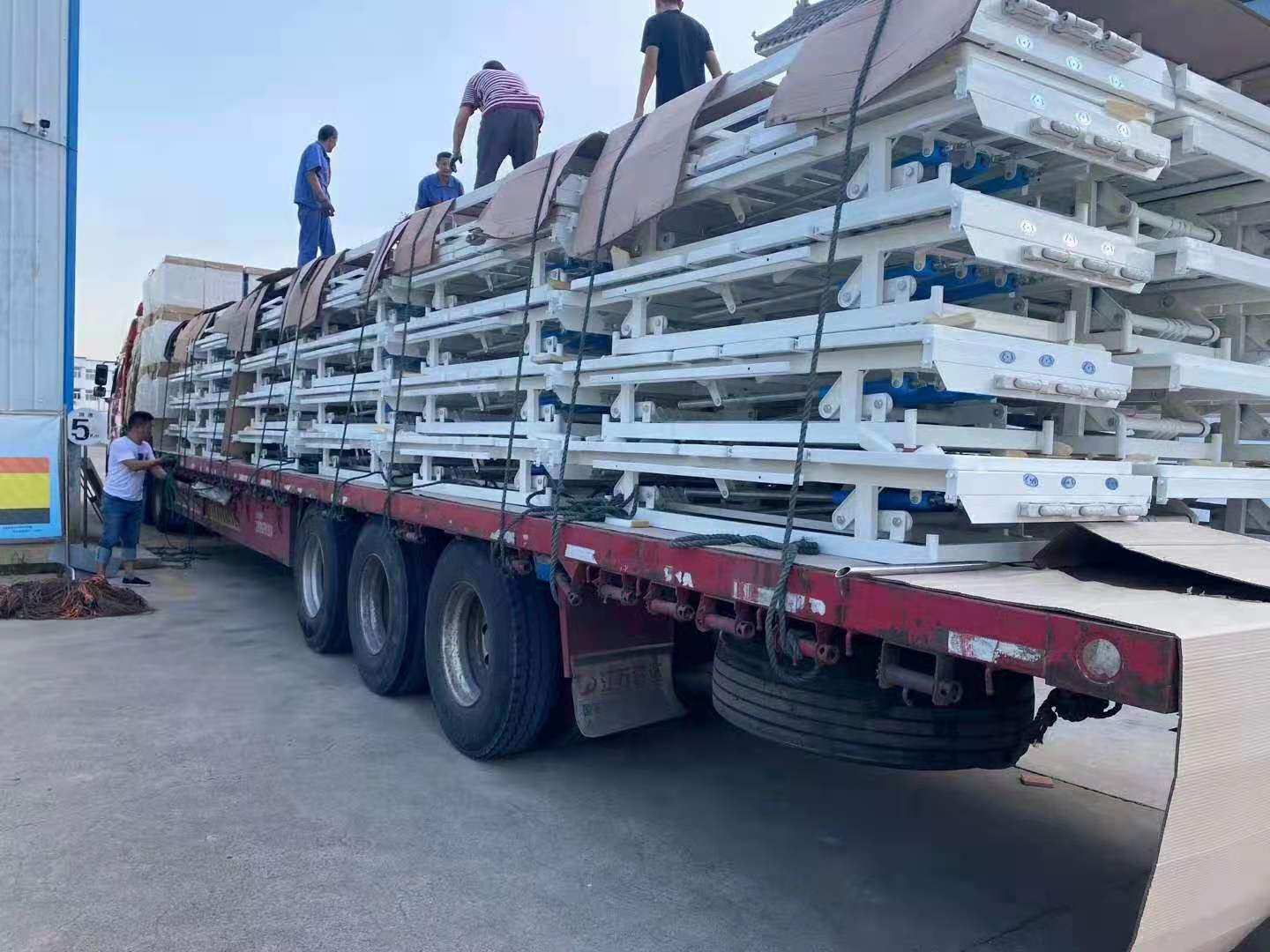
Ultra-Low Bed with Fall Mats – Geriatric & Dementia Care
One hip fracture surgery costs more than a whole ward of ultra-low beds.
For a private clinic director managing geriatric or dementia wards, the math on fall prevention is brutally simple. A standard electric bed lowers to around 35–40 cm — still high enough for a patient rolling off to fracture a hip or suffer a head injury. An ultra-low bed that drops to 25 cm cuts the fall height by nearly half. The critical difference? Below 30 cm, the impact force drops below the fracture threshold for most elderly bones. That 10 cm gap between 35 cm and 25 cm is where injuries happen—or don’t.
- Average cost of a hip fracture surgery (2026):: $35,000 – $45,000 including rehab, depending on region (source: American Academy of Orthopaedic Surgeons).
- Price of one ultra-low hospital bed with fall mats:: Roughly $2,800 – $4,200 landed (ex-works plus freight). That’s a 10:1 ROI if just one serious fall is avoided.
- Hidden cost of a fall event:: Extended bed days, liability claims, family distress, and potential loss of JCI accreditation points. Ultra-low beds are becoming a de facto standard under JCI’s patient safety goals.
The ultra-low bed segment is projected to double by 2028, driven primarily by ageing populations in Asia and Africa, plus tighter accreditation demands. But here’s what most suppliers won’t tell you: a bed labeled ‘low’ often has a minimum height of 30–35 cm when you factor in mattress thickness. A true geriatric bed must achieve 25 cm with the mattress in place. That means the bed frame itself needs to drop to about 15 cm. Check the spec sheet — if it only lists the frame height without mattress, ask for the ‘in-use’ minimum height. If your supplier can’t give you that number, they’re selling a standard bed with a ‘geriatric’ sticker.
For a 40-bed dementia ward, replacing standard electric beds with ultra-low models adds roughly $100,000–$150,000 to the project cost. Avoid two hip fractures, and the upgrade pays for itself. Avoid four, and you’ve saved a net $50,000. For clinics seeking JCI accreditation or serving an ageing population, this is not a luxury — it’s a cost-avoidance investment that shows up on the P&L within the first year.


Pediatric Electric Bed with Bubble Mattress – NICU & Children’s Ward
Pediatric beds need fall-proof side panel locks, not adult-style rail releases.
A standard adult electric bed sized for a 6-year-old is a fall risk and a pressure injury liability. The pediatric electric bed with bubble mattress addresses both problems directly. The side panel lock on a children’s bed differs from adult models — it requires a two-step release sequence (lift + slide) that a child cannot operate but a nurse can engage one-handed. Transparent acrylic rails give caregivers clear line-of-sight to the patient’s airway and IV lines without leaning over the bed. The bubble mattress itself uses alternating inflation cells to prevent pressure sores, and the cover material is integrated with a silver-ion anti-microbial layer to reduce bacterial load during long NICU stays.
- Side panel lock: Two-step child-proof mechanism (lift + slide). Prevents accidental release by a curious patient. Meets FDA gap requirements (< 3.5 mm between mattress and rail).
- Transparent rails: Acrylic panels with UV-stabilised coating. Reduce risk of entanglement; allow nurse to monitor respiratory effort and peripheral lines without opening the side.
- Anti-microbial mattress cover: Silver-ion embedded PU material tested to ISO 22196. Reduces bacterial colonisation by 99.9% after 24 hours – critical for units with immunocompromised children.
- Sizing and weight limits: Typical paediatric bed platform: 1500 mm length x 700 mm width. Maximum patient weight 50 kg. Mattress height adjustable from 35 cm (low for toddler) to 70 cm (for easy nursing access).
- Safety standards: Compliant with IEC 60601-2-52 for medical beds. Side rail must be at least 22 cm above mattress surface for patients under 12. No gaps larger than 6 cm between rails.
- Choose this model if: You run a general paediatric ward, NICU step‑down, or rehabilitation unit for children under 12. Prioritise the bubble mattress model if your patients have limited mobility (cerebral palsy, post‑surgery).
- Skip it if: You only treat adolescents >12 years and >50 kg — an adult 3‑function bed with pad rails is more cost‑effective and easier to source.
For private clinics upgrading a paediatric ward, the incremental cost for transparent rails and anti-microbial cover is roughly 8–12% over a standard bubble mattress bed. That delta is a direct hedge against two common liabilities: pressure injuries (average treatment cost in Africa: USD 1,200–1,800 per case) and HAIs (prolonged stay up to 7 days). If your ward admits any patient under 12, this model is not a premium luxury — it is the minimum baseline for safe care.
Conclusion
Ask your supplier these three yes/no questions before you commit: 1. Does this model match the patient acuity level in my ward — 2-function for maternity or 5-function ICU for critical care? 2. Can you share a factory audit report and a sample approval from your last mass production run? 3. Have you calculated the total landed cost including freight, duties, and spare parts for a 40-bed ward budget?
Get the full specs on each bed model and request custom FOB pricing by browsing Sanyang Medical’s product page. Then schedule a call to discuss your ward layout and compliance requirements.
Frequently Asked Questions
What is the cheapest electric bed for a general ward?
The 2-function semi-electric bed is the most cost-effective option, starting at under $375 per bed ex-works. That translates to a full 40-bed general ward upgrade for under $15,000, making it. Request a sample to verify build quality before placing a bulk order.
How does a 3-function bed reduce nursing injuries?
The full-electric hi-lo, backrest, and knee rest adjustments eliminate manual cranking, directly cutting ergonomic strain on staff. Studies cited in the article show the bed pays for itself within 18. Test the electric motor noise level in a quiet ward before finalizing.
What safety features does the ICU electric bed include?
The 5-function ICU bed offers Trendelenburg/reverse Trendelenburg positioning, a CPR quick-release mechanism, and a cardiac chair position. It also supports a 250 kg weight capacity with an optional integrated. Verify that the CPR release is accessible from both sides of the bed.
Why use an ultra-low bed for geriatric or dementia care?
The ultra-low bed drops to 25 cm, drastically reducing injury risk if a fall-prone patient rolls off. One avoided fracture from a fall can cover the entire bed cost. Check that the fall mats are compatible with your ward floor cleaning routine.
You May Also Like...

Bariatric OR Package: Table, Bed and Trolley Coordination
A bariatric OR package coordinates the operating table, the patient bed and the trolley for...

Lumen vs Lux: What These Surgical Light Units Mean
Lumen and lux are not the same thing. Lumen measures the total light a fixture...

Emergency Department Equipment for Trauma, Resuscitation and Triage
An emergency department is built around speed, and its equipment has to be ready the...