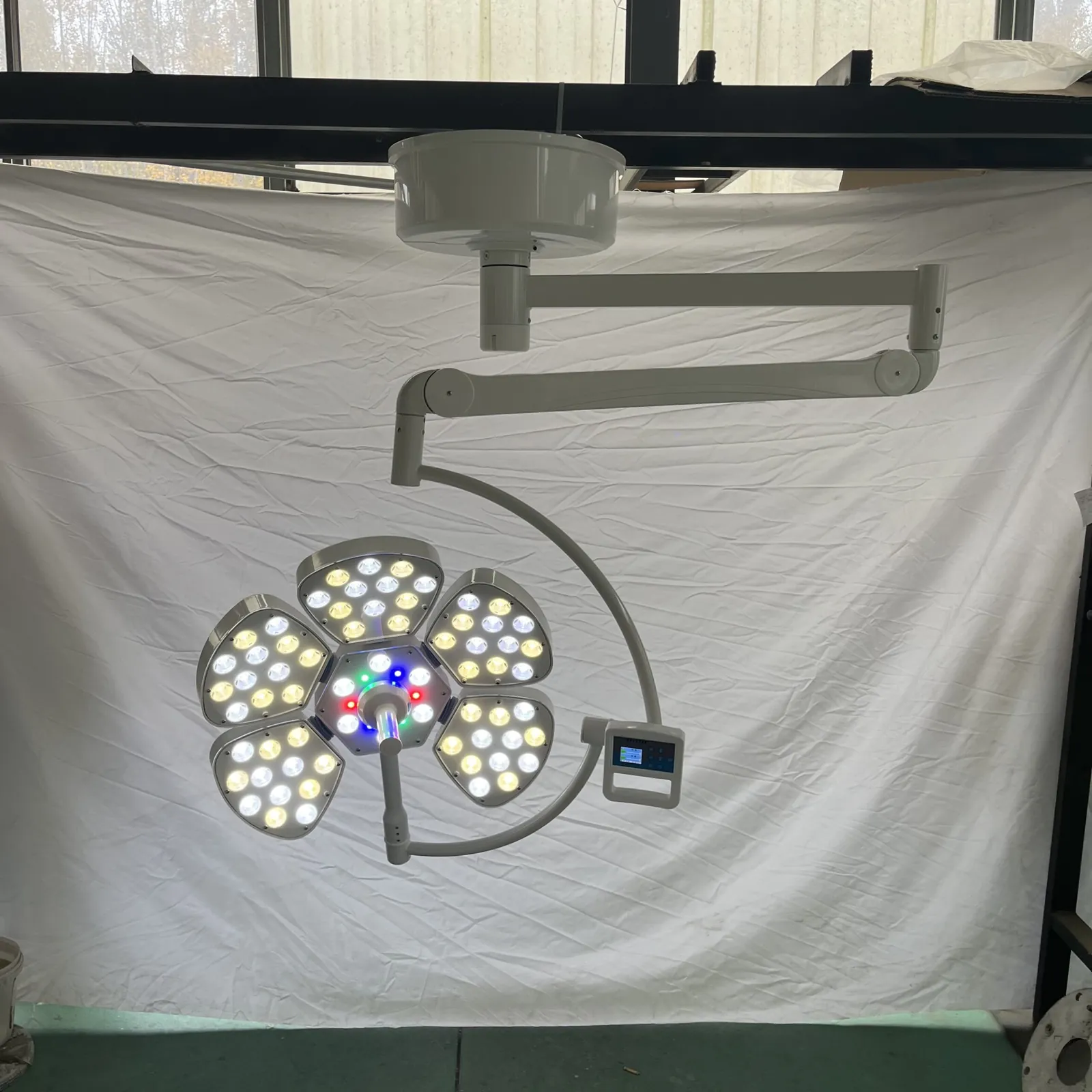

ce vs iso 13485 medical is the first checkpoint buyers should lock before they approve a supplier, budget, or production slot. “You sent us the CE certificate, See also the CE marking process guide for related specifications.
For anyone importing OT tables or surgical lights, understanding this difference matters long before you negotiate FOB pricing or approve a sample. A Class I surgical light might only need a self-declared CE mark, meaning no third-party audit of the factory at all. That works fine for basic imports into some markets, but try submitting that same self-declaration for a tender in Saudi Arabia or a hospital project in Ghana where the biomedical engineer demands proof of quality tolerance and traceability. Those buyers want to see your manufacturer’s ISO 13485 certificate alongside the product CE mark, because ISO 13485 audits the entire quality management system—from raw material inspection through final testing and sample approval protocols.
Here is a benchmark you can write down and use on your next supplier call: if your manufacturer cannot show you both an active CE certificate with a valid notified body number (check that four-digit code on the EU NANDO database) and an ISO 13485 certificate issued within the last three years, you are carrying all the compliance risk yourself. Most serious tenders now require both documents upfront. Do not accept one as a substitute for the other.
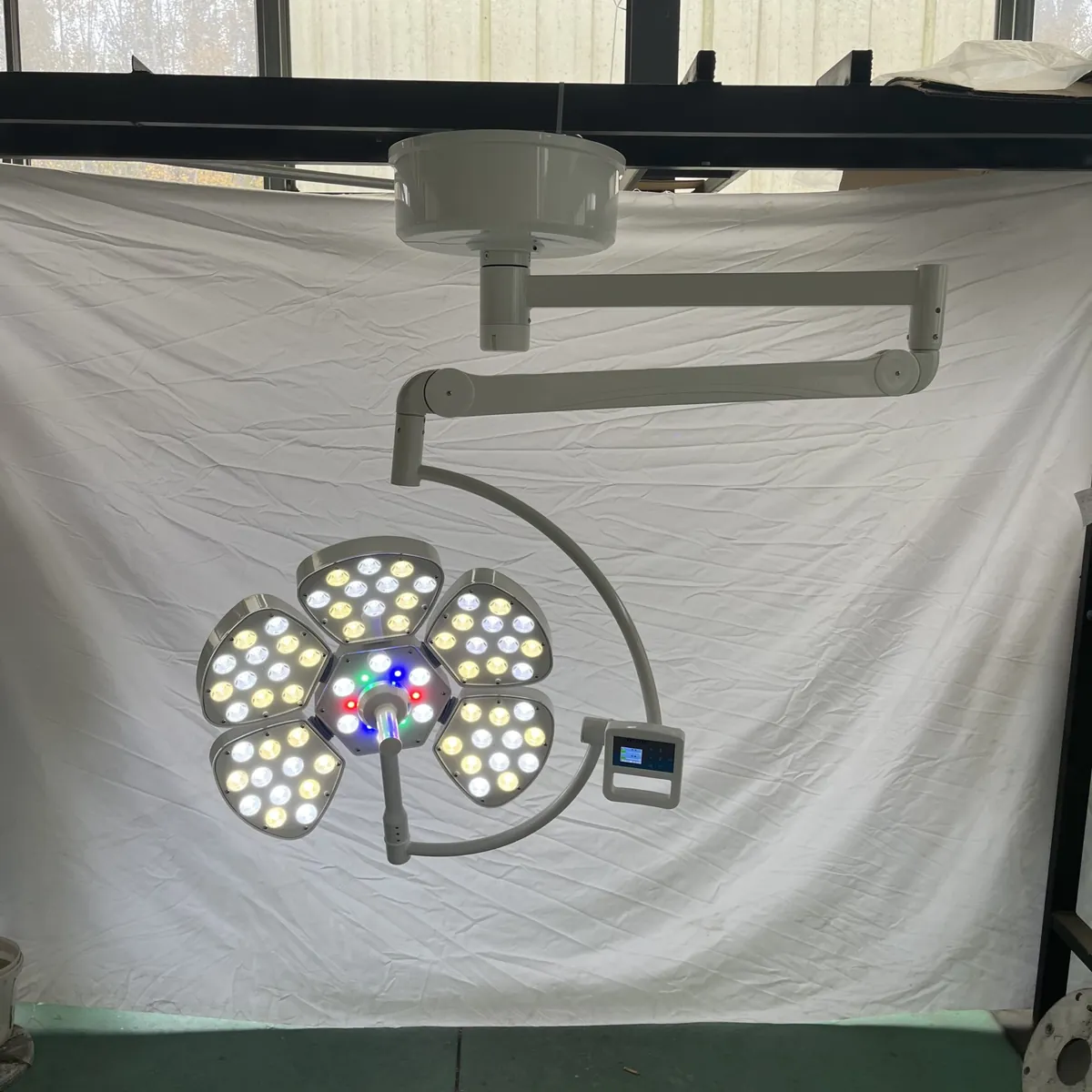
Understanding the Core Difference: Product vs System Certification
CE is a product passport; ISO 13485 is a factory management system.
The first thing to understand: CE marking and ISO 13485 do not compete with each other. They serve entirely different functions in the medical device supply chain. CE marking is a legal requirement for placing a product on the European market. It says this specific surgical light or operating table meets the safety and performance requirements of the applicable EU directive or regulation (currently MDR 2017/745). ISO 13485, by contrast, is a quality management system standard for the manufacturer. It certifies that the factory has documented processes for design, production, handling, storage, and corrective actions.
For where surgical lights and hospital beds sit under the MDR, see our EU MDR classification guide.
Legal Market Access vs Quality Management
Think of it this way: CE marking gets your product through customs in Europe. ISO 13485 keeps your supplier consistent enough that you don’t get burned on repeat orders.
- CE Marking (Product): Mandatory for market access in EU and many countries that align with EU regulations (e.g., Kenya, Nigeria via reciprocal recognition). Applies to each device model individually. Requires technical documentation, clinical evaluation, and — for Class IIa and above — assessment by a Notified Body (a third-party organization with a four-digit ID number). For surgical lights (typically Class IIa) and operating tables (Class I or IIa depending on features), you need that Notified Body involvement.
- ISO 13485 (System): Voluntary from a legal standpoint but increasingly mandatory in tenders — especially government hospital projects across Africa, the Middle East, and Southeast Asia. Certifies that the entire factory operates under a controlled quality system covering incoming material inspection, production records, non-conformance tracking, internal audits, and management review. An ISO 13485 certificate lists the scope of activities but does not list individual product models.
Here’s where it gets practical for distributors like Alex Otieno sourcing surgical lights from China. A factory can hold an ISO 13485 certificate but still produce devices that do not carry valid CE marking — because CE requires separate product-specific testing and documentation. Conversely, a factory can obtain CE marking for one model without having an ISO 13485 system in place.
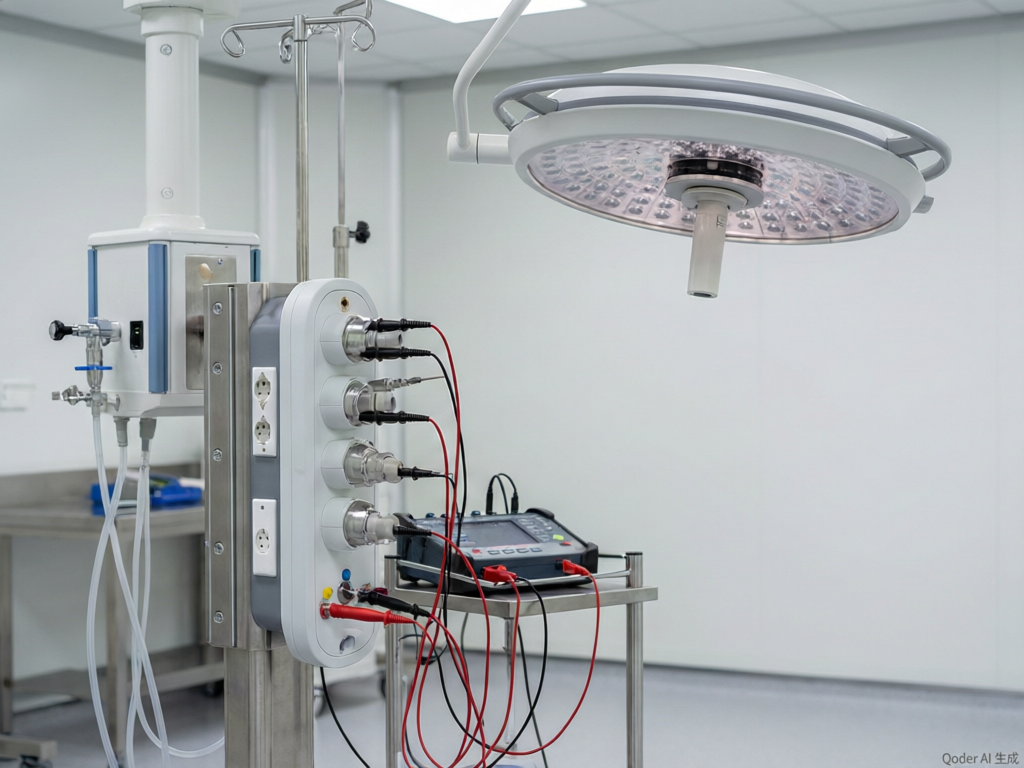
When CE Marking Alone Is Enough
CE self-declaration works for Class I devices, but many distributors overestimate its coverage.
For a standard surgical light or operating table, the EU Medical Device Regulation (MDR) classifies them as Class I devices — low risk, non-invasive, no contact with the patient’s bloodstream. That classification allows the manufacturer to issue a CE Declaration of Conformity without involving a Notified Body. The manufacturer tests the product internally or through a third-party lab, signs the paperwork, and affixes the CE mark. No 4-digit Notified Body number follows it.
This is where most importers get into trouble. A CE mark without a Notified Body number looks identical on paper to one that went through full MDR scrutiny. Customs officers in Lagos, Nairobi, or Jakarta don’t always know the difference — until someone flags it. We’ve seen containers held for three weeks because the importer presented a CE certificate that listed “self-declaration” instead of an NB reference. The local regulator wanted proof that a recognized body reviewed the design.
The Self-Declaration Risk You Cannot Ignore
Self-declared CE marking shifts liability entirely to you, the importer. If a device fails during use — say an operating table leg lock slips mid-procedure — your legal team cannot point to a Notified Body that approved it. You own the compliance gap alone. Some distributors accept this risk for commodity items like wheelchairs or hospital beds with no electrical components. But for surgical lights connected to mains power and OT tables bearing patient weight, self-declaration is thin cover.
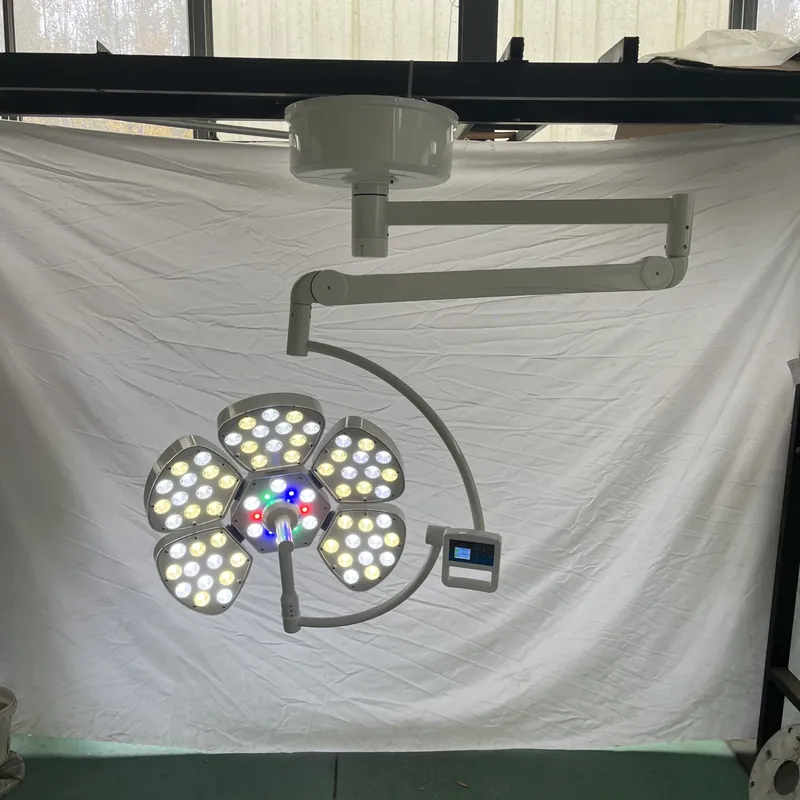
When ISO 13485 Becomes Essential
ISO 13485 is the manufacturer’s quality system.
Most distributors treat a CE certificate as the golden ticket. For market access, it is. But for landing a government hospital tender in Kenya, a ministry of health contract in Nigeria, or a World Bank–funded project in Zambia, the CE mark alone won’t cut it. The procurement officer will scan the technical submission for one thing: the manufacturer’s ISO 13485 certificate. If it’s missing, your bid gets tossed before the clinical evaluation even starts.
When the Tender Specs Write Themselves
I’ve seen the pattern repeat across 12 countries. A distributor sources a surgical light with a valid CE mark, pays the deposit, and then receives the tender document. Buried in Section 4.2 is the line: “The manufacturer must hold a valid ISO 13485:2016 quality management system certification covering the product category.” The distributor panics, calls the factory, and hears the one word that kills the deal: “The manufacturer does not have it.” They lose the tender, the deposit is tied up, and the product sits in a bonded warehouse. This is not a hypothetical. It happens every quarter.
Liability: The Part Most Distributors Ignore
A CE mark covers the product’s compliance with the Medical Device Regulation (MDR). It does not mandate that the factory has a documented process for handling a non-conforming batch, a corrective action system, or a traceability protocol for the 304-grade stainless steel used in the operating table frame. When a batch of surgical lights has a higher-than-allowed quality tolerance on the light intensity, and you need to prove the root cause, the CE certificate is useless. The ISO 13485 audit trail is what saves your liability. Without it, the hospital’s legal team has a direct line to your distributor’s insurance policy.
- CE Marking: Product compliance. It proves the device meets safety and performance standards. It does not prove the factory consistently builds the same product.
- ISO 13485: System compliance. It proves the factory has a quality management system that covers design, production, storage, and corrective actions. It is the only certification that tells a tender committee the manufacturer can deliver repeatable quality.
- The Gap: A distributor can import a surgical light with a CE mark from a factory that has no ISO 13485. That product is legal. But the moment the hospital asks for a production audit, or a bulk order has a 5% defect rate, the lack of ISO 13485 exposes the distributor to full liability. The manufacturer walks away; the distributor holds the bag.
- 1. Is your ISO 13485 certificate issued by a recognized accreditation body, and does it specifically cover the manufacturing of surgical lights and operating tables? A generic certificate covering “medical devices” is too vague. The scope must name the product category.
- 2. Can you provide the last two surveillance audit reports from your ISO 13485 certification body? If the factory hesitates, the certification is likely a paper certificate with no ongoing surveillance. Real ISO 13485 is audited annually.
- 3. Does your quality system include a documented process for handling a non-conforming batch, including traceability from raw material (e.g., 304-grade steel) to final shipment? If the answer is “we handle it case by case,” you have no system. Walk away.
The 3-Question Decision Checklist for Your Next Supplier
Before you sign a purchase order, ask these three questions. If the answer to any is “no,” you are taking on risk that should be the manufacturer’s.
A distributor who accepts a CE mark without confirming ISO 13485 is not saving time. They are deferring the risk. The tender committee will find out. The question is whether you find out before customs or after the liability claim lands.

Practical Scenarios for Distributors
Quick decision checklist for your next shipment: (1) Does the destination country accept CE self-declaration for Class I devices, or do they.
Africa: The Tender Trap
If you are importing OT tables to Africa , especially for government tenders, ISO 13485 is often the gatekeeper. Many ministries of health in Nigeria, Kenya, and Ghana now require the manufacturer to hold ISO 13485, not just a CE certificate for the product. Here is the problem: only about 40% of surgical light importers in sub-Saharan Africa request both CE and ISO 13485 from their supplier. The rest show up with a CE mark, only to find that the tender evaluation committee discounts their bid. For customs clearance CE marking Nigeria specifically, officials have started cross-referencing the CE certificate against the notified body registry. If the 4-digit number on your certificate does not match a valid EU Notified Body, the container sits. This has been observed three times in the past 18 months alone.
Middle East: The Verification Game
The Gulf states operate differently. They accept CE marking as the basis for import registration, but they expect you to verify CE marking China factory documentation down to the batch level. Dubai Health Authority and Saudi Arabia’s SFDA both require a notified body 4-digit number check surgical equipment document before they issue their local clearance. Distributors who skip this step often find that their Chinese supplier’s CE certificate was issued by a non-accredited body. The real risk is time: re-certification through a proper Notified Body takes 8 to 12 weeks. If you are sourcing from a China ISO 13485 operating table manufacturer , you want to confirm that the same factory holds both certifications and that the CE certificate lists a valid Notified Body number. Ask for a screenshot of the EUDAMED entry or the Notified Body’s scope letter.
Southeast Asia: The MDR Transition
Southeast Asia is where the CE vs ISO 13485 medical device sourcing decision gets complicated by the EU MDR transition. Indonesia, Vietnam, and the Philippines all reference the EU regulatory framework in their own registration processes. If your supplier’s CE certificate for surgical lights import was issued under the old MDD directive, it may still be valid for EU markets, but some Southeast Asian regulators are already asking for MDR-compliant documentation. For surgical lights MDR compliance 2026 , the clock is ticking. Distributors sourcing for projects in Thailand or Malaysia should request both the CE certificate and the ISO 13485 certificate, and verify that the CE certificate references the new MDR annexes. A manufacturer that has both certifications from a single audit is a stronger partner than one with separate audits from different bodies.
How to Ask Manufacturers for Both Certifications Correctly
A CE certificate without a Notified Body number is just a piece of paper.
You’ve seen the pattern: a supplier sends you a folder with a CE certificate and an ISO 13485 certificate, you file them, and move on. That’s how containers get stuck at Mombasa port. The real question isn’t whether they have the certificates—it’s whether the certificates match what you’re importing. Here’s how to ask the right way.
Ask for the CE Certificate’s Notified Body Number
For surgical lights and operating tables, a CE mark under the Medical Device Regulation (MDR) must come from a Notified Body. The European Commission assigns each Notified Body a four-digit number (e.g., 0123, 2797). Ask the supplier: “What is the Notified Body number on your CE certificate for this specific model?” Then go to the NANDO database and verify. If the number is missing or the body isn’t listed for the relevant scope, the certificate is not valid for customs clearance in Nigeria, Kenya, or most of the Middle East.
Ask for the ISO 13485 Scope Letter
ISO 13485 certificates often list the scope in a separate document. The typical wording should say “design and manufacture of surgical lights and operating tables.” If the scope says only “distribution” or “packaging,” the manufacturer’s quality system doesn’t cover production. That’s a red flag for any tender that requires manufacturer-level certification. Ask: “Can you show me the scope page of your ISO 13485 certificate?”.
Verify Both for the Same Product Line
- Model match: The CE certificate must list the exact model number you are importing. A generic certificate covering “all models” is not accepted by most customs authorities. Request a Declaration of Conformity (DoC) for each model.
- Production site: Both certificates should list the factory address. If the ISO 13485 shows a different address than the factory where the goods are made, you’re dealing with a trading company, not a manufacturer. This matters for liability and traceability.
- Expiry date: CE certificates under the old MDD expired in May 2026. If a supplier still sends you a MDD-based certificate, the product is not compliant with the current MDR (2026). Ask for an MDR certificate or a valid transition period document.
One more thing: request the certificates in PDF with the original stamp and signature. Many suppliers in China can provide both CE and ISO 13485—Sanyang Medical, for example, holds both for its full range of surgical lights and operating tables. But the key is verification, not possession. The 40% of sub-Saharan importers who ask for both are the ones who don’t get their containers held at customs.
Conclusion
CE marking gets your surgical lights through customs. ISO 13485 keeps you in the tender. The two serve different masters: one is a product passport, the other is a factory audit you can bank on. Distributors who treat them as interchangeable often end up with containers stuck at Mombasa port or bids rejected in Dubai.
- CE marking is mandatory for EU market access; ISO 13485 is not.
- Only about 40% of sub-Saharan importers request both certifications.
- Many hospital tenders now require manufacturer ISO 13485, not just product CE.
- Always verify the Notified Body number on any CE certificate you receive.
Frequently Asked Questions
What is the difference between CE marking and ISO 13485?
CE marking is a product passport for market access, while ISO 13485 is a factory quality management system. You need CE to sell in Europe, but many tenders also require ISO 13485 to prove consistent. Check your tender documents for both requirements.
Do I need ISO 13485 if I have CE marking?
Not always, but it depends on your buyer and device class. For Class I devices, CE self-declaration may be enough, but hospital tenders and distributors in Africa or the Middle East often demand ISO. Ask your buyer which certifications their procurement requires.
Can a Chinese manufacturer provide both CE and ISO 13485?
Yes, reputable manufacturers like Sanyang Medical can supply both certifications for surgical lights and OT tables. You should verify the certificate scope covers your specific product model before placing an order. Request a copy of both certificates with your product listed.
Which certification matters more for importing to Africa?
CE marking is often the minimum customs requirement, but many African tenders now also ask for ISO 13485. Distributors who only bring CE risk delays if the buyer’s procurement team demands a certified quality. Confirm both with your local agent before shipping.
Beyond CE versus ISO, the ISO 13485 vs ISO 9001 comparison explains which standard buyers should require.
You May Also Like...

EU MDR Transition Timeline: 2027-2028 Deadlines
The EU MDR transition has set a phased deadline that runs past 2027, which means...

UAE Medical Device Registration: MOHAP and DHA
The UAE operates a two-track system for medical device oversight: a federal track under the...

Tanzania TMDA Device Registration: Overview
Tanzania is one of East Africa’s most active medical device import markets, and its regulator...