
An operating room loses mains power mid-case, and the next three seconds decide which backup strategy actually works. The UPS carries the surgical lights, table and life-critical devices instantly from batteries; the generator starts ten or more seconds later and carries the building for hours. The two are not competitors. A compliant OR runs both, in sequence, and the specification question is which loads ride the UPS bridge and which transfer to generator power.
This comparison explains what each system does well, where each one alone fails, and how to divide the OR’s loads between them so a power event is a non-event.
What the UPS Does: Seconds of Instant Power
An uninterruptible power supply buffers critical loads from any interruption, switching to battery in milliseconds. In an OR that means surgical lights, the operating table, anesthesia machines and monitors never blink. The limitation is duration: battery runtime runs minutes, sized to carry the critical load until another source takes over or the case winds down safely. Runtime shrinks as loads grow, so a UPS sized casually becomes the failure point of the whole strategy.
The sizing discipline starts with a load list: watts per device, which devices are life-critical versus convenient, and the bridge duration the facility wants. Our guide to preventing OR downtime through after-sales support covers the downtime arithmetic from the service side, and the same rigor belongs in power planning.
What the Generator Does: Hours of Building Power
A standby generator takes ten seconds to a minute to start, warm up and assume load, then runs for as long as fuel lasts. It carries the building’s essential loads: HVAC, sterilization, general sockets and the ward floor. What it cannot do is power the surgical light instantly, which is precisely why standards for health care facilities sequence the two: critical branches ride the UPS bridge while the generator starts, then transfer. The healthcare facilities code published by NFPA, including NFPA 99 for health care facilities, frames the essential electrical system categories that OR designers work to.
Generator-side realities that bite projects: fuel quality and tank polishing in humid climates, load-bank testing schedules that prove the system under load rather than at idle, and transfer switch maintenance. A generator that starts in the brochure but not during a utility outage is the most expensive equipment in the hospital.
Dividing the OR’s Loads Between the Two Systems
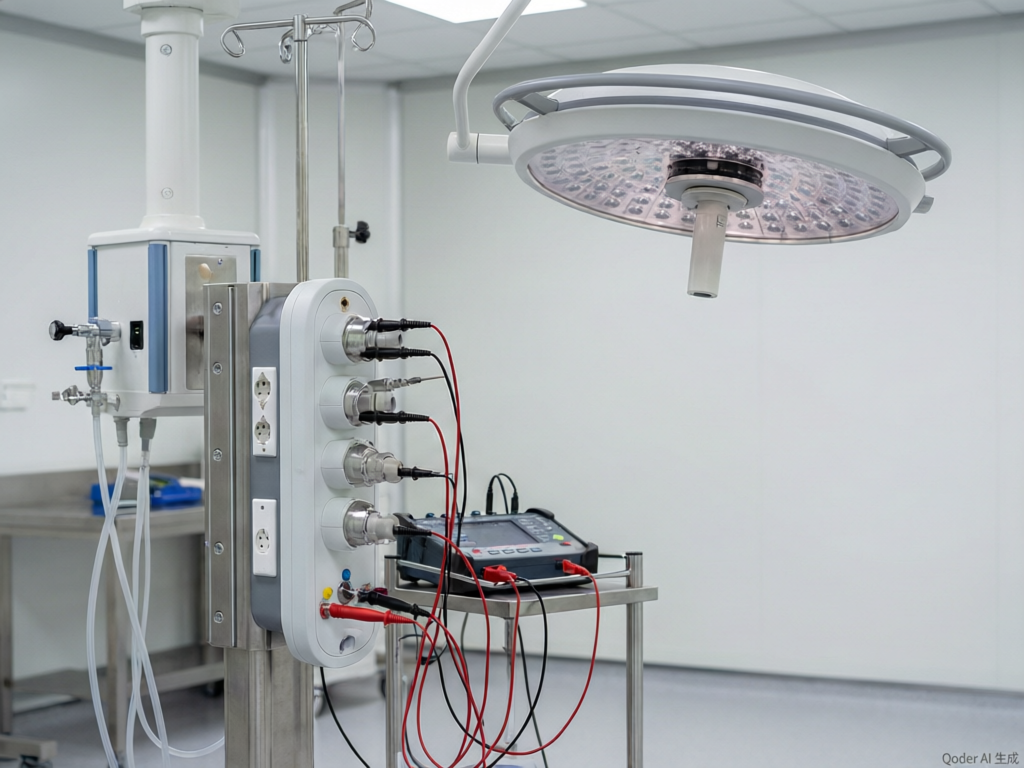
The practical division: surgical lights, operating table, anesthesia machine, patient monitors and the_ESU ride the UPS branch. HVAC, general lighting, sterilization and utility sockets ride the generator-backed essential branch. Battery-powered equipment adds a third layer of resilience, which is why operating tables with battery backup keep positioning through power events, the battery service life and replacement logic documented in our guide to operating table battery replacement.
Procurement should ask equipment vendors two questions per device: does it tolerate the transfer gap, and does it carry internal batteries. Devices with battery backup can ride the generator branch; devices without belong on the UPS branch, and mixing them up is how monitors blink at the worst moment.
Specifying Backup Power for a New OR Project
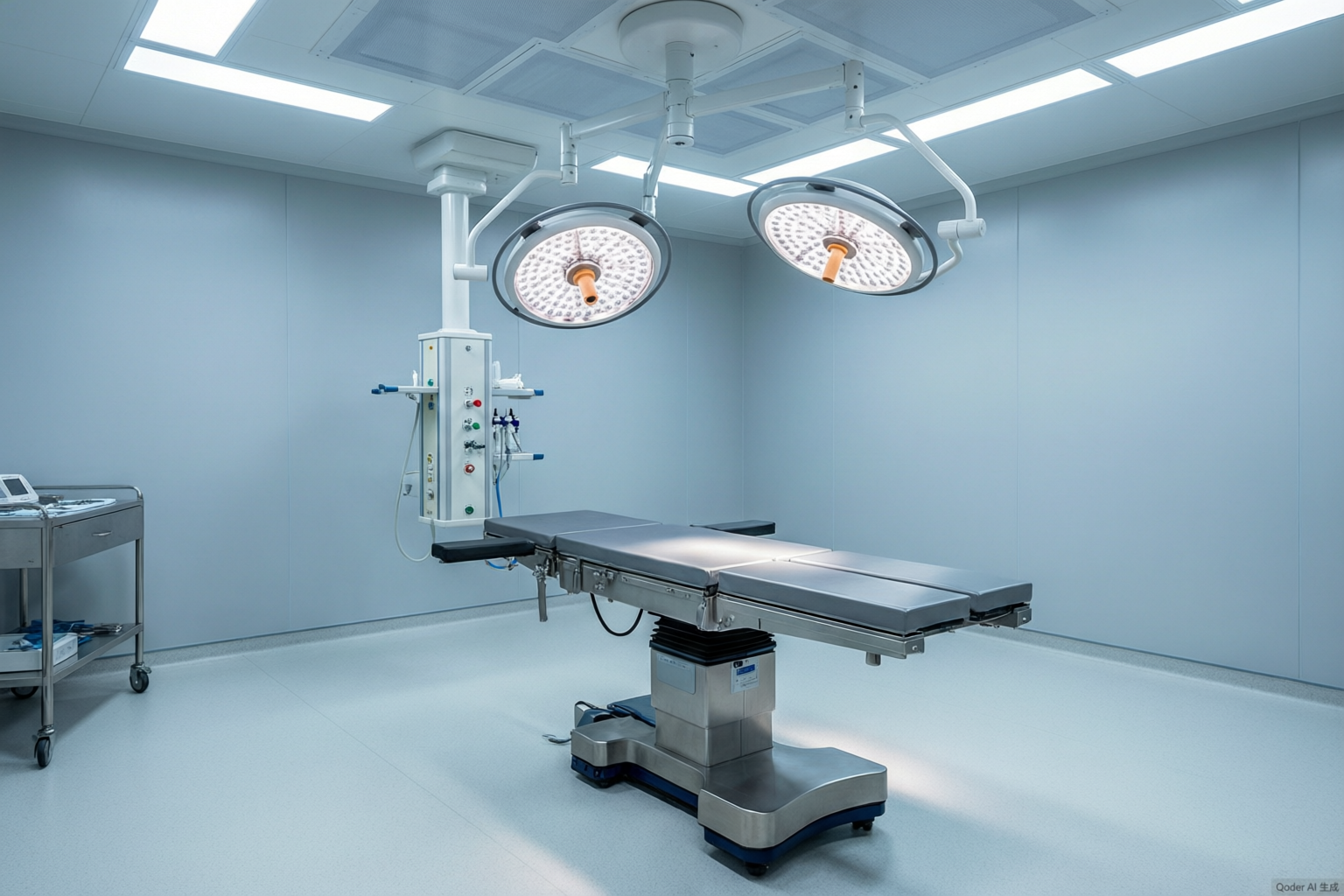
For turnkey OR projects, the power design lands in the layout stage: UPS capacity from the load list plus growth margin, generator capacity for the essential branch, transfer sequencing per the applicable health care code, and annual load-bank testing in the maintenance plan. Sanyang Medical’s turnkey OR service includes the equipment-side power planning alongside the 3D room layout, and the after-sales program behind it, 7 by 24 video diagnosis and long-term parts supply, is described on the صفحة قطع الغيار والخدمة.
الأسئلة المتكررة
Can a UPS replace a generator in an OR?
No. UPS runtime runs minutes; a generator runs for hours on fuel. Standards sequence them: UPS bridges the critical loads until generator power transfers.
How long should OR UPS runtime be?
Long enough to bridge generator start and transfer, with margin, typically minutes rather than hours, sized from a documented load list.
Which OR devices belong on the UPS branch?
Surgical lights, the operating table, anesthesia machines and patient monitors. Devices with internal battery backup can ride the generator branch.
How often should backup power be tested?
Generators need scheduled load-bank testing under load, not idle runs, and UPS batteries need periodic capacity checks as part of the maintenance plan.
قد يعجبك أيضًا...

Marketing Translations That Stay Inside the Product File
Marketing translation approvals are a factory-controlled path that keeps translated headlines and claims inside the...

Importer of Record: Name the Role Before Shipment One
Importer of record is the party named to customs as bringing the devices into the...

Crate Envelope vs. a Working Hospital Route
A crate envelope is the volume a packed unit sweeps while turning, tilting and rolling,...