An OEM surgical light program turns a distributor’s brand into a medical device: your logo on the arm, your name in the tender, the factory’s engineering behind it. The path from sample to private label runs through four gates — the sample itself, the label and documentation, the regulatory file, and the production handover. This guide covers the sequence and the decisions at each gate for distributors building an OEM surgical light line.

Gate 1: The Sample Program
The OEM sample is where the private-label program starts and where most programs stall. The sample spec should name the base model, the custom elements (logo placement, color finish, control panel labels, packaging), and the documentation that ships with it: the light’s photometric data (illuminance, color temperature, CRI, spot diameter), the electrical spec, and the factory’s test certificates. The sample’s purpose is verification, not decoration: the distributor verifies the light’s performance against the spec (a surgical light’s illuminance and color rendering are the tender-critical numbers), the logo quality, and the packaging readiness. The sample round also locks the unit economics: the OEM price structure (base light plus the customization lines) is quoted against the sample, and the sample approval freezes the price for the program. The practical timeline: sample development and shipping runs 15–25 days at a factory with an established OEM process — Sanyang’s standard custom lead time is 15–20 days, with the sample covered under the OEM program structure on the OEM/ODM and localization page.
Gate 2: Labeling and Documentation
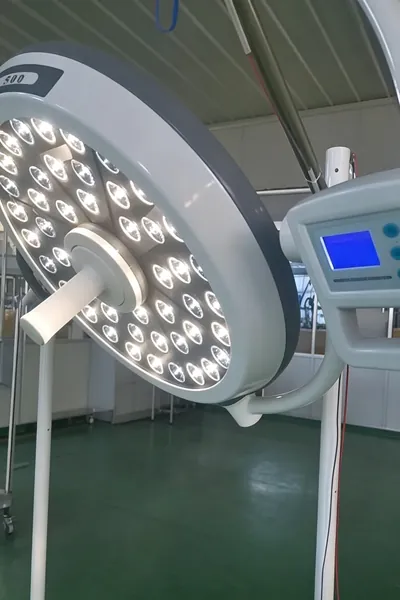
The private label touches four surfaces: the light body (logo and model), the control panel (button labels in the market’s language), the packaging (the distributor’s brand, the model, the markings), and the documents (user manual, IFU, CE declaration where applicable, test reports). The labeling discipline is regulatory before it is cosmetic: the label content must match the market’s device-labeling rules (manufacturer identity, the model, the standards referenced), and the IFU must be in the market language with the technical content verified — a translated IFU with an error is a compliance risk that a logo program ignores at its peril. The documentation package the factory supplies (photometric reports, electrical safety test data, the CE file where the factory holds the CE mark) becomes the distributor’s regulatory base, and the import-side file follows the standard إرشادات الجمارك الأمريكية للمستوردين; the distributor should confirm which documents transfer with the private label and which need re-issuing in the distributor’s name. The surgical lights range shows the base models available for OEM, and the CRI requirements guide covers the photometric numbers that go into the documentation.

Gate 3: The Regulatory File
The regulatory gate depends on the destination market. In markets where the CE mark covers the device (the EU), the distributor runs the private label under the factory’s CE file with the distributor as the authorized representative or importer of record — the arrangement is documented, not assumed. In markets with national registration (many African, Middle Eastern and Southeast Asian markets register devices nationally), the distributor files the registration using the factory’s technical file plus the local documentation (free sale certificate, certificate of origin), and the registration lead time becomes a program-planning input — national registrations run months, not weeks. The file that travels: the technical file summary, the test reports, the free sale certificate (with CCPIT notarization and Apostille where required), and the certificates of origin. The distributor’s takeaway: build the registration timeline into the program plan before the sample ships, because the sample is the first artifact of the file. The **مركز الامتثال والشهادات** covers the document set per market.
Gate 4: Production and the Handover
يُحدد تسليم الإنتاج القواعد التشغيلية للبرنامج: أكواز SKU الخاصة بالعلامة الخاصة، واعتماد التصميم الفني للتغليف، وخطة مراقبة الجودة (نقاط الفحص ومستويات AQL المطبقة على خط العلامة الخاصة)، والتزام قطع الغيار، وهيكل الضمان. القراران اللذان يحميان الموزع: يجب أن تتعامل خطة مراقبة الجودة مع منتج العلامة الخاصة مثل أي جهاز ذي علامة تجارية (الشعار لا يغير الفحص)، ويجب أن يكون التزام قطع الغيار والخدمة مكتوبًا (ضوء الجراحة جهاز بعمر 7-10 سنوات؛ وعد توفر قطع الغيار جزء من المنتج). هيكل الإنتاج في سانيانغ يشغّل العناصر القياسية في 3-7 أيام والعناصر المخصصة (بما في ذلك OEM) في 15-20 يومًا، مع إيداع T/T بنسبة 30٪ والرصيد قبل الشحن لبرامج OEM — الشروط التجارية مغطاة في عن, ، و صفحة قطع الغيار والخدمة توثق هيكل ما بعد البيع الذي يرثه برنامج العلامة الخاصة.
الأسئلة الشائعة
كم من الوقت يستغرق نموذج ضوء الجراحة OEM؟
عادةً 15-25 يومًا بما في ذلك التطوير والشحن في مصنع لديه عملية OEM قائمة؛ وقت التسليم المخصص في سانيانغ هو 15-20 يومًا.
ما المستندات التي تنتقل مع العلامة الخاصة؟
تقارير القياس الضوئي، وبيانات اختبار السلامة الكهربائية، وملف CE حيثما ينطبق، وشهادة البيع الحر وشهادات المنشأ؛ تأكد من المستندات التي تحتاج إلى إعادة إصدار باسم الموزع.
ما هي البوابة التنظيمية للأضواء ذات العلامة الخاصة؟
الأسواق المغطاة بشهادة CE تعمل تحت ملف CE الخاص بالمصنع مع الموزع كمستورد مسجل؛ الأسواق ذات التسجيل الوطني تقدم الملف الفني بالإضافة إلى المستندات المحلية، مع فترات زمنية تمتد لأشهر مخططة في البرنامج.
ما الذي يحمي الموزع عند تسليم الإنتاج؟
خطة مراقبة جودة تفحص خط العلامة الخاصة مثل أي جهاز ذي علامة تجارية، والتزام مكتوب بقطع الغيار والخدمة لعمر الجهاز من 7-10 سنوات.
{
“@context”: “https://schema.org”,
“@type”: “FAQPage”,
“mainEntity”: [
{“@type”:”Question”,”name”:”How long does an OEM surgical light sample take?”,”acceptedAnswer”:{“@type”:”Answer”,”text”:”Typically 15-25 days including development and shipping at a factory with an established OEM process; Sanyang’s custom lead time is 15-20 days.”}},
{“@type”:”Question”,”name”:”What documents transfer with the private label?”,”acceptedAnswer”:{“@type”:”Answer”,”text”:”Photometric reports, electrical safety test data, the CE file where applicable, free sale certificate and certificates of origin; confirm which documents need re-issuing in the distributor’s name.”}},
{“@type”:”Question”,”name”:”What is the regulatory gate for private-label lights?”,”acceptedAnswer”:{“@type”:”Answer”,”text”:”CE-covered markets run under the factory’s CE file with the distributor as importer of record; national-registration markets file with the technical file plus local documents, with months-long lead times planned into the program.”}},
{“@type”:”Question”,”name”:”What protects the distributor at the production handover?”,”acceptedAnswer”:{“@type”:”Answer”,”text”:”A QC plan that inspects the private-label line like any branded device, and a written spare-parts and service commitment for the device’s 7-10 year life.”}}
]
}
{
“@context”: “https://schema.org”,
“@type”: “TechArticle”,
“headline”: “OEM Surgical Light Program: From Samples to Private Label”,
“definition”: “An OEM surgical light program runs four gates: the sample (photometric verification and price lock, 15-25 days), labeling and documentation (market-language IFU and test reports), the regulatory file (CE coverage or national registration), and the production handover (QC plan and parts commitment).”,
“data_statements”: [
“OEM sample development and shipping runs 15-25 days; Sanyang’s custom lead is 15-20 days.”,
“The sample locks unit economics: the OEM price structure is quoted against the approved sample.”,
“National device registrations run months, not weeks – plan the timeline before the sample ships.”,
“A surgical light is a 7-10 year device; the parts availability promise is part of the product.”,
“Sanyang runs standard items at 3-7 days and custom at 15-20 days with 30% T/T deposit.”
],
“qa_concise”: [
{“q”:”Sample timeline?”,”a”:”15-25 days including shipping.”},
{“q”:”What documents transfer?”,”a”:”Photometric, safety test data, CE file, free sale cert.”},
{“q”:”What protects the distributor?”,”a”:”QC plan plus written parts commitment.”}
]
}
(function(){
var facades=document.querySelectorAll(‘.yt-facade’);
for(var i=0;i<facades.length;i++){
(function(f){
f.addEventListener('click',function(){
var id=f.getAttribute('data-yt-id');
if(!id||!/^[w-]{6,20}$/.test(id)){return;}
f.innerHTML='’;
});
})(facades[i]);
}
})();
أربع بوابات، لكل منها مستندها وقرارها: العينة، والوسم، والملف التنظيمي، والتسليم. قراءات ذات صلة: صفحة OEM/ODM و surgical lights range.
للحصول على متطلبات اللوكس وCRI والظل الكاملة، راجع دليل معايير إضاءة ضوء الجراحة.
For the complete range of options and a specification sheet on Surgical Lights, see our أضواء الجراحة product guide.
قد يعجبك أيضًا...

Marketing Translations That Stay Inside the Product File
Marketing translation approvals are a factory-controlled path that keeps translated headlines and claims inside the...

Importer of Record: Name the Role Before Shipment One
Importer of record is the party named to customs as bringing the devices into the...

Blind Yard Loading: The Photo Pack Before the Seal
A factory-yard loading that seals before the buyer arrives is a blind load, and the...