
الملخص التنفيذي
دليل عملي لاختيار طاولات العمليات الجراحية للمرضى ذوي السمنة المفرطة بناءً على مستوى الحمولة الآمنة، وعرض سطح الطاولة، ونظام الدفع، والامتثال لمعيار IEC 60601-2-46 للبرامج الجراحية التي تخدم مرضى السمنة.
كل مدير غرفة عمليات يواجه في النهاية السؤال المزعج نفسه: ماذا يحدث عندما يدخل مريض يزن 250 كجم عبر الباب لإجراء عملية تحويل مسار المعدة بالمنظار الاختيارية، والطاولة في الغرفة 3 مصممة لوزن 200 كجم؟ في منشأتنا، شاهدنا هذا السيناريو يتحول من استثناء نادر إلى مصدر قلق أسبوعي في التخطيط. يعني الارتفاع العالمي في انتشار السمنة أن برامج جراحات السمنة لم تعد خدمة متخصصة مقتصرة على المراكز الجامعية. مستشفيات المجتمع الآن تتعامل مع هذه الحالات، والفجوة في المعدات بين طاولة الجراحة العامة القياسية ومنصة جراحة السمنة المصممة خصيصًا أوسع مما يدركه معظم فرق المشتريات في البداية.
عواقب التقليل في المواصفات ليست تشغيلية فقط. الطاولة التي تعمل عند أو فوق حمل العمل الآمن المُقيَّد (SWL) تواجه إجهادًا هيكليًا متسارعًا، ودقة تموضع معرضة للخطر تحت الحمل، وفشلًا محتملًا لآليات القفل أثناء إمالة ترندلينبيرغ. سلامة المريض، وخطر إصابة الموظفين، والتعرض القانوني الطبي كلها تزداد. اختيار الطاولة الصحيحة طاولة عمليات جراحة السمنة يتطلب فهم كيفية تفاعل تصنيفات سعة الوزن، والهندسة الهيكلية، وعزم دوران نظام الدفع، والتوافق مع التصوير كنظام وليس كبنود منفصلة في ورقة المواصفات.
يستعرض هذا الدليل المنطق الهندسي والشرائي وراء اختيار طاولات الجراحة عالية السعة. نغطي مستويات سعة الوزن المتاحة في السوق الحالي، والاختلافات في التصميم الهيكلي التي تفصل منصة جراحة السمنة الحقيقية عن طاولة قياسية بملصق مقوى، ومتطلبات معايير السلامة ذات الصلة، وإطار عمل عملي لاتخاذ القرار لمطابقة مواصفات الطاولة مع مزيج حالاتك الجراحية.
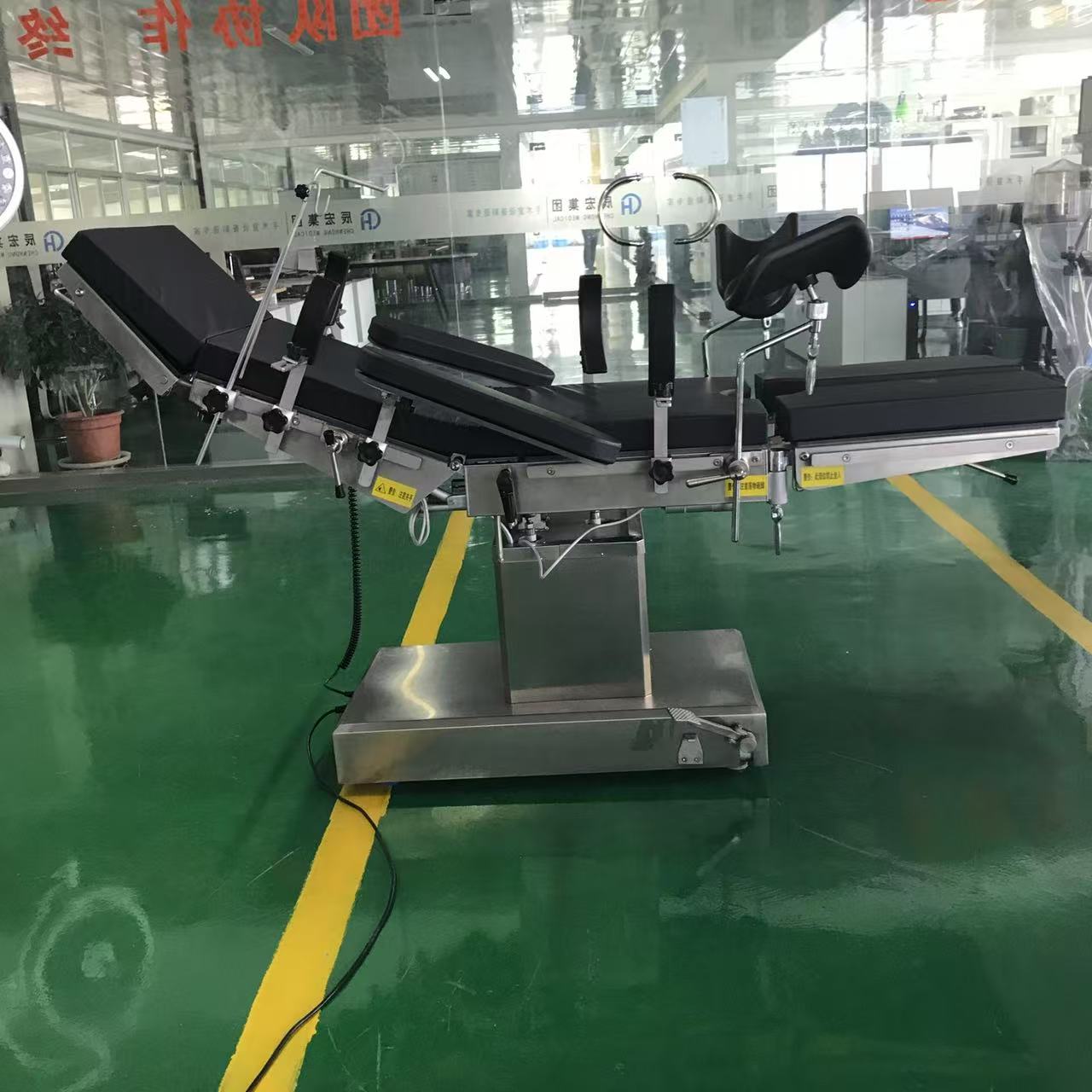
لماذا لم تعد طاولات عمليات جراحة السمنة اختيارية
الطلب السريري الذي يدفع هذه الفئة من المعدات ليس تخمينيًا. نمت أحجام جراحات السمنة والأيض باستمرار خلال العقد الماضي مع توسع المؤشرات لتشمل مرضى بحدود مؤشر كتلة جسم أقل واعتلالات أيضية مصاحبة. في الوقت نفسه، ارتفع متوسط كتلة الجسم لدى السكان الجراحيين عمومًا، مما يعني أنه حتى الإجراءات غير المتعلقة بالسمنة تقدم بشكل متزايد مرضى يتجاوزون نطاق العمل المريح لطاولة قياسية مُقيَّدة بـ 200-250 كجم.
من الناحية العملية، كان بإمكان المستشفى الذي يجري أقل من 50 حالة جراحة سمنة سنويًا أن يكتفي سابقًا بطاولة قياسية واختيار دقيق للمرضى. لقد تغير هذا الحد الفاصل. عندما تشمل حالاتك في جراحة العظام والمسالك البولية والجراحة العامة أيضًا مرضى يزيد وزنهم عن 180 كجم، لم يعد السؤال ما إذا كان الاستثمار في طاولة عالية السعة ضروريًا، بل أي مستوى سعة وتكوين تختار. كثيرًا ما نرى مشترين يطلبون في البداية “طاولة 350 كجم” لأن هذا الرقم يظهر في كتيب منافس، ليكتشفوا أثناء تقييم الاحتياجات أن مزيج حالاتهم الفعلي يتطلب 450 كجم أو أكثر عند احتساب صواني الأدوات وأنظمة الجرّاحات وملحقات التموضع التي تضيف 20-40 كجم إلى الحمولة الإجمالية.
تصنيف حمل العمل الآمن يشير إلى إجمالي الكتلة القصوى التي يمكن للطاولة دعمها في أي وضع مُهيأ، بما في ذلك المريض والملحقات وأجهزة التموضع. وهو ليس نفس أقصى سعة رفع للعمود الهيدروليكي، والتي تُقيَّد عادةً بأعلى من حمل العمل الآمن بـ 150-200 كجم لتوفير هامش أمان هيكلي. تأكد دائمًا من كلا الرقمين في الوثائق الفنية للشركة المصنعة.
فهم تصنيفات حمولة العمل الآمنة ومستويات السعة
تتجمع طاولات العمليات الجراحية للمرضى ذوي السمنة المفرطة في السوق الحالي ضمن ثلاث فئات سعة رئيسية، تخدم كل منها مجموعة مرضية وملفًا برنامجيًا جراحيًا متميزًا. إن فهم أين يقع مزيج الحالات لديك ضمن هذه الفئات هو القرار الشرائي الأكثر أهمية.
تغطي الفئة الأولى الطاولات المقيّمة بحمولة عمل آمنة تتراوح بين 275-325 كجم. وهي منصات عامة الأغراض معززة، وتتمثل في نماذج مثل ميريفارا جراند بروميريكس (مقيّمة بـ 275 كجم عند الانزلاق، و325 كجم عند عدم الانزلاق، وبحد أقصى لقدرة الرفع يبلغ 490 كجم). تخدم هذه الطاولات المستشفيات التي تمثل فيها حالات السمنة المفرطة أقلية من إجمالي حجم العمليات الجراحية، وحيث يجب أن تتعامل الطاولة أيضًا مع الإجراءات العظمية والمسالك البولية والعامة دون وقت تحويل مخصص.
تمتد الفئة الثانية عبر حمولة عمل آمنة تتراوح بين 450-500 كجم. هذا هو النطاق التشغيلي للبرامج الجراحية المخصصة لمرضى السمنة المفرطة. تتميز الطاولات في هذه الفئة بأسطح عمل أوسع (عادةً 560-630 ملم مقارنة بالمعيار 500-520 ملم)، وأعمدة قاعدة معززة بأسطوانات هيدروليكية أكبر قطرًا، وأنظمة قيادة معايرة خصيصًا للحفاظ على سرعة ودقة التموضع تحت الأحمال الموزعة العالية. تؤكد قوائم السوق وجود طاولات جراحية كهربائية هيدروليكية لمرضى السمنة المفرطة بأوزان مدعومة تبلغ 450 كجم و500 كجم و540 كجم وبعرض إجمالي يبلغ 630 ملم.
تتجاوز الفئة الثالثة 500 كجم وتستهدف المرضى ذوي السمنة الفائقة (مؤشر كتلة الجسم فوق 60) أو البرامج المؤسسية التي تعمل كمراكز إحالة إقليمية لجراحات السمنة. هذه الطاولات أقل شيوعًا، وغالبًا ما تكون مكوّنة كمنشآت بقاعدة ثابتة بدلاً من الوحدات المتنقلة، وتتطلب التحقق من حمل الأرضية الإنشائي أثناء تخطيط المنشأة.

عرض سطح الطاولة، والقضبان الجانبية، والتعزيز الإنشائي
لا تتحقق سعة الوزن بمجرد زيادة سماكة الإطار الفولاذي. تعيد طاولة السمنة المفرطة الحقيقية تصميم مسار الحمل من سطح الطاولة إلى نقطة التلامس مع الأرض. يجب أن يكون سطح الطاولة نفسه أعرض لتوزيع كتلة المريض على مساحة سطح أكبر، مما يقلل الضغط على الحواف ويمنع عدم الاستقرار الجانبي الذي يحدث عندما ينزاح مركز ثقل المريض أثناء التموضع بالإمالة.
تبلغ مساحة أسطح الطاولات الجراحية القياسية 500-520 ملم في العرض. توسع منصات السمنة المفرطة هذا إلى 560 ملم كحد أدنى، بينما تصل النماذج المخصصة للخدمة الشاقة إلى 630 ملم. لهذا العرض الإضافي آثار لاحقة: يجب أن يستوعب طول القضبان الجانبية وتباعد المشابك المظهر الجانبي الأوسع، وتتطلب ألواح الذراع نطاق تمدد أكبر، ويجب إعادة تصميم نظام المرتبة لمنع المريض من ملامسة أجهزة القضبان. في مصنعنا، نقوم بتصنيع القضبان الجانبية من قطعة بثق واحدة من الفولاذ المقاوم للصدأ بدلاً من لحام المقاطع، لأن وصلات اللحام تحت إجهاد عالٍ دوري هي أكثر نقاط أصل فشل الإجهاد شيوعًا التي نلاحظها في الوحدات المرتجعة.
يتغير أيضًا شكل هندسة عمود القاعدة. تستخدم الطاولات القياسية تصميمًا بعمود واحد أو قاعدة على شكل حرف T يكفي لأحمال تصل إلى 250 كجم. تتطلب طاولات السمنة المفرطة قاعدة ذات بصمة أوسع، غالبًا بتكوين عمود مزدوج أو قاعدة H معززة، للحفاظ على نطاق الاستقرار المطلوب وفقًا لمعيار IEC 60601-2-46 عند إمالة الطاولة إلى وضع ترندلينبورغ الكامل (عادةً زائد أو ناقص 35 درجة) مع حمل موزع غير متمركز. تزداد مساحة التلامس مع الأرضية، وتتحول مواصفات العجلات إلى عجلات أكبر قطرًا (100-125 ملم مقارنة بالمعيار 75-80 ملم) مقيّمة للأحمال النقطية الأعلى.
- عرض سطح الطاولة: 560-630 ملم (مقابل 500-520 ملم القياسي)
- مساحة القاعدة: قاعدة H عريضة أو عمود مزدوج لثبات الإمالة
- القضبان الجانبية: فولاذ مقاوم للصدأ بطول كامل، مصنفة لتحمل 50 كجم لكل نقطة تثبيت كحد أدنى
- العجلات: قطر 100-125 ملم، مزودة بفرامل فردية، ومصنفة لتحمل الوزن الإجمالي للطاولة والمريض
- نظام المرتبة: رغوة لزجة مرنة بسماكة 80 ملم أو أكثر، بفواصل ملحومة بالموجات فوق الصوتية لمنع تسرب السوائل
أنظمة الدفع الكهروهيدروليكية وعزم الدوران تحت الحمل
نظام الدفع هو المجال الذي تختلف فيه طاولات الباريايتريك بشكل حاد عن المنصات القياسية في الاستخدام السريري اليومي. يجب أن توفر الطاولة المصنفة لتحمل 500 كجم نفس الحركة السلسة والمضبوطة عند الحمل الكامل التي توفرها الطاولة القياسية عند 150 كجم. يتطلب هذا خرجًا أعلى بكثير لمضخة هيدروليكية، وأسطوانات أكبر قطرًا، وتحكمًا بالصمامات التناسبية لمنع الحركة المتقطعة عند البدء والتوقف التي تضر بالدقة الجراحية وسلامة المريض.
تهيمن الأنظمة الكهروهيدروليكية على قطاع الباريايتريك لسبب هندسي واضح: توفر الأسطوانات الهيدروليكية توصيلًا سلسًا للقوة بطبيعتها مع تخميد ذاتي، مما يمنع السقوط المفاجئ إذا فشل الختم أو الصمام. يحرك المحرك الكهربائي مضخة هيدروليكية، وتوزع طاقة السوائل على أسطوانات فردية للارتفاع، ووضعية ترندلنبورغ، والإمالة الجانبية، والتقسيم المقاطع. بالنسبة لطاولة مصنفة لتحمل 500 كجم، يجب أن يولد النظام الهيدروليكي ضغطًا كافيًا لرفع وتحمل الحمل الإجمالي (المريض بالإضافة إلى الملحقات، غالبًا 540-560 كجم إجمالاً) مع عامل أمان تتطلبه المعايير فوق حمل العمل الآمن المعلن.
نوصي المشترين بتقييم سرعة التموضع تحت الحمل الكامل المصنف، وليس فقط سرعة عدم الحمل. الطاولة التي تصل إلى الارتفاع الكامل في 30 ثانية بدون حمل قد تستغرق 55 ثانية عند 450 كجم، وهو أمر مهم في سيناريوهات التحويل الطارئ حيث تكون إعادة التموضع السريع من ترندلنبورغ إلى الوضع المسطح ضرورية سريريًا. كما أن سعة البطارية الاحتياطية أكثر أهمية في سياق الباريايتريك: انقطاع التيار الكهربائي مع مريض وزنه 300 كجم في وضع ترندلنبورغ العميق يتطلب طاقة هيدروليكية مخزنة كافية أو سعة مضخة تعمل بالبطارية لإعادة الطاولة إلى وضع أفقي آمن. توفر الوحدات الحديثة عادةً 8-12 ساعة من استقلالية البطارية للدورات القياسية، ولكن تحقق من وظيفة العودة الطارئة على وجه التحديد.

عند مقارنة الطاولات الكهربائية مقابل الطاولات الكهربائية الهيدروليكية للاستخدام في جراحات السمنة، غالبًا ما يكون العامل الحاسم هو الحفاظ على الحمل المستمر وليس قوة الرفع القصوى. يمكن للمشغلات الخطية الكهربائية أن تضاهي القوة الهيدروليكية القصوى ولكنها قد تظهر انحرافًا موضعيًا تحت الأحمال غير المركزة المستمرة أثناء الإجراءات التي تستمر لساعات متعددة. بالنسبة للحالات التي تتجاوز أربع ساعات في وضع ترندلينبورغ الحاد، تظل الأنظمة الكهربائية الهيدروليكية المزودة بصمامات قفل هيدروليكية الخيار الهندسي الأكثر تحفظًا. اقرأ مقارنتنا التفصيلية في دليل الطاولات الجراحية الكهربائية مقابل الهيدروليكية.
التوافق مع التصوير: متطلبات الشفافية الإشعاعية لحالات السمنة
تتضمن برامج الجراحات المتعلقة بالسمنة بشكل متزايد التصوير أثناء العملية. حالات المراجعة بالمنظار، وإصلاح الفتق المعقد في المرضى الذين يعانون من السمنة، والإجراءات العظمية المصاحبة قد تتطلب جميعها التنظير الفلوري بذراع C أو التصوير المقطعي المحوسب بشعاع مخروطي دون إعادة وضع المريض. وهذا يخلق تحديًا هندسيًا محددًا: يجب أن يكون سطح الطاولة شفافًا إشعاعيًا عبر كامل عرضه وطوله، ويجب أن توفر قاعدة العمود خلوصًا غير معاق لدوران ذراع C، حتى مع قاعدة القدم الأوسع التي تتطلبها أحمال السمنة.
تُعد أسطح الطاولات المصنوعة من ألياف الكربون المركبة الحل القياسي للشفافية الإشعاعية، واستخدامها في طاولات السمنة يقدم اعتبارًا هيكليًا غائبًا عن التصاميم ذات العرض القياسي. يجب أن تحافظ لوحة ألياف الكربون بعرض 630 مم على صلابة مكافئة للوحة بعرض 520 مم تحت حمولة موزعة تبلغ 500 كجم، الأمر الذي يتطلب زيادة سمك الصفائح أو تقوية داخلية بالأضلاع. يجب أن يستوعب طول نافذة الشفافية الإشعاعية مجال تصوير الجذع الكامل، ويتطلب ذلك عادةً ما لا يقل عن 1200 مم من ألياف الكربون غير المتقطعة في قسمي الظهر والمقعد. للحصول على معايير اختيار المواد التفصيلية، راجع تحليلنا لـ أسطح طاولات العمليات المصنوعة من ألياف الكربون الشفافة إشعاعيًا.
يجب أن يوازن تصميم عمود القاعدة بين متطلبين متعارضين: قاعدة عريضة لثبات الإمالة وخلوص أرضي كافٍ (300 مم على الأقل على ثلاثة جوانب) لمرور مكثف الصورة بذراع C. تعالج تصاميم القاعدة رفيعة الشكل ذات الحواف المشطوفة، كما هو موضح في المنصات الثقيلة الأحدث، هذا الأمر عن طريق تقليل المقطع العرضي للعمود عند ارتفاع التصوير مع الحفاظ على العرض الهيكلي عند مستوى التلامس مع الأرض. يعمل الانزلاق الطولي لسطح الطاولة بمقدار 390-410 مم على توسيع نطاق التصوير دون الحاجة إلى إعادة وضع الطاولة.
متطلبات السلامة IEC 60601-2-46 للطاولات عالية السعة
معيار IEC 60601-2-46:2023 (الطبعة 4.0، نُشر في مايو 2023) هو المعيار الخاص الذي يحكم سلامة طاولات العمليات. يحدد متطلبات السلامة الأساسية والأداء الأساسي لطاولات العمليات، بما في ذلك الناقلات المستخدمة مع أنظمة الأسطح القابلة للفصل. تمت مواءمة المعيار هيكليًا مع IEC 60601-1:2005 وتعديلاته (AMD1:2012، AMD2:2020) في هذه الطبعة الرابعة، ليحل محل الطبعة الثالثة لعام 2016.
بالنسبة لاختيار طاولات السمنة، تحمل عدة بنود وزنًا خاصًا. يتناول المعيار الحماية من المخاطر الميكانيكية بما في ذلك السلامة الهيكلية تحت الحمل، والثبات ضد الانقلاب في جميع الأوضاع المهيأة، والتشغيل الآمن للأجزاء المتحركة في ظل الظروف القصوى المقدرة. يقدم الملحق AA (إعلامي) إرشادات حول التوزيع الموصى به للكتلة التي تزيد عن 135 كجم، حيث يوضح الجدول AA.1 والشكل AA.1 كيفية توزيع كتلة المريض التي تزيد عن المرجع البالغ 135 كجم عبر أقسام سطح الطاولة لأغراض الاختبار. هذا مرتبط مباشرة بتطبيقات السمنة: مريض يزن 300 كجم يخلق سيناريوهات توزيع حمولة تتجاوز بكثير المرجع القياسي، ويجب أن تُظهر وثائق اختبار الشركة المصنعة الامتثال عند حد حمل التشغيل الآمن الكامل المذكور، وليس فقط عند كتلة المرجع البالغة 135 كجم.
تنطبق المواصفة القياسية أيضًا على السلامة الكهربائية (حدود تيار التسرب 100 ميكروأمبير في الحالة العادية، و500 ميكروأمبير في حالة العطل المفرد وفقًا لـ IEC 60601-1)، والتوافق الكهرومغناطيسي، والحماية من الحرارة الزائدة، ومتطلبات النظام الكهربائي الطبي القابل للبرمجة (PEMS) للطاولات ذات الأوضاع المحفوظة في الذاكرة أو تسلسلات التموضع الآلية. بالنسبة لطاولات مرضى السمنة المفرطة ذات الملحقات المزوّدة بالطاقة وأنظمة التحكم المتكاملة، يجب التحقق من الامتثال لمتطلبات PEMS وملف إدارة المخاطر المرتبط بها (وفقًا للبند 14 من IEC 60601-1) أثناء عملية الشراء.
- اختبار السلامة الهيكلية عند الحمل الآمن الكامل (SWL) في جميع الأوضاع المهيأة (وضع ترندلينبورغ، الميل الجانبي، الانثناء)
- اختبار الثبات ضد الانقلاب مع الأحمال الموزعة خارج المركز
- إرشادات توزيع الكتلة للمرضى الذين يتجاوز وزنهم 135 كجم (الملحق AA، الجدول AA.1)
- السلامة الكهربائية: تيار التسرب 100 ميكروأمبير في الحالة العادية، و500 ميكروأمبير في حالة العطل المفرد (IEC 60601-1)
- الامتثال للتوافق الكهرومغناطيسي (EMC) وفقًا لـ IEC 60601-1-2 للبيئة الكهرومغناطيسية لغرفة العمليات
- متطلبات PEMS لوظائف التموضع والذاكرة القابلة للبرمجة
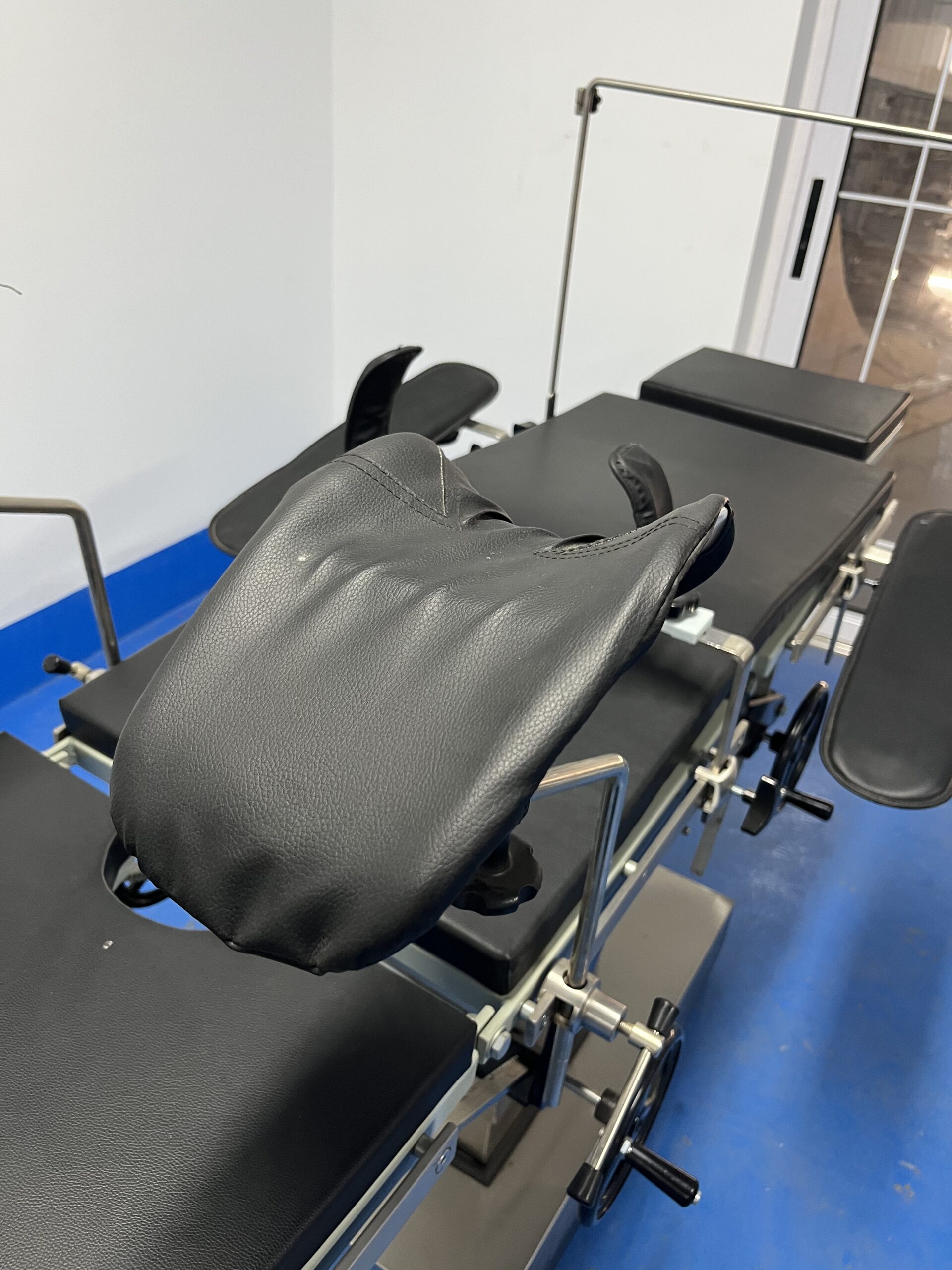
سلامة المريض: توزيع الضغط وملحقات التموضع
لا قيمة لتصنيف سعة طاولة مرضى السمنة المفرطة إذا فشل سطح التلامس مع المريض في توزيع الضغط بشكل كافٍ. المرضى ذوو مؤشر كتلة الجسم المرتفع معرضون لخطر متزايد للإصابة بقرحات الضغط أثناء الإجراءات التي تتجاوز ساعتين، والجمع بين كتلة الجسم الأكبر مع أوقات العمليات الأطول (عمليات السمنة المفرطة تستغرق عادة من 3 إلى 5 ساعات) يُنشئ ملف مخاطر متراكم لا تستطيع أنظمة المراتب القياسية معالجته.
Viscoelastic foam mattresses of 80 mm thickness or greater, with ultrasonically welded seams to prevent fluid penetration, represent the current standard for bariatric positioning. The foam density must be specified for the higher load range; a mattress optimized for 80 kg patients will bottom out under 250 kg, creating high-pressure points at the sacrum, heels, and scapulae. Some programs supplement the integrated mattress with gel overlay pads at documented pressure points, though this adds setup time and infection control complexity.
Positioning accessories also require bariatric-specific variants. Stirrup systems, lateral braces, and safety straps must be rated for the higher loads. Standard lithotomy stirrups rated for 150 kg per leg are inadequate for a 250 kg patient in lithotomy position. The accessory rail system must provide clamp attachment points rated for at least 50 kg per point, and the rail itself must resist the bending moments created by heavy retractor systems under full table tilt.
Selection Decision Framework: Matching Specifications to Your Program
The following table summarizes the key selection parameters across the three bariatric capacity tiers. Use it as a structured checklist during procurement evaluation, confirming each parameter against your actual case mix rather than aspirational future volume.
| المعلمة | Tier 1: Reinforced General (275-325 kg) | Tier 2: Dedicated Bariatric (450-500 kg) | Tier 3: Super-Obese / Referral (500+ kg) |
|---|---|---|---|
| حمل العمل الآمن | 275-325 kg | 450-500 kg | 500-600 kg |
| عرض سطح الطاولة | 540 mm | 560-630 mm | 630 mm or custom |
| نظام الدفع | Electro-hydraulic | Electro-hydraulic (high-flow) | Electro-hydraulic (dual-pump) |
| Trendelenburg Range | Plus or minus 35 degrees | Plus or minus 35-40 degrees | Plus or minus 30-35 degrees (stability-limited) |
| Base Configuration | T-base or single column | Widened H-base | Fixed-base or dual-column |
| Radiolucent Top | Optional carbon fiber section | Full-length carbon fiber standard | Full-length carbon fiber standard |
| Typical Application | Mixed caseload with occasional bariatric | Dedicated bariatric program, 50+ cases/year | Regional referral center, BMI 60+ patients |
| الامتثال لمعيار IEC 60601-2-46 | Required, tested at stated SWL | Required, tested at stated SWL | Required, plus facility floor-load verification |
Beyond the capacity tier, confirm these procurement checkpoints before issuing a purchase order: request the manufacturer’s IEC 60601-2-46 test report demonstrating compliance at the full stated SWL (not merely at the 135 kg reference mass); verify battery backup duration and emergency-return function under full load; confirm accessory rail compatibility with your existing stirrup and retractor inventory; and validate that the table’s lowest height position accommodates your patient transfer workflow. For negotiating warranty terms on high-capital equipment like bariatric tables, our دليل التفاوض على ضمان طاولة العمليات covers the contract clauses that protect against premature hydraulic seal failure and structural fatigue claims.

الخاتمة
Selecting a bariatric operating table is a structural engineering decision disguised as a procurement exercise. The weight capacity number on the specification sheet is the starting point, not the conclusion. Tabletop geometry, base stability envelope, drive-system performance under sustained load, imaging compatibility, and accessory ecosystem maturity all determine whether the table will perform safely and efficiently across a five-to-ten-year service horizon.
النقاط الرئيسية:
- Match the SWL tier to your actual case mix: 275-325 kg for occasional bariatric cases within a mixed caseload, 450-500 kg for dedicated programs, and 500 kg or above for super-obese referral populations. Always add 20-40 kg for instruments and accessories.
- Tabletop width of 560 mm minimum (630 mm preferred) is as critical as the weight rating for lateral stability and pressure distribution during tilt positioning.
- Require IEC 60601-2-46:2023 test documentation demonstrating compliance at the full stated SWL, including Annex AA mass distribution scenarios, not just the 135 kg reference.
- Evaluate drive-system performance under full load, not no-load: positioning speed, battery emergency-return capacity, and hydraulic locking valve integrity all degrade differently at 450 kg versus 150 kg.
If your surgical program is scaling bariatric volume or your general caseload is trending toward higher patient weights, the capital investment in a properly specified high-capacity table pays for itself in avoided case delays, reduced accessory damage, and lower long-term maintenance costs. We invite you to review our full من طاولات العمليات and discuss your specific capacity and configuration requirements with our engineering team.
الأسئلة المتكررة
ما هو الحد الأدنى لسعة الوزن لطاولة عمليات السمنة المفرطة؟
لبرنامج جراحة السمنة المخصص، يُوصى بحمل عمل آمن أدنى يبلغ 450 كجم. وهذا يشمل كتلة المريض بالإضافة إلى الأدوات وأنظمة المباعدات وملحقات التموضع التي تضيف 20-40 كجم إلى الحمولة الكلية على سطح الطاولة.
كيف ينطبق معيار IEC 60601-2-46 على طاولات مرضى السمنة تحديدًا؟
IEC 60601-2-46:2023 requires structural integrity and stability testing at the manufacturer’s stated SWL. Annex AA provides mass distribution guidance for patients exceeding 135 kg, directly relevant to bariatric load scenarios where patient mass far exceeds the standard reference.
هل يمكن تعديل طاولة العمليات القياسية لاستخدامها في حالات السمنة المفرطة؟
عمومًا لا. القدرة الحقيقية لدعم السمنة المفرطة تتطلب إعادة تصميم الهندسة الأساسية، وأسطوانات هيدروليكية أكبر، وألواح سطح طاولة أعرض، وقضبان جانبية معززة. إضافة مرتبة أكثر سمكًا إلى هيكل قياسي لا تغيّر مسار الحمل الهيكلي أو نطاق الاستقرار.
ما هو عرض سطح الطاولة المطلوب لجراحة السمنة؟
يُوصى بحد أدنى 560 مم، مع تفضيل 630 مم للمرضى الذين يزيد وزنهم عن 250 كجم. يبلغ عرض الطاولات القياسية 500-520 مم. يوزّع العرض الإضافي الكتلة جانبيًا ويمنع إصابات الضغط الناتجة عن ملامسة الحواف أثناء الإجراءات الطويلة.
هل تتطلب طاولات البارياتريك تدعيماً خاصاً للأرضية؟
Tables exceeding 500 kg SWL with fixed-base installations may require structural floor-load verification. Mobile bariatric tables on castors distribute load across multiple contact points, but the total mass (table plus patient exceeding 800 kg combined) should be confirmed against the facility’s floor loading specification.
قد يعجبك أيضًا...

Gas Outlet Colour Coding and Pin Index: What Medical Equipment Importers Must Check
Medical gas systems are built on a simple principle: it must be impossible to connect...

Blood Donation Chairs: Specifying Seating for Donor Safety and Compliance
Blood establishments face a seating problem that ordinary furniture cannot solve: donors sit for 15...

Veterinary Grooming Tables: What Pet-Care Chains Should Spec
Pet grooming chains are scaling faster than their equipment sourcing, and the grooming table at...