
Between the hospital bed frame and the pressure-care mattress sits a small engineering problem most buyers never specify: keeping the mattress where it belongs. Retention failures show up as mattresses sliding toward the foot board, gaps opening between mattress and headboard that entrapment policies flag, and covers wearing prematurely from friction against the deck. The bed frame’s deck surface and retention features decide all of it, and they are among the cheapest lines to get right at specification time. This guide covers the retention mechanisms that work, the deck and gap dimensions inspectors measure, and how to pair frames and mattresses so the combination passes audit.
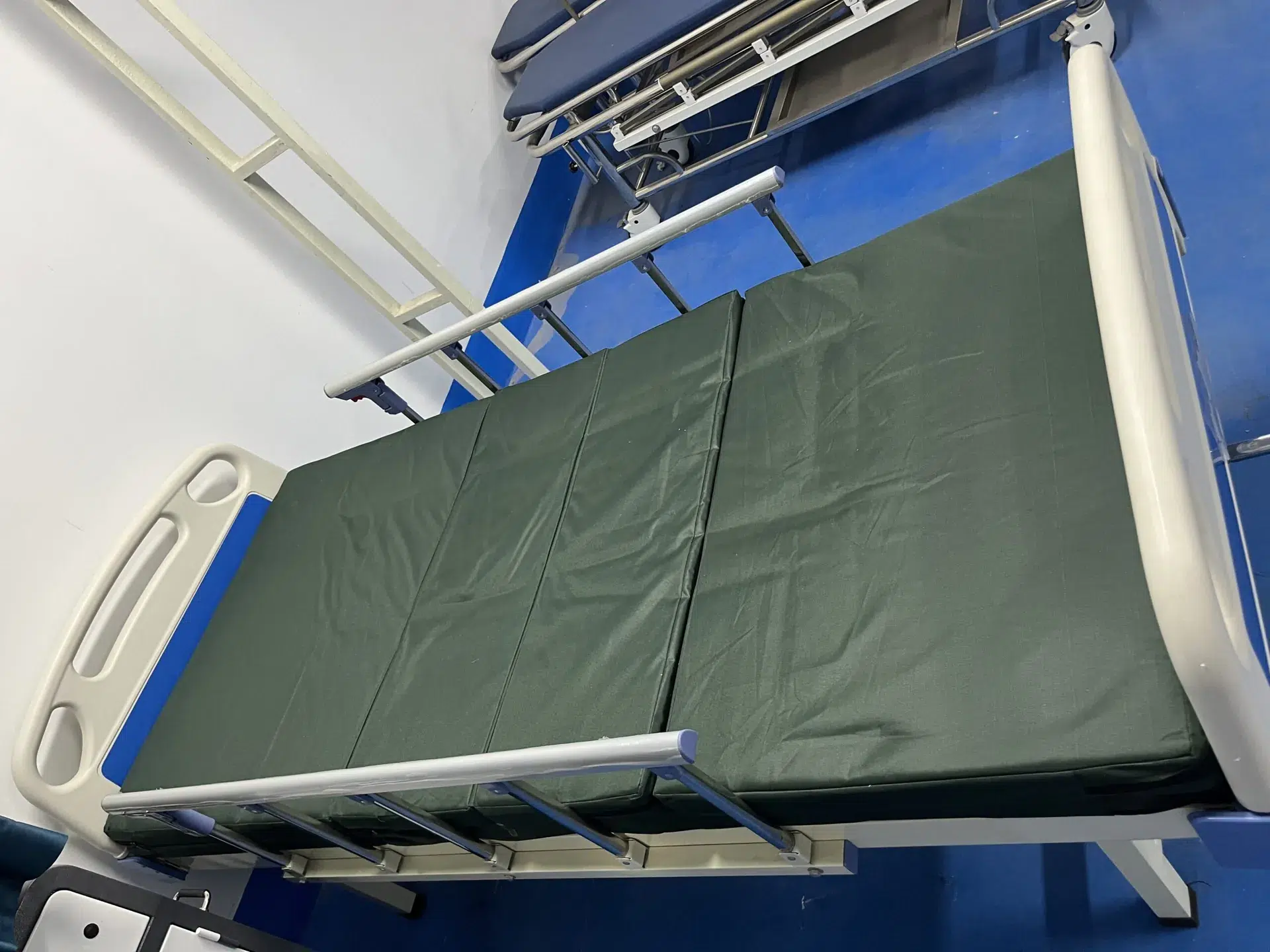
Why Mattresses Migrate and What Stops Them
Articulation is the force behind migration: every backrest raise slides the mattress toward the foot of the bed, and repeated cycles walk a loose mattress down the deck. The countermeasures are mechanical, and they layer. Deck surface texture, from stamped steel ribs to welded cross-bars, adds friction at the base. Retention keepers, angular boards or brackets at the head and foot ends, block lengthwise travel physically. Side rail geometry adds lateral containment, and mattress size tolerance completes the system, because an undersized mattress defeats every keeper. Quality frames combine at least two of these layers, and the interaction matters: keepers sized for one mattress thickness fail with another, which is why the frame and mattress order should reference each other rather than being placed as strangers. The articulation behavior itself, how backrest geometry moves the sleeping surface, is examined in our hospital bed positioning features guide.
Gap Dimensions and the Entrapment Audit
Retention also serves the entrapment audit, because the gaps a moving mattress creates are the gaps inspectors measure. Between mattress edge and side rail, between headboard and mattress top, and at the foot board, dimensions that widen when a mattress slides or sags become entrapment findings under hospital safety policy, and the rail gap standards behind those measurements are unpacked in our bed rail and entrapment gap guide. The specification implication is direct: state the mattress’s compressed and uncompressed dimensions in the bed order, and require the frame maker to confirm end-gap dimensions with that mattress profile installed. Facilities that inherit mixed fleets should measure the worst combination on the floor, because audits test the bed as found, not the brochure.

Deck Surfaces and Infection Control
Retention features live on the deck, and the deck lives inside the cleaning routine, so the two specifications interact. Removable deck boards, engineered surfaces that lift out for deep cleaning, let housekeeping reach spills and the debris that collects under a mattress that never moves. Solid welded decks clean differently, favoring smooth welds and drainage-friendly geometry. Keepers themselves should be sealed surfaces without crevices, and any fabric or strap-based retention belongs on mattresses rather than decks for the same reason. Buyers specifying for markets with aggressive disinfectant protocols should pair deck material choices with the decontamination guidance in our mattress decontamination guide, since chemistry that spares the mattress can still attack an incompatible deck coating.
Specifying the Frame-Mattress Pair
Four lines in the purchase order close the retention question. Mattress dimensions: length, width and compressed height, stated as the purchasing spec, not discovered on arrival. Retention hardware: keepers at head and foot, described in enough detail to be inspected on delivery. Gap confirmation: the maker confirms end and side gaps with the stated mattress installed, against the facility’s entrapment policy. Deck specification: surface type, removable or welded, and coating compatible with the facility’s disinfectants. Guard rail and bed safety dimensions have published reference standards from bodies such as ASTM International, which auditors may cite by name. Beds ordered against this set, from the hospital bed product line, arrive audit-ready, and the pairing decision rolls naturally into the fleet planning covered in our replacement cycle guide. For buyers comparing frame families across the range, the equipment catalog lists deck and rail configurations per model.
Video: Hospital Bed Production
FAQ
Why does my mattress keep sliding toward the foot board?
Backrest articulation walks an unrestrained mattress down the deck. The fix is mechanical: head-end keepers plus a deck surface with friction, and a mattress sized close to the frame’s internal length.
How does mattress movement become a safety finding?
A migrated mattress opens gaps at the headboard and rails that entrapment policies measure and flag. Keeping the mattress positioned keeps those dimensions inside policy without daily correction.
Are removable deck boards worth specifying?
For facilities with heavy disinfection routines, yes: boards that lift out let housekeeping clean under and around the mattress support properly, and they replace individually if damaged.
What should the bed PO say about the mattress?
Stated mattress dimensions, retention hardware named, gap confirmation with that mattress installed, and a deck finish compatible with your disinfectants. Four lines that make the pair audit-ready.
You May Also Like...

Marketing Translations That Stay Inside the Product File
Marketing translation approvals are a factory-controlled path that keeps translated headlines and claims inside the...

Importer of Record: Name the Role Before Shipment One
Importer of record is the party named to customs as bringing the devices into the...

Crate Envelope vs. a Working Hospital Route
A crate envelope is the volume a packed unit sweeps while turning, tilting and rolling,...