
The invoice price of medical equipment is the smaller half of its cost. The larger half arrives later: freight and installation, commissioning, clinician and technician training, and the year-one service costs that no quotation line item captured. Hospitals that budget only the purchase price discover the gap when equipment sits crated because the installation budget does not exist, or when staff bypass a device because training was never funded. This guide lays out the full installation and training budget structure, with realistic ratios and the contract terms that keep the numbers honest.
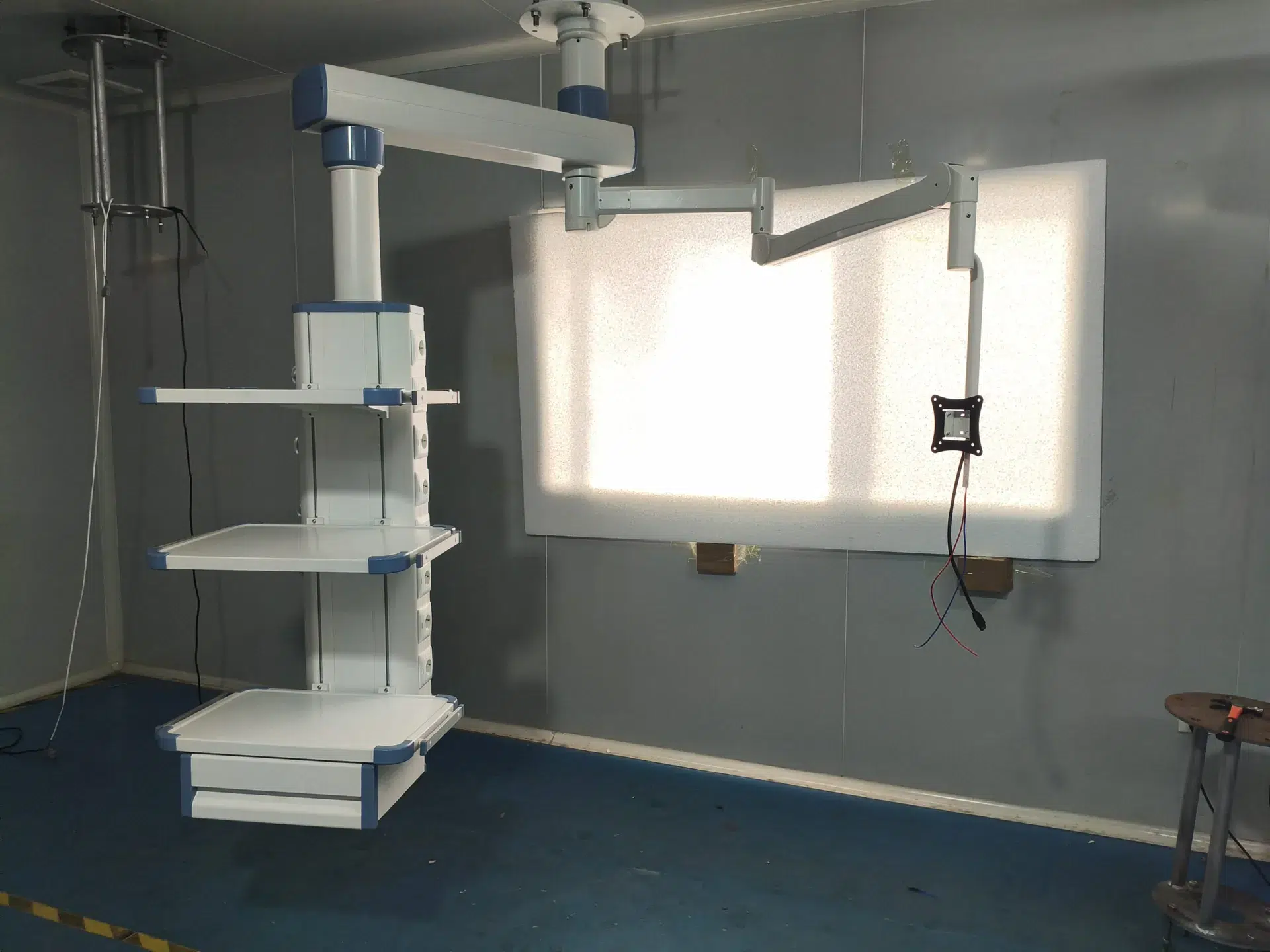
The cost structure beyond the purchase price
Five budget blocks make up the true cost of putting equipment into service. Installation infrastructure: electrical work, medical gas drops, structural mounts — pendant systems and ceiling-mounted lights carry real construction cost, the utilities layer we described for pendants in the endoscopy suite buildout guide. Freight, customs and last-mile handling: the import logistics whose documentation chain is covered in our procurement planning. Site commissioning: the installation, calibration and acceptance testing that turns delivered equipment into working equipment — gas outlet pressure and flow testing at installation, the discipline we documented in gas outlet pressure and flow testing. Training: clinician operation, technician maintenance and the train-the-trainer sessions that multiply one supplier visit into lasting staff capability. And year-one service: consumables, spare parts and the response-time commitments that determine downtime cost. A workable planning ratio for a mid-sized equipment project: installation and commissioning commonly runs eight to fifteen percent of equipment value, and training and year-one service together can reach a similar band — the exact numbers vary by equipment class, but the budget line items must exist before the gap becomes visible.
Training: the line item with the highest return
Training is where equipment budgets fail most quietly. The failure mode: the supplier quotes a half-day handover as “training included”, the hospital accepts, and eighteen months later the equipment’s advanced features are unused and its maintenance is performed by improvisation. The working budget structures training in three tiers: acceptance training (operation and safety, delivered at commissioning), maintenance training (technician-level care, troubleshooting and the lubrication and inspection routines we publish for our own equipment, like the trolley lubrication schedule), and refresh training (annual or on staff turnover, budgeted as recurring cost rather than one-time). Suppliers’ training commitments belong in the after-sales agreement with the same specificity as parts and response times — the terms we break down in after-sales service agreements: response times, parts and training. Equipment usage guidance and training frameworks in health systems are addressed by the WHO’s medical devices program, which publishes guidance on device management and training.
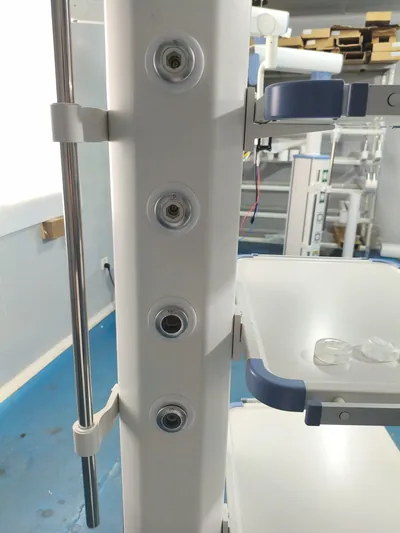
Contract terms that keep the budget honest
Four contract terms separate a controlled budget from a leaky one. Fixed-price commissioning: installation quoted as a scope with acceptance criteria, not a day-rate that inflates with delays. Training deliverables named: sessions, durations, attendee counts and materials, in the contract, so “training included” means something countable. Downtime commitments: response and resolution times with remedies, because downtime is a training and service cost wearing a different name — the LED module replacement economics in surgical light downtime cost analysis show how one component’s failure converts to department-level cost. And phased payment tied to acceptance: equipment payment milestones aligned with commissioning acceptance, so the installation and training phases carry commercial weight. The complete sourcing framework — including the OEM and turnkey options that bundle installation and training into one contract — is laid out in our hospital equipment procurement checklist and the equipment range it references.
Video: equipment installation projects
Installation and training are not extras on the equipment invoice; they are the bridge between purchase and use, and they deserve their own budget lines. Structure the five cost blocks, fund the three training tiers, and write the four contract terms — then the equipment budget covers what the equipment actually costs, and the department starts using what it bought.
You May Also Like...

Pricing Your Imported Equipment as a Distributor
A distributor’s price is not the factory price plus a flat markup. It is the...

Container Loading Plans: Volume and Cargo Protection
Container loading plans for medical equipment are the packing and stowage layout that decides how...

Purchase Order Terms: A Checklist for Medical Equipment Contracts
Five sections every medical equipment PO needs: annexed specs, Incoterms with milestones, delivery with commissioning,...