
Most first-year downtime on imported medical equipment is not a design failure; it is a missing part. A blown fuse, a worn caster, a dead handset battery, a scorched light module, each is a 30 minute fix on site, or a six week wait if the part sits in another hemisphere. The startup spare parts kit exists to close that gap.
This guide lists what belongs in the kit for OR and ward equipment programs, how many spares to buy per fleet size, what to reorder on schedule rather than stock, and how to price the kit into the original order while the freight is still cheap.

What belongs in the startup kit
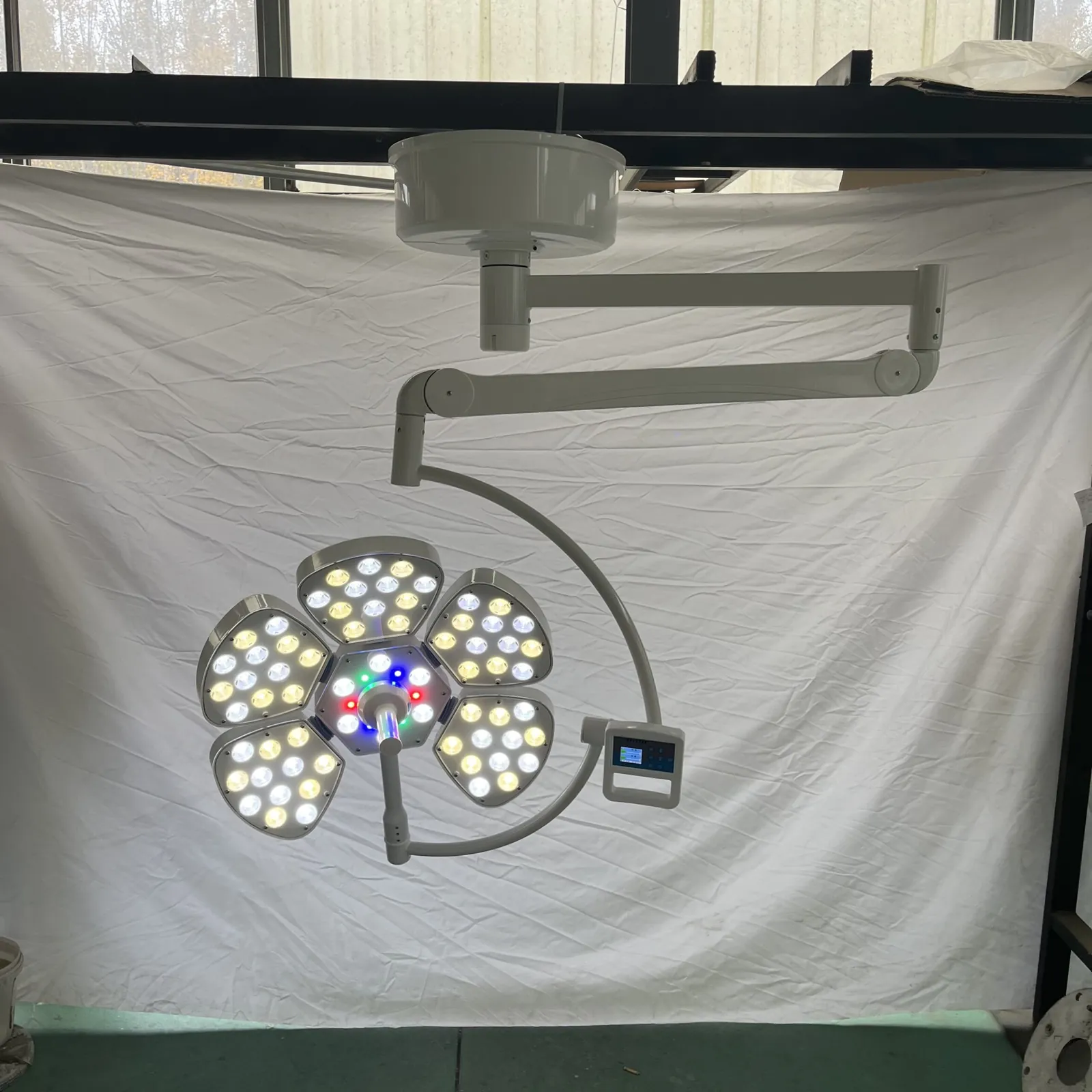
For a surgical light fleet, the kit is LED modules for each light model in the order, sterilizable central handles, control panel membranes, and the fuses specified for the power circuit. For operating tables: handset cables, the common actuator fuses, and one set of floor-lock and rail hardware per ten tables. For electric beds: one control box and one handset per twenty beds, plus casters, because ward casters wear on schedule. For pendants: gas outlet seals and O-ring sets, drawer slides if fitted, and the arm brake pads. Across all powered equipment: the internal batteries that hold settings and drive backup functions, the replacement logic we detail in our battery replacement cycles guide.
The organizing rule is wear-and-single-point: stock the parts that wear predictably, and the parts whose failure stops the whole device. Everything else, frame steel, upholstery, structural arms, fails so rarely that stocking it wastes budget and shelf life.
How many spares per fleet
Working ratios for a first container: one complete LED light module per two operating lights, one module per light if the hospital serves a remote region with slow courier access; two central handles per light, since handles are dropped during reprocessing; one control box and one handset per twenty electric beds; one caster set per ten ward devices rolling full shifts; fuses at ten times the socket count, because fuses are cheap and diagnose problems. A 36-bed ICU-plus-OR program carries a kit worth roughly 3 to 5 percent of the equipment value; a distributed clinic network with long logistics tails runs 5 to 8 percent. The fleet-logic behind these ratios is the same room-count arithmetic shown in our 36-bed ICU buildout case study.
The economics of buying spares with the machine
Spare parts priced on the original order travel at container freight rates and, negotiated as part of the machine deal, typically land at 40 to 60 percent of the later single-part catalog price with air courier added. A light module bought with the order might cost the equivalent of a service call; bought alone two years later, it costs the module plus express freight plus import paperwork plus downtime. A second saving matters more: parts bought with the machine match the machine. Firmware revisions and connector types drift over a product’s life, and the module pulled from the same production batch is the one that fits without argument. Module-level replacement economics are worked through in our LED module replacement guide.
Warranty coverage does not replace the kit. Warranties cover defect, not wear, and even a defect claim ships the part on the next scheduled freight unless the hospital pays express. Hospitals that depend on uptime buy the kit anyway and let warranty replace the stock afterwards; the discipline of managing equipment lifecycles is part of the health technology management practice promoted by the World Health Organization.
What to reorder on schedule instead of stocking
Some parts are consumables with known clocks, and the right move is a reorder calendar, not deep stock. Internal backup batteries: 2 to 4 year service life, reorder at year two for the fleet. Light module fans and filters: align with the maintenance visit schedule. Gas outlet seals in pendants: replace at the annual pressure test, our outlet testing guide covers the test itself. Casters on high-traffic ward fleets: 24 to 36 months, as noted in our trolley selection guide. A one-page spreadsheet mapping each fleet to its wear parts and clocks is the entire tool; the distributor agreement should name who supplies those reorder parts and at what price basis, the terms covered in our distributor agreement guide.

Negotiating the kit into the order
Three clauses do the work. First, the kit list as an order attachment with part numbers and quantities, so it is priced once, at order rates, and ships in the container. Second, a price basis for reorder parts, catalog price plus a fixed discount, held for a defined period such as five years, so year-three orders do not rediscover pricing. Third, storage and accountability: the hospital stores the kit as controlled stock with the biomedical department, and the SAT handover includes a kit inventory, which ties naturally into the acceptance process most buyers already run. Programs delivered through Sanyang include the kit list at quotation stage, with long-term support through the spare parts service and OEM configuration support on the OEM and ODM page.
Frequently asked questions
What spare parts should a new hospital order with its equipment?
LED light modules, handles, fuses, bed control boxes and handsets, caster sets, gas outlet seals and internal batteries: wear parts and single-point failures, not structural components.
How much should the startup kit cost?
Roughly 3 to 5 percent of equipment value for a hospital program, 5 to 8 percent for distributed clinic networks with long logistics tails.
Why buy spares with the machine instead of later?
Container freight instead of courier, typically 40 to 60 percent lower part cost, and parts from the same production batch that match the installed firmware and connectors.
Does warranty replace the need for a kit?
No; warranties cover defect, not wear, and replacement parts ship on scheduled freight unless the hospital pays express, so uptime still depends on local stock.
Buy the parts while the container is open
The startup kit is the cheapest uptime insurance in the program: one attachment on the purchase order, priced at order rates, riding at container freight. Sanyang quotes kit lists with every equipment program, restocks them through spare parts service, and starts new programs at the contact page.
For a closer look at how orthopedic and standard beds fit into ward planning, see orthopedic hospital beds.
For a practical monthly checklist that keeps beds in service, see hospital bed maintenance checklist.
Related reading: after-sales service agreements.
For more detail, see our Comparing Quotes.
You May Also Like...

Pricing Your Imported Equipment as a Distributor
A distributor’s price is not the factory price plus a flat markup. It is the...

Container Loading Plans: Volume and Cargo Protection
Container loading plans for medical equipment are the packing and stowage layout that decides how...

Budgeting for Installation and Training Costs
The invoice price of medical equipment is the smaller half of its cost. The larger...