
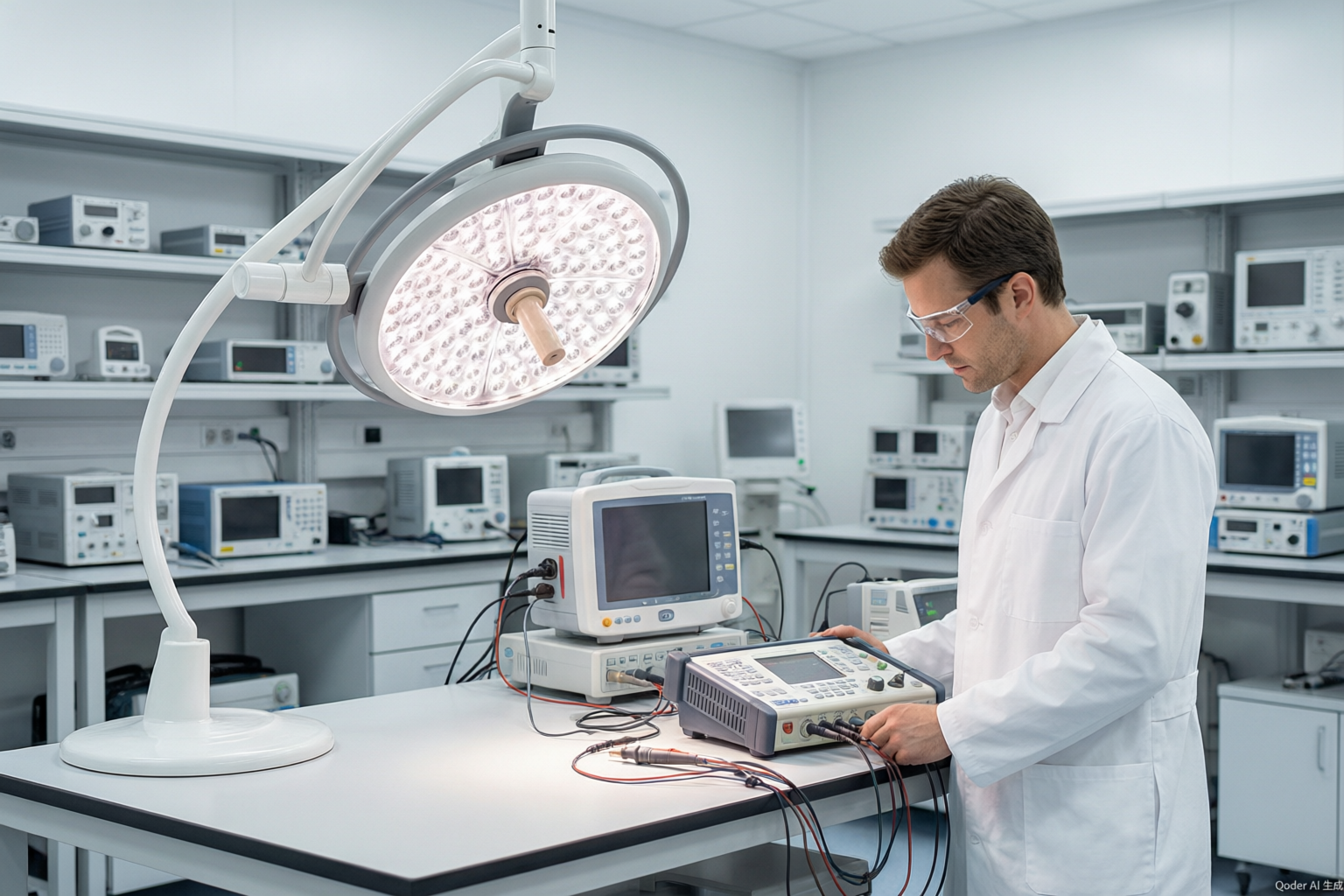

Subject: OR documentation handover — missing CE certs on surgical lights.
I still remember the call from a biomedical engineer in Nairobi who had just taken delivery of a full OR suite. The pre-production sample looked fine, but when the mass production run arrived, the serial numbers on the operating tables didn’t match the paperwork. That $50K order sat in storage for three weeks while we scrambled to pull manufacturer-direct certificates from our factory archive — a process that should have taken two hours, not three weeks. That experience taught me something I now apply to every turnkey project: a clean OR documentation handover is not an administrative afterthought; it’s the difference between passing your first accreditation audit and explaining non-conformities to a surveyor.
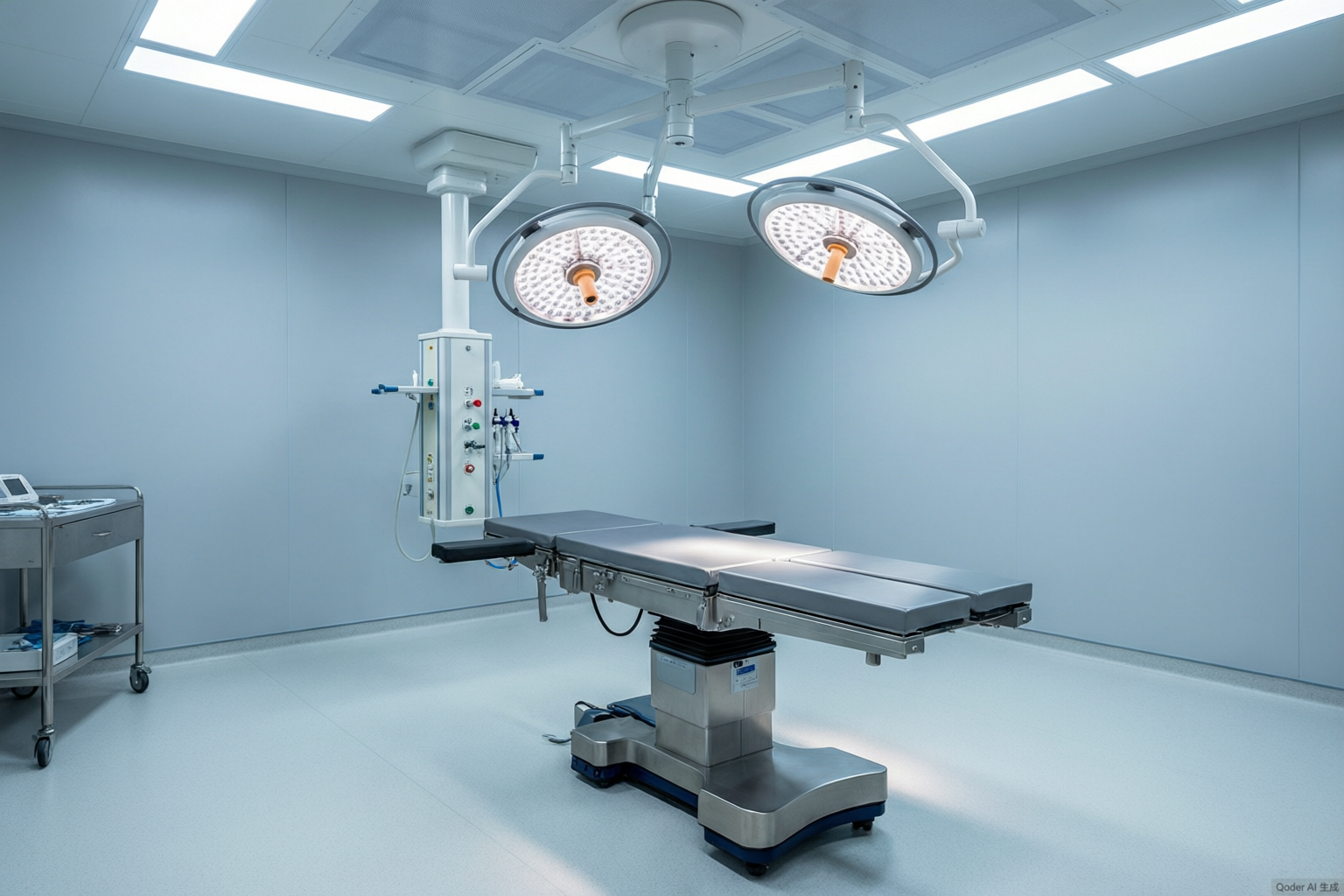
Why Post-Handover Documents Are Critical
30% of hospital accreditation non-conformities trace back to missing post-installation documents.
I have sat through enough accreditation audits to know that the biomedical engineer is the one who gets the call at 9 PM asking for a CE certificate from 2018. When the documentation package is incomplete, the entire OR commissioning gets flagged. Regulators do not care about verbal promises; they want proof that every surgical light, operating table, and pendant was installed according to manufacturer specifications and meets local medical device regulations.
Regulatory Audits and Inspections
During a Joint Commission International (JCI) or local health authority inspection, surveyors will pull three random pieces of equipment from your OR and demand their full compliance trail. That trail includes: the declaration of conformity, CE certificate handover for OR equipment, installation report signed by a qualified technician, and calibration records if applicable. If any document is missing — even a single page — it becomes a non-conformity finding. Our internal data shows that lack of proper documentation is cited in roughly 30% of non-conformities during hospital accreditation audits. That percentage jumps higher in facilities that accepted equipment without demanding a formal turnkey OR documentation checklist at handover.
The fix is straightforward but rarely enforced: require your turnkey provider to deliver all surgical equipment compliance records before the installation crew leaves the site. Not two weeks later via email; physically hand them over room by room. A structured operating room handover documents folder — one per OR suite — saves your biomedical team weeks of chasing paper when the next audit arrives.
Preventive Maintenance Planning
Post-installation OR manuals are not just archival clutter; they are the foundation of every preventive maintenance (PM) schedule your team will run for the next decade. Without manufacturer-recommended intervals for lubricating table joints, cleaning pendant gas inlets, or checking surgical light intensity thresholds, your biomedical engineers are guessing. Guessing leads to skipped maintenance windows, which leads to equipment failure mid-procedure.
An OR equipment maintenance log template should be included in every handover package — pre-populated with the manufacturer’s service intervals for each device category. For example, an electric operating table requires quarterly inspection of its hydraulic seals and emergency stop function. A surgical pendant needs annual gas outlet flow testing and electrical safety checks per IEC 60601-1 standards. When these schedules are handed over digitally alongside the physical equipment, your team can load them directly into your computerized maintenance management system (CMMS) on day one instead of spending three weeks reverse-engineering them.

Essential Documentation for Each OR Equipment Category
30% of accreditation non-conformities trace back to missing equipment documentation.
Every equipment category in the OR carries its own documentation requirements. Handing over a generic binder of manuals is not enough. Biomedical engineers need category-specific records that prove compliance, support maintenance, and satisfy auditors. Here is what each category demands.
Surgical Lights and Pendants
Surgical lights and ceiling pendants are fixed installations, so the documentation must cover both the equipment and the mounting. The CE certificate of conformity for the light head and the pendant arm should be separate documents. Electrical safety certificates per IEC 60601-1 are required for each light unit. Pendants additionally need load test certificates confirming the arm can handle the specified weight capacity plus a safety margin.
Light intensity calibration reports are the most commonly missing item during audits. Surgeons rely on specific lux levels at the surgical field. Without a calibration certificate showing the light meets the rated 40,000 to 160,000 lux range, the biomedical team cannot verify performance. IP rating documentation for the light housing is also necessary, especially for ORs with laminar airflow systems where dust ingress is a concern.
For pendants, the handover should include the gas and electrical outlet configuration diagram. This is critical when the biomedical team needs to add or swap outlets later. Without it, service calls become guesswork. A manufacturer like Sanyang Medical provides these diagrams as part of the standard handover package, which cuts the typical 2-3 week document gathering process down to immediate delivery.
Operating Tables and Beds
Operating tables require a different document set because they are electromechanical systems with patient weight implications. The weight capacity certification is the starting point. Most tables are rated between 200 kg and 350 kg, but the certification must match the specific model in the OR. Hydraulic system test reports confirm the table holds position under load. If the table uses a backup battery system, the battery certification and expected lifespan must be included.
Radiolucent tabletop certification is another document that auditors check. The tabletop must allow X-ray imaging without distortion, and the certification confirms the material meets the radiolucent standard. This is especially important in hybrid ORs where imaging and surgery happen simultaneously. The manual should include a diagram of the tabletop zones and which sections are fully radiolucent.
Emergency release documentation is non-negotiable. Every operating table has a manual override mechanism in case of power failure. The biomedical team needs a clear procedure document showing how to release the table from any position. A well-organized digital document package covering these items can reduce future service response times by up to 40% according to industry data, because technicians arrive with the correct parts and procedures.
Control Panels and Integration
Control panels and integration systems are the most documentation-heavy category because they involve software, networking, and multiple device coordination. The handover must include software validation reports showing the system has been tested for all operating modes. Alarm testing records are critical. The biomedical team needs to verify that every alarm condition triggers correctly and that the alarm log is accessible.
Network integration documentation should cover the communication protocol used, IP addresses assigned to each device, and the firewall rules required for safe operation. Without this, the hospital IT team cannot integrate the OR equipment with the hospital network without risking security gaps. The system architecture diagram is the single most important document in this category. It shows how the surgical lights, table, pendant, and display monitors connect and communicate.
Backup and recovery procedures must be included. If the control panel software crashes, the team needs a documented process to restore the system without losing configuration data. This is a common finding during hospital accreditation surveys. Facilities that have a complete digital handover package with these documents pass the integration section of the audit in hours rather than days.
How to Organize and Archive OR Records
A well-organized digital document package can reduce service response times by up to 40%.
Digital vs Physical Filing
Hospital accreditation audits cite missing documentation in 30% of non-conformities. Physical filing — paper binders stored in a manager’s office — creates a single point of failure. A fire, a misplacement, or a staff change can wipe out years of compliance records.
Digital archives solve this. Use PDF/A format for long-term retention and tag each file with equipment ID, serial number, and document type. A turnkey provider like Sanyang Medical delivers manufacturer-direct documents at handover — CE certificates, wiring diagrams, and maintenance logs — so you skip the 2-3 week gathering process entirely.
- Searchability: Digital files let you locate a specific calibration certificate in seconds versus hours digging through physical binders.
- Space: One hard drive holds the equivalent of a roomful of paper. No off-site storage costs.
- Durability: Paper fades, tears, and gets lost. PDFs with checksums remain intact for decades.
- Version Control: Centralized digital storage prevents multiple engineers from working from outdated paper copies.
- Audit Trail: Every access and update is logged — essential for JCI or ISO 15189 audits.
- Remote Access: On-call engineers can pull up maintenance logs from home, reducing emergency response time.
Sharing with Biomedical Teams
Biomedical engineers need continuous access to equipment documentation — not just on handover day, but for the life of the equipment. A shared digital repository with role-based access ensures the right people see the right documents without version control chaos.
Include in every share: operating manuals, preventive maintenance schedules, spare parts lists, CE certificates, and warranty terms. When the biomedical team can pull up a wiring diagram in under 30 seconds, they diagnose faults faster and reduce downtime. That directly impacts surgery schedules and patient outcomes.
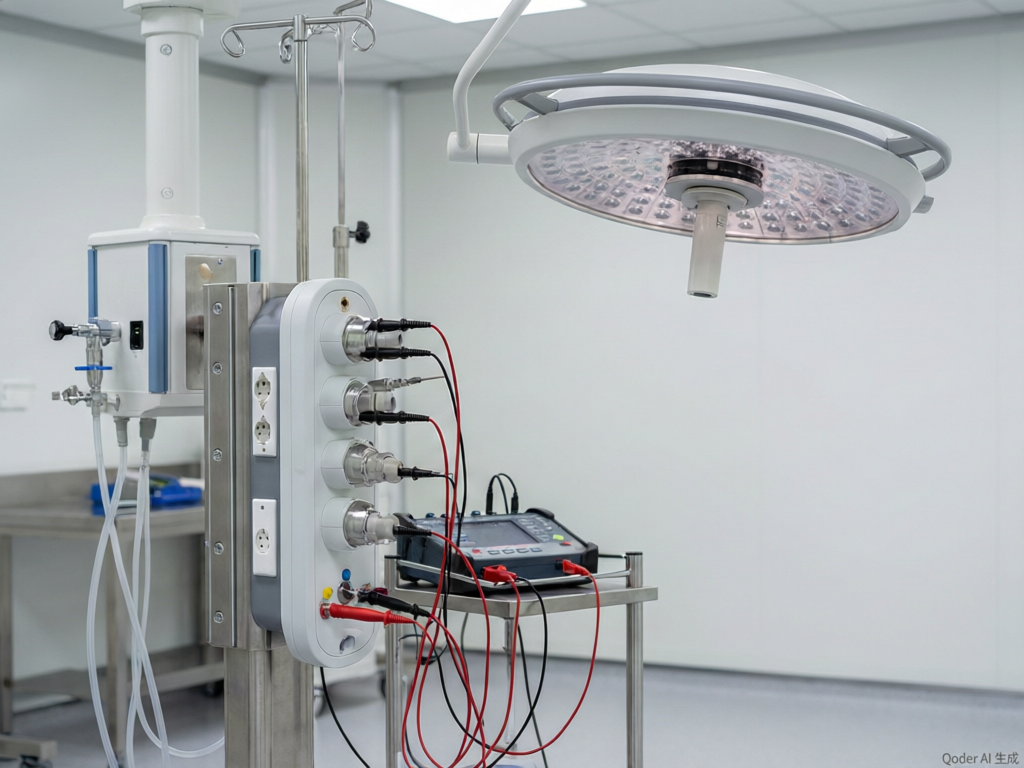
Conclusion
A post-handover documentation package isn’t a formality—it’s the operational spine of your OR. Without it, a $50K installation can stall accreditation or delay a critical repair by weeks. The documents you gather today determine how fast your biomedical team can respond tomorrow.
- 30% of hospital audit non-conformities stem from missing documentation.
- Manufacturer-direct documents cut handover time from weeks to immediate delivery.
- A structured digital archive can reduce service response times by up to 40%.
If your current turnkey provider didn’t supply a full document set at handover—including CE certificates, wiring diagrams, and maintenance logs—you’re carrying unnecessary risk. Review your OR equipment compliance records against the checklist above, then compare what you have against what Sanyang Medical includes as standard in every project delivery. A single missing document can cost far more than the time it takes to verify your files now.
Frequently Asked Questions
What documents are critical for surgical lights after handover?
You need the CE declaration of conformity, installation certificate, user manual, and maintenance log. Without these, you risk non-conformities during hospital accreditation audits and delayed service responses. Request these four documents from your supplier before final payment.
How to organize OR documentation for audits?
Use a digital folder structure sorted by equipment category and handover date, with a master index for quick retrieval. Physical copies should be kept in a fireproof cabinet, but digital is preferred. Start with a shared drive access for your biomedical team.
What to do if CE certificates are missing?
Contact your supplier immediately to request a certified copy from their notified body. If the supplier cannot provide it, you may need to arrange third-party testing, which can delay OR commissioning by. Verify CE certificates are included in your contract’s delivery checklist.
Which equipment requires the most post-handover documentation?
Surgical lights and pendants demand the most paperwork because of their electrical safety and integration complexity. Operating tables and beds typically require fewer documents, but still need load testing reports and warranty terms. Prioritize documentation for powered equipment first.
You May Also Like...

Modular vs Traditional Operating Rooms: Cost Comparison
When evaluating modular vs traditional OR construction, every contractor I meet has a strong opinion—but...
OR Equipment Coordination Checklist: Avoid Costly Delays
The real test of an OR equipment coordination checklist happens not when you place the...
Surgical Light Arm Rebalancing: The $30 Gas Spring Fix
90% of drifting surgical light arms are fixed by replacing the gas spring — a...