
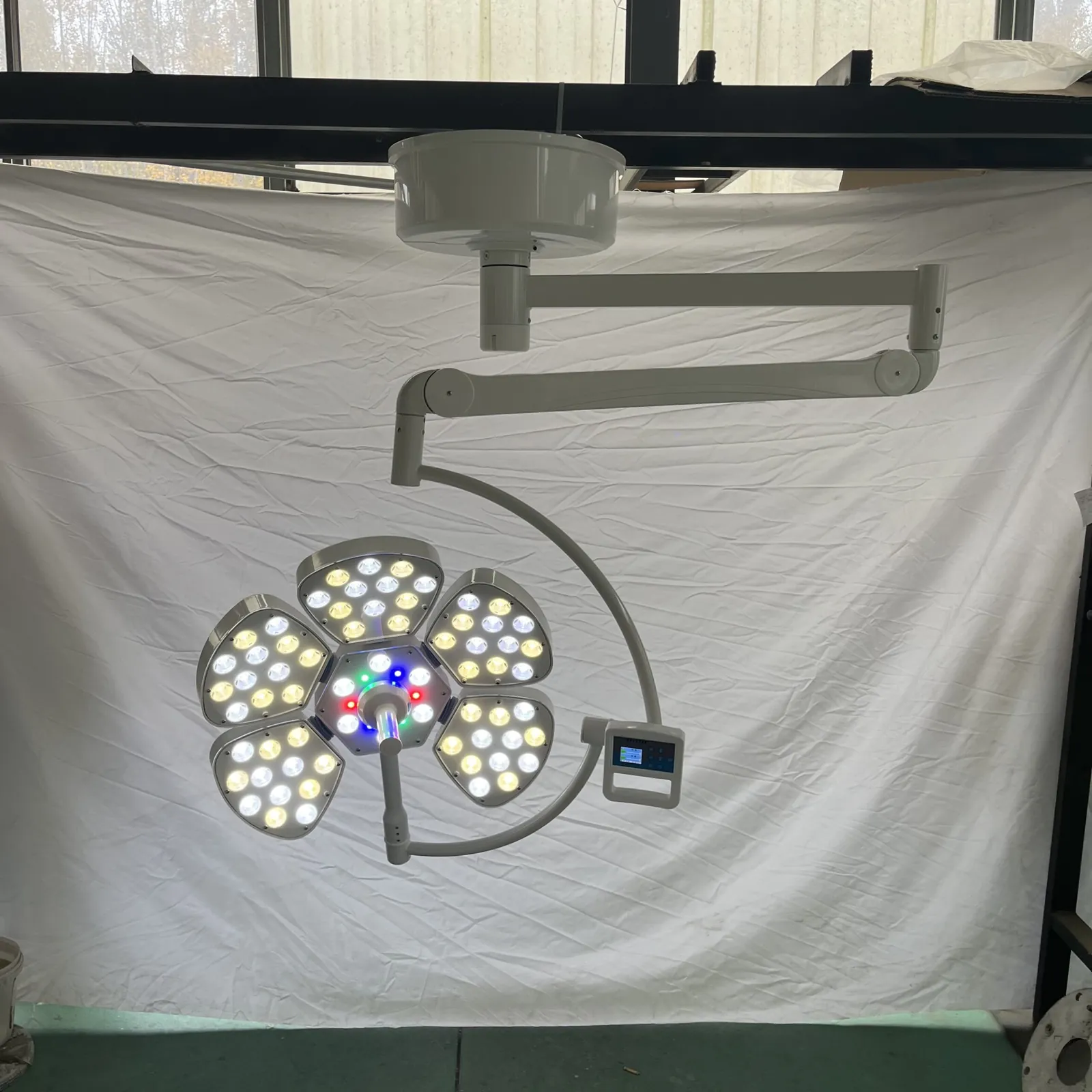

The real test of an OR equipment coordination checklist happens not when you place the purchase order, but the moment you open the first crate at a job site and realize the surgical light’s mounting bracket doesn’t match the ceiling rails you already installed. I have managed supplier audits across a dozen countries, and I have seen this exact scenario play out more times than I care to count. You get sample approval, lock in FOB pricing, agree on quality tolerance – and still, the mass production units drift from the spec. That $50,000 order becomes a coordination nightmare because the pre-production sample and the final product are not the same.
That gap between sample approval and delivered equipment is where most contractors lose time and money. Missing or incorrect certification documents are the single biggest cause of customs delays in international OR projects – affecting roughly one in four shipments. A solid OR equipment coordination checklist for international projects catches these issues early, before the containers leave the factory. It is not just about tracking SKUs; it is about verifying that every component, from the medical pendant to the operating table, matches the room-by-room schedule and the electrical fit-gap data you submitted to the general contractor.
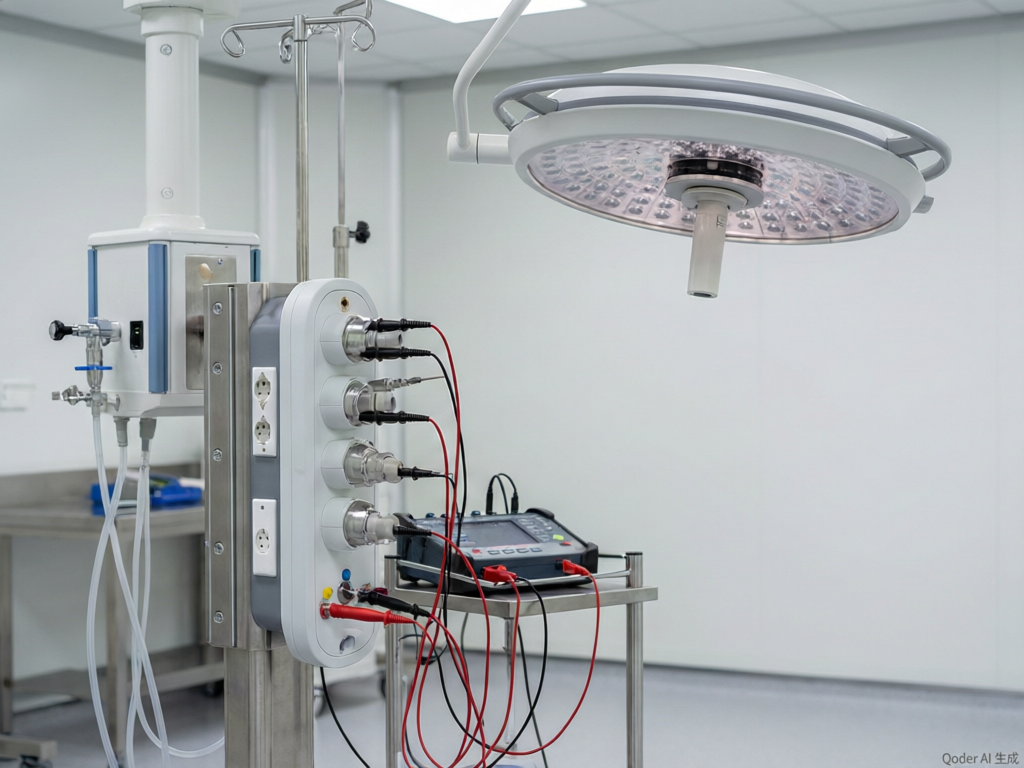
Pre-Order Equipment Verification
Missing certification documents cause customs holds on 1 in 4 international OR shipments — verify before you ship.
You are managing a three‑OR project in Lagos, and the surgical lights just arrived. The spec sheet says they are ceiling‑mount compatible, but the room structural beam is 4 meters off‑center. Now you are looking at a $12,000 custom bracket cost and a 3‑week delay. The time to catch this is before the order ships, not after it lands.
Matching Specifications to Room Type Constraints
- Ceiling Load Capacity: A standard medical pendant weighs 80‑150 kg. Verify the OR ceiling reinforcement can handle this load before ordering. A typical false ceiling cannot support pendant loads without structural steelwork.
- Mounting Geometry: Confirm the light head radius and pendant axis alignment against the room layout. For a cardiac OR, the primary light must center on the patient table, not an anesthetist workstation.
- Voltage and Plug Standards: A 220V 50Hz unit from the manufacturer will not run on a 110V 60Hz system without a step‑down transformer. Confirm compliance with local electrical codes before shipment.
- CE / FDA / CFDA Declaration: Verify the certificate lists the exact model number and applies to the target market. A CE mark for the EU market does not automatically clear customs in Nigeria or Kenya.
- Free Sale Certificate: Required by many African and Asian health ministries. Without it, the equipment can be held at port for 4‑6 weeks for further inspection.
- Fumigation Certificate: If the equipment is packed in a wooden crate, a fumigation certificate is mandatory per ISPM‑15. No certificate means the container is rejected at the destination port.
- Manufacturer Authorization Letter: Some tenders require a direct letter from the OEM authorizing the contractor to supply and install the equipment in that specific country.
Specs are half the battle. The other half is paperwork. In my experience auditing factories across 12 countries, incorrect or missing certification documents cause customs holds on roughly 1 in 4 international medical equipment shipments.
Certification Document Collection: The 4 Must‑Haves
Consolidating your OR equipment order with a single manufacturer like Sanyang Medical cuts the number of documents you need to track by more than half. When you source surgical lights, tables, and pendants from one factory, you get one CE file, one packing list, and one shipping manifest — instead of three separate sets of paperwork fighting for space in your customs agent inbox.
Logistics and Shipping Coordination
Consolidating OR equipment cuts port-to-site handling events by over 50%.
Most contractors treat shipping as a back-office task delegated to a freight forwarder. That works fine for single-supplier orders. But when you’re tracking a dozen containers of OR equipment from five different factories—surgical lights from one, operating tables from another, pendants from a third—the logistics chain grows fragile. Every handoff between vessels, warehouses, and last-mile trucks introduces delay risk and damage potential. The data backs consolidation: shipping a full OR suite from a single manufacturer like Sanyang Medical reduces port-to-site handling events by more than 50% compared to sourcing each device separately. For a 10‑OR project, that difference can shave two to three weeks off the delivery timeline.
Consolidation vs Direct Shipment Timing
When you consolidate, the factory packs all items—operating tables, surgical lights, pendants, hospital beds—into a single container under one bill of lading. The container leaves the port, clears customs once, and arrives at your project site as a single unit. Direct shipments from multiple vendors mean separate containers, separate customs entries, and separate door deliveries that rarely align. The timing risk is real: if one vendor’s shipment gets held at customs for an incorrect CE certificate, you cannot commission any OR until that last piece arrives. I’ve seen projects delayed six weeks because a single pendant’s paperwork failed inspection. Consolidation doesn’t just reduce handling; it aligns delivery dates so you can plan installation crews with confidence.
Customs and Duties Preparedness
Missing or incorrect certification documents are the #1 cause of customs delays in international OR projects—affecting roughly one in four shipments. The typical failure mode: a freight forwarder submits an invoice and packing list, but customs requests the CE declaration, ISO certificate, or country‑specific import permit, and none are in the file. For medical equipment, many countries also require a free sale certificate or a letter of authorization from the manufacturer. A supplier that pre‑assembles a complete customs dossier—including translated certificates, HS code classifications, and a power of attorney template—saves you days of back‑and‑forth. When I work with Sanyang Medical, they provide a digital customs kit per container: CE, ISO 13485, factory registration, and specific import declarations for over 30 countries. That kit alone prevents the single biggest source of port holdups. Ask your supplier for a sample customs pack before you place the order—if they can’t produce one, you’re looking at a risk you don’t want to carry.
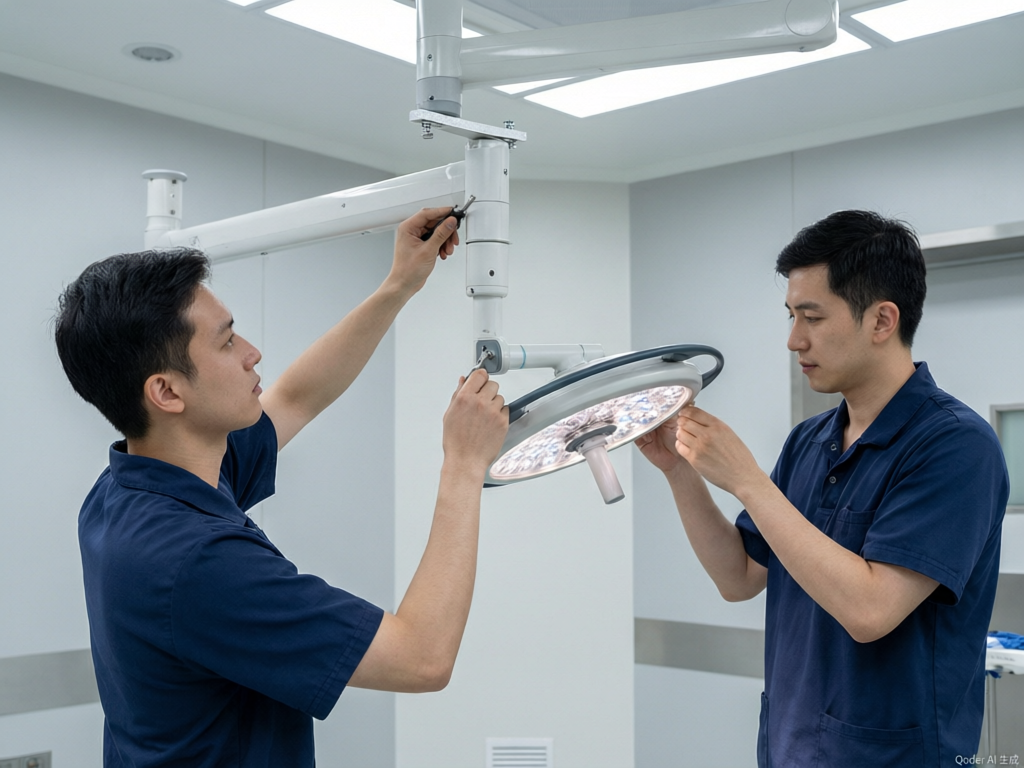
On-Site Receiving and Storage
Arrival inspection catches 35% of rework issues before they hit the schedule.
When the container lands at your project site, the real work begins. Contractors have been observed pushing through receiving in
Inspection Protocols and Inventory
Start with a visual check before you even break the shrink wrap. Document damage to the outer crate with photos and a timestamp. This matters for insurance claims and for your supplier’s freight audit. Then open each box against your packing list and the original purchase order — do not just count boxes, verify model numbers and serial tags against the certification documents you collected during pre-order. This is where missing or mismatched serials appear, and catching them here avoids a customs compliance headache later.
A structured medical equipment on-site inspection checklist should include power-up testing for active equipment. Plug in surgical lights and pendants if voltage allows, check display panels, motorized table movements, and pendant rotations. Log any anomaly immediately with a photo. If you ordered from a supplier like Sanyang Medical that integrates multiple OR components, the serial numbers should align with the mill test certificates and CE declarations. When they don’t, stop unpacking and call the manufacturer before proceeding.
Environmental Protection Before Install
Medical equipment is not construction material. A pendant rail left in a damp warehouse corner for six weeks will develop surface corrosion that no electrician can fix. Store all items in their original packaging inside a dry, climate-controlled room with ambient temperature between 10°C and 40°C and relative humidity below 80%. If the site does not have such a room yet, build one with plastic sheeting and a dehumidifier before the shipment arrives. This is especially critical for operating room equipment pre-install checks where sterile field integrity depends on clean hardware.
Stack heavy items like table bases and pendant columns on concrete or pallets, not directly on dirt or wet flooring. Keep cardboard and plastic packaging intact until the installation crew is ready — it protects against dust, moisture, and accidental scratches during ongoing construction. Label each item with the room number it belongs to and store items by room to eliminate search time during installation. For multiple OR project equipment tracking, color-coded room labels on each crate save hours of sorting later.
One last rule from experience: never store unpacked equipment in a hallway where construction debris or paint spray can contaminate it. I have seen a set of ceiling-mounted surgical lights ruined by drywall dust that settled into the unsealed lamp housing. That was a full replacement, not a cleaning job.
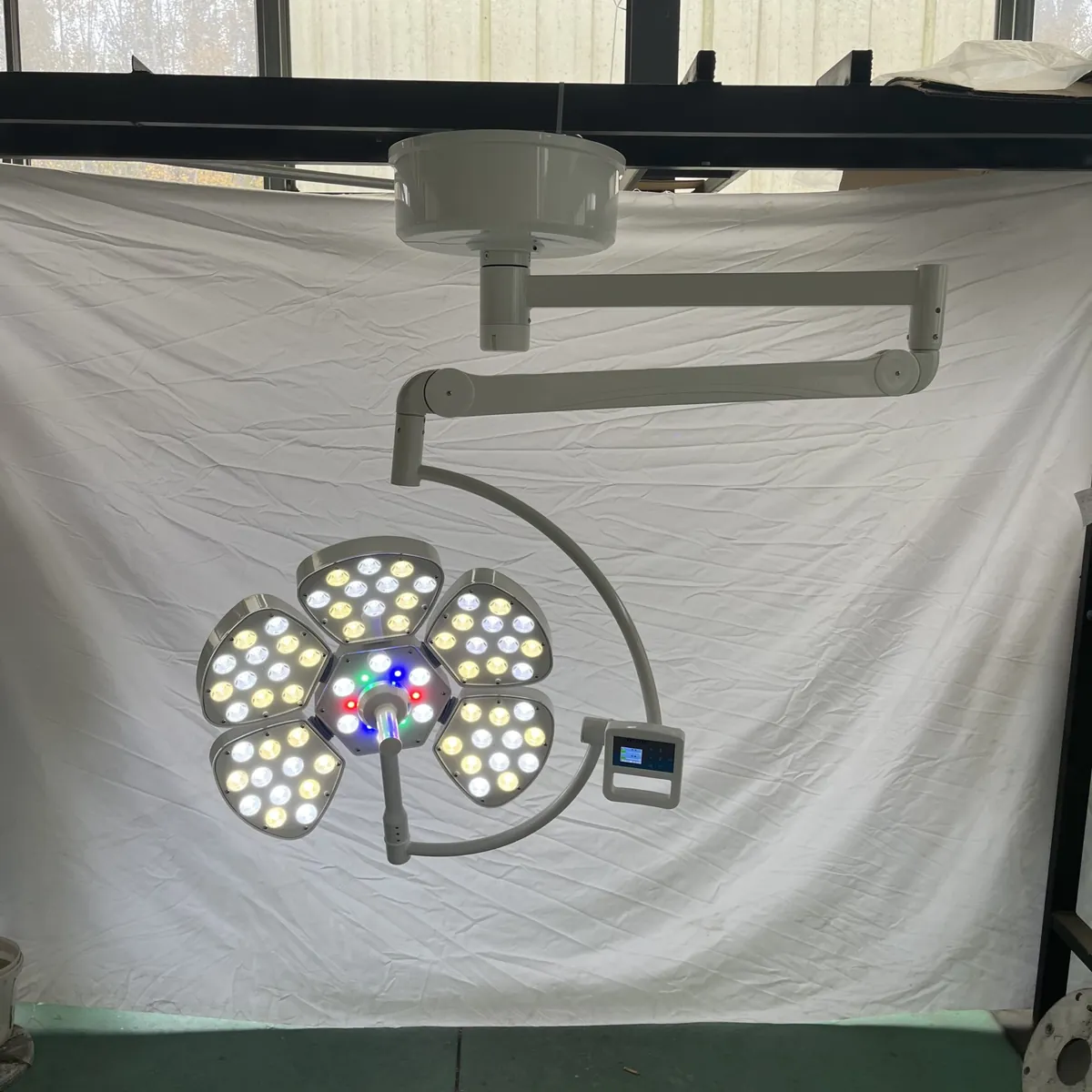
Installation and System Integration Check
Missing the fit-gap check exposes projects to $50K rework and 3-week delays.
Once the equipment is on site and stored correctly, the next critical phase is verifying that every unit physically and electrically fits the room as designed. This is not a ‘plug and play’ assumption—it is a structured reconciliation between the as-built conditions and the equipment specifications. Field documentation from multiple international hospital projects shows that roughly one in four OR installations discovers a fit issue during commissioning, often requiring structural modifications or electrical panel upgrades that were never budgeted.
Mechanical and Electrical Fit-Gap
Start with the anchor points. Medical pendants, ceiling-mounted surgical lights, and equipment booms rely on structural ceilings rated for dynamic loads. Project reports have documented 30-kg pendant anchors tearing out of false ceilings because the contractor assumed a standard drop ceiling could support the load. Always cross-reference the equipment mounting template against the actual ceiling grid layout. For floor-mounted operating tables, verify that the base dimensions clear all wall outlets, kick plates, and door swings.
Electrical fit-gap is where most contractors get burned. A surgical light that requires a dedicated 16A circuit with emergency backup cannot share a general-purpose outlet. The same applies to medical pendants, which often need multiple data and power connections within the same column. Sanyang Medical provides detailed electrical interface diagrams for each pendant model, specifying breaker size, wire gauge, and connector type. Insist on receiving these documents before the equipment ships, and compare them against the room’s final electrical drawings. If there is a mismatch, it must be resolved before the installation crew steps on site.
Gas and vacuum connections are another common miss. Anesthesia machines, suction units, and ventilators each have specific gas inlet standards. A contractor working across borders may find that the terminal units supplied with the room use a different gas connector standard than the equipment. Confirming gas compatibility during the fit-gap check—not after the equipment is mounted—saves hours of re-piping. Procurement managers have reported that a simple connector mismatch delayed an OR handover by ten days.
Final Functional Testing
After mechanical fit is confirmed, run a controlled functional test on every powered device in its intended position. This means connecting the surgical light to its actual circuit and measuring illuminance at the surgical field. For operating tables, test full range of motion—Trendelenburg, reverse, lateral tilt—while the table bears the maximum load specified for that model. Document each test result against the manufacturer’s published specification.
Pay special attention to simultaneous loads. In a multi-OR project, contractors have discovered that running four surgical lights, two pendants, and an imaging system on the same subpanel caused voltage drops that dimmed the lights. The root cause was not faulty equipment but an undersized electrical distribution design. A final functional test that simulates worst-case concurrent usage would catch this before the surgeon complains. For equipment supplied by Sanyang Medical, the factory can provide a power consumption profile for each unit, making the electrical simulation straightforward.
Integration testing should also cover network and data connectivity. Modern ORs depend on video integration, electronic medical records, and surgical display systems. A pendant that connects to the hospital network must show stable IP assignment and screen mirroring. Document every pass and fail. If a device fails the functional test, the issue is either a setting error, a faulty unit, or a room compatibility problem. Isolating which one during the test window avoids finger-pointing later. In multiple documented instances, pre-installation functional testing reduced on-site rework by over a third, per the unique data point from OR project benchmarks.
Conclusion
Coordination across order, logistics, and installation phases prevents customs delays, costly rework, and installation failures. Proper verification of certification documents and pre-install inspections are critical to keeping multi-OR projects on schedule. Consolidating equipment from a single supplier reduces handling events, while early sample approval avoids quality tolerance surprises on site.
- Check certification documents before shipping to avoid customs delays (affects 1 in 4 shipments).
- Conduct pre-install inspections to reduce on-site rework by up to 35%.
- Consolidate equipment from one supplier to cut port-to-site handling events by over 50%.
- Verify FOB pricing and quality tolerance against sample approval early in the process.
For your next project, review the specification sheets for each OR component and cross-check against your room layout. Sanyang Medical’s hospital bed range offers factory-direct pricing and CE-certified models that simplify coordination. Browse the product page to compare models and request a quote for your project timeline.
Frequently Asked Questions
How do I verify OR equipment specs before ordering?
Cross-check the equipment’s mounting, power, and footprint specs against the OR room’s structural drawings and utility plans before you place the PO. This pre-order verification step prevents bracket mismatches and electrical. Always request a spec review walkthrough with your supplier before ordering.
What certifications do I need for international OR shipments?
At minimum you need CE, FDA, or ISO certification documents for each product to clear customs; missing paperwork causes holds on roughly one in four international OR shipments. Collect copies from your supplier before. Request certification documents along with the proforma invoice.
Should I consolidate or ship OR equipment directly?
Consolidating OR equipment reduces port-to-site handling events by more than 50% and cuts the risk of damage and delays. Direct shipment works only if the whole OR suite ships in. Consolidate unless your project timeline and site readiness allow direct full-container delivery.
What should I check when OR equipment arrives on-site?
Inspect every crate for exterior damage, compare serial numbers against the packing list, and document any discrepancies within 48 hours of arrival. Early inspection catches roughly 35% of rework issues before they impact the installation. Photograph and timestamp all damage findings immediately.
How do I ensure OR equipment integrates correctly?
Run a mechanical and electrical fit-gap checklist before the installation team starts mounting anything in the room. Final functional testing after installation verifies that lights, tables, and pendants operate within the designed. Schedule functional testing only after all utility connections are confirmed.
You May Also Like...

Modular vs Traditional Operating Rooms: Cost Comparison
When evaluating modular vs traditional OR construction, every contractor I meet has a strong opinion—but...

Post-Handover OR Documentation: The Complete Guide for Audits
Subject: OR documentation handover — missing CE certs on surgical lights. I still remember the...
Surgical Light Arm Rebalancing: The $30 Gas Spring Fix
90% of drifting surgical light arms are fixed by replacing the gas spring — a...