
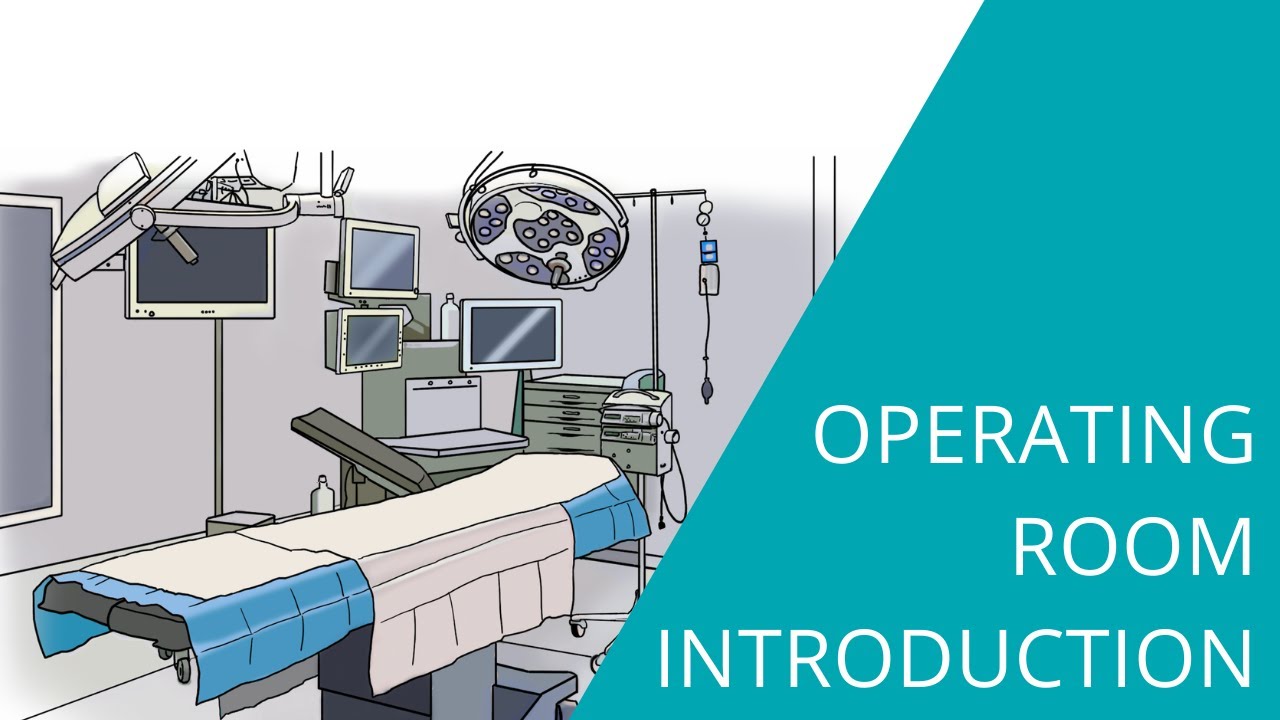
When mains power fails in an operating room, the surgical light, anaesthesia machine, monitors and suction must keep running without interruption. A generator alone does not achieve this, because the transfer takes seconds to minutes. A UPS alone does not achieve it either, because batteries drain. The correct architecture layers both, and the procurement decision between them is not either-or but where each sits in the chain. This guide compares the two technologies against the operating room’s actual power requirements.

What Each Technology Does
A generator is a rotating machine, diesel or natural gas, that starts on signal from an automatic transfer switch and supplies the building’s essential circuits. Start and transfer take 8 to 30 seconds depending on the engine and switchgear, and the unit then runs as long as fuel lasts. Generators carry whole departments: HVAC fans, chillers, sterilizers and OR sockets together.
A UPS is a battery inverter system that switches or bridges within milliseconds and carries its rated load for minutes to hours depending on battery capacity. In the OR, a UPS typically covers surgical lights, anaesthesia machines, monitors, suction and IT, sized for 10 to 60 minutes of autonomy, which is the bridge window until the generator takes over.
The Transfer Gap Is the Whole Argument
An anaesthesia machine recovering from a power interruption reboots through a self-test that takes minutes, and a ventilator that drops mid-case is a clinical emergency. A surgical light that blacks out for even 10 seconds during a critical manoeuvre is unacceptable. These loads cannot ride through the 8 to 30 second generator transfer window, which is why the UPS sits between the OR and the transfer switch.
The layering works like this: mains failure occurs, the UPS carries the OR loads within 5 milliseconds, the generator starts and the transfer switch moves the building onto generator power, and the UPS recharges from the generator supply. Each layer covers the other’s weakness: the UPS covers the transfer gap, and the generator covers the battery runtime limit.

Standards That Govern OR Power
Health care facility electrical systems in North America follow NFPA 99, which defines the risk categories for patient care areas and the essential electrical system requirements that flow from them. Operating rooms are Category 1 spaces: loss of power can cause major injury or death, and the standard requires the essential system architecture that includes both the alternate power source and the critical branch feeding OR lighting and life support equipment.
The environmental side interlocks with power: ASHRAE Standard 170 sets ventilation requirements for ORs, and the HVAC equipment that maintains positive pressure sits on the generator branch. A power strategy that covers the surgical light but drops the air handling fails the room as a system, which is why the generator sizing must include the HVAC load.
Sizing and Runtime Planning
Generator sizing starts from the essential load list: OR lighting, anaesthesia, monitors, HVAC for the surgical suite, sterilizers where the hospital continues reprocessing during outages, plus elevators and life safety systems. A 200 to 400 kVA generator covers a small surgical department; the sizing calculation belongs to an electrical engineer, and the procurement document should demand the load list and sizing report with the quotation.
UPS sizing runs in kVA with the autonomy time stated. A single OR’s critical loads run 3 to 6 kVA, so a 10 kVA online double-conversion UPS with 30 minutes of battery covers one room with margin. Modular UPS systems allow parallel battery cabinets to extend runtime without replacing the inverter. Procurement should specify online double-conversion topology, not line-interactive, because the double-conversion output stays clean and uninterrupted during switchover.
Maintenance and Testing Regime
Both systems fail through neglect. Generators need load-bank testing under real load, monthly no-load starts, and fuel polishing or replacement on a schedule. A generator that starts on its monthly test but has never run loaded can fail on the day because of a fuel or cooling fault that only appears under load.
Batteries age predictably: a sealed lead-acid UPS battery lasts 3 to 5 years, and lithium variants last longer at higher cost. The maintenance contract should include annual battery impedance testing and a dated replacement plan, because battery failure is the leading cause of UPS failure on discharge. Device-level safety guidance for hospitals from ECRI repeatedly ranks backup power failures among the top health technology hazards, which makes the testing regime part of the clinical safety plan rather than a facilities afterthought.

Procurement Recommendation
The procurement document should treat generator and UPS as one system with two specifications: the generator spec names the essential load list, fuel autonomy of 24 to 72 hours, and the transfer time target of under 15 seconds; the UPS spec names the critical OR load in kVA, online double-conversion topology, 30-minute autonomy at rated load, and battery replacement terms. Buying either piece without the other leaves a gap that a real outage will expose, and the cost of the missing layer is measured in cancelled cases and patient risk.
For OR equipment that connects to these systems, see our gama de productos covering surgical lights, tables and pendants, and the OR solutions pages for room-level planning guidance.
Preguntas Frecuentes
Why does an OR need a UPS if a generator is installed?
The generator transfer takes 8 to 30 seconds, and anaesthesia machines, monitors and surgical lights cannot ride through that gap. The UPS bridges within milliseconds and carries the critical loads until the generator takes over.
How long should an OR UPS run on battery?
A typical OR UPS is sized for 10 to 60 minutes of autonomy, covering the generator start and transfer window. Thirty minutes at rated load is the common procurement target.
What does NFPA 99 require for operating room power?
NFPA 99 classifies operating rooms as Category 1 spaces and requires the essential electrical system architecture with an alternate power source and a critical branch feeding OR lighting and life support equipment.
How often should OR backup power be tested?
Generators need monthly no-load starts plus periodic load-bank testing under real load. UPS batteries need annual impedance testing with a dated replacement plan, typically every 3 to 5 years for sealed lead-acid.
Para el dimensionamiento de campanas y detalles de zonificación de equipos, consulte nuestra guía de diseño de flujo laminar para quirófanos.
También te puede interesar...

After-Hours Maintenance Strategy: Minimizing OR Downtime
Operating room downtime is expensive because an idle OR still burns staff, overhead and scheduled...

Operating Table Battery Replacement: Procedure and Intervals
Operating table battery replacement is the routine swap of the integrated backup battery that keeps...

Trolley Lock Cylinder Maintenance: Keyed and Push-Lock Types
Medical trolleys fail at the lock. Not the frame, not the casters, not the drawers...