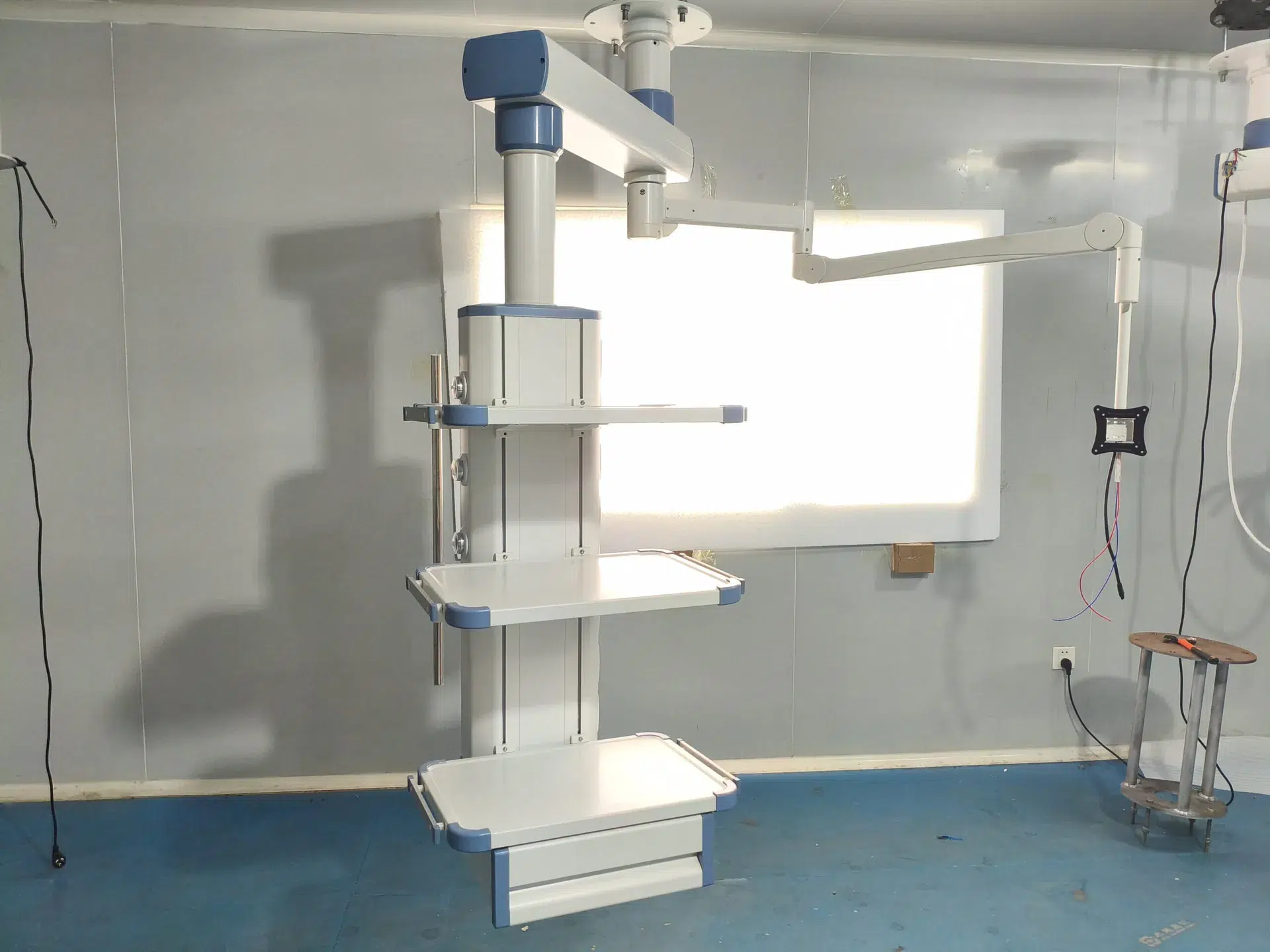

A control home map is the order page that pairs every handset, footswitch and panel with one named dock before the truck leaves. Surgeons need a reach position; porters need an off-floor park. In 2026, rooms that skip the map leave about 40 percent of controls without a labeled home on day one, while the remaining 60 percent arrive already seated. According to IEC 60601-1, operator interfaces must not create unacceptable risks in normal use. A free control on the floor fails that intent at unloading.
What Is a Control Home Map on Delivery Day?
A control home map is a single page that lists each control SKU, cable length class, and the dock code that owns it. First, the buyer marks surgeon reach docks and porter park docks as separate lines on the purchase order. Second, the factory prints matching labels for the control body and the dock face before packing. Third, packing photos show each control seated in its dock before the crate closes. In practice, the map sits in the same annex as the serial list, so receiving staff can tick homes without opening thick manuals. According to ISO 13485:2016 clause 7.5.1, production runs under controlled conditions. A map that never reaches the crate is not process control. For example, a dual-control table order with only one dock code will strand the second handset on a stool by lunch. Keep the map revision next to the packing list so every SKU maps to a dock.
Which Mount Options Must Appear as Order Lines?
Mount options are purchasable line items, not brochure icons on a marketing sheet. Rail clamps, wall cradles, column docks, cart brackets and boom clips each need a code the buyer can tick. According to IEC 60601-1 clause 7.2, markings must identify equipment and accessories in 2026 shipments. When 100 percent of controls share one anonymous mount kit line, about 25 percent arrive with the wrong interface for the room rail. First, publish which interfaces fit which control families before the bid closes. Second, freeze those codes on the purchase order with quantities. Third, refuse crates that substitute unlabeled hardware or mixed kits. In our QC records, wrong-interface kits are the top reason a porter cannot park a handset off the floor. For example, a table-rail clamp cannot seat a wall-channel dock without a second order line. Showroom rigs must use the same codes so dealers never demo a floor stand the export kit omits.
How Should Reach and Park Lines Differ on the PO?
Reach lines and park lines must stay separate on the purchase order so warehouses cannot merge them into one anonymous kit. The table below shows four line types that close the surgeon-versus-porter gap on delivery day. According to ISO 13485:2016, purchasing information must clearly describe the product ordered. In 2026 tenders, merged kit lines caused about 30 percent of missing-dock claims at receiving.
| Role need | Order-line type | Acceptance cue on day one |
|---|---|---|
| Surgeon reach | Rail or boom clamp with tilt range noted | Control sits in reach zone without floor contact |
| Porter park | Wall, column or cart dock above floor traffic | Control and cable clear of castors and mop path |
| Shared spare | Second dock of same interface family | Spare seats without swapping the primary dock |
| Cable stow | Strain-relief path or basket coded to the dock | No free loop on the floor when parked |
Why Do Labels Belong on Both Control and Dock?
Matching labels are the proof that a home exists after the crate opens on site. First, the control carries a durable code that survives cleaning agents used in theatres. Second, the dock carries the same code at a readable height for staff working in low light. Third, the map lists both codes in one row so a mismatch is visible in seconds during receiving. According to ISO 15223-1:2021, symbols and labels support safe identification of medical devices. In packing photos from 2026 lots, unlabeled docks are the usual reason a porter leaves a handset on a stool overnight. Dual labels close that gap without inventing new hardware families. For example, code C-03 on the handset and C-03 on the wall cradle lets night staff re-home the unit after cleaning. Print spare label sheets in the annex so worn marks can be replaced without a new factory order.
How Is Cable Stow Tied to the Same Home?
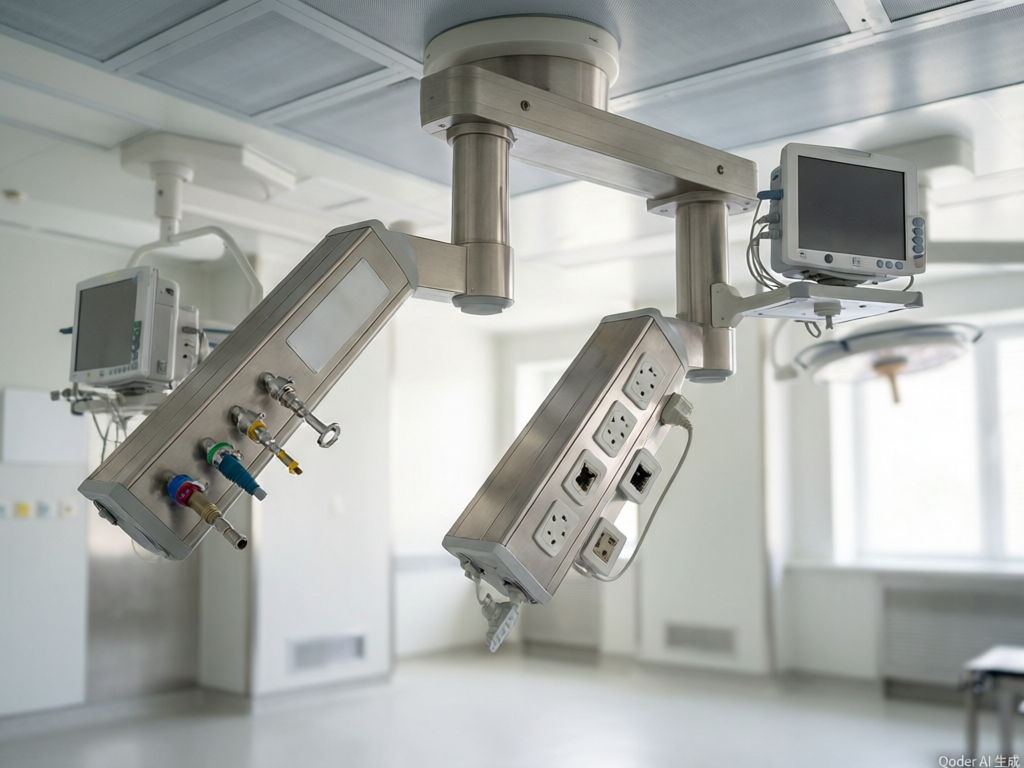
Cable stow is part of the home, not an afterthought hung on a separate accessory page. A dock that holds the handset but drops a loop into the mop path still fails the porter rule. First, the order line states minimum free length for reach use during a case. Second, it states the stow path when the control is parked after the case ends. Third, acceptance includes a photo of the parked cable clear of castors and door arcs. According to IEC 60601-1 clause 8.10, cabling must be arranged to avoid mechanical damage. Rooms that ignore stow see snag events several times per week in busy turnovers. In practice, a boom dock with a side basket keeps the loop off the floor without shortening reach travel. Link cable rules to the same map row as the dock so staff never treat the cable as optional kit. Factory photos should show the seated control and the stowed cable in the same frame before the seal.
What Does Delivery-Day Acceptance Check?
Delivery-day acceptance is a tick list against the map, not a verbal tour of the room. First, every control SKU on the packing list has a dock code written beside it. Second, every dock on the room drawing has a seated control or a marked empty spare. Third, no control rests on the floor, a stool, or an unmarked shelf after unloading. According to ISO 13485:2016 clause 8.2.6, monitoring of product includes defined acceptance activities. In 2026 projects, teams that finish this list before training starts cut missing-control tickets by about 50 percent versus teams that train first. Keep the check beside OR table control redundancy order lines y la two-minute morning user check card so daily use inherits the same homes. External readers can confirm the quality-system framing in ISO 13485:2016 on the ISO store page. Record the checker name and time so later disputes have a person attached to the tick.
Which Photos Must Travel With the Acceptance Tick List?
Acceptance photos are the portable proof that homes existed before staff training starts. First, shoot each control seated in its dock with the label readable in the frame. Second, shoot the cable in the stow path, not coiled under foam. Third, index photos by SKU and dock code in the annex PDF. According to ISO 13485:2016 clause 8.2.6, records support acceptance after shipment. In 2026 lots, indexed photo packs cut dock disputes by about 40 percent versus packing lists alone. Keep lighting even so night-shift receiving can still read codes on a phone screen. Refuse to seal a crate when a control appears only as a loose item in foam without a dock in frame. Tie the photo index to showroom demo rig files for lights and pendants when dealers must prove the same homes before a hospital visit.
What Should Buyers Refuse at Unloading?
Refusal rules protect the map when crates arrive incomplete or unlabeled. Buyers should refuse a shipment that lists controls without dock codes, docks without matching labels, or photos that show handsets loose in foam. First, stop unloading into clinical stores until the map and labels match line by line. Second, open one sample crate and photograph seated controls before releasing the rest of the shipment. Third, hold staff training until homes are verified on the actual machines in the room. According to FDA recognition summaries for medical electrical equipment consensus standards, documented acceptance belongs in a working quality system when factories claim controlled production. IEC TC 62 materials on medical electrical equipment reinforce that operator interfaces sit inside the risk file, not outside it. In practice, a partial map is worse than no map because staff trust labels that do not exist on the dock. Hold clinical release until every control has a named home on the wall, rail, column or cart.
How Should the Purchase Annex Freeze the Refusal Rule?
The purchase annex is where the refusal rule becomes binding for both factory and hospital. First, list every control SKU that must ship with a dock code and dual labels. Second, require seated-control photos in the packing file before the seal. Third, state that incomplete maps stop unloading into clinical stores. According to ISO 13485:2016, purchasing information must describe acceptance criteria clearly. In 2026 tenders, about 35 percent of delayed OR openings traced to missing annex language rather than missing hardware. For example, write that clinical release waits until every control has a named home on wall, rail, column or cart. Share the annex text with dealers so showroom promises cannot invent docks the export kit omits. A signed annex cuts weekend arguments about whether a floor stand was ever part of the paid kit. Keep one signed copy in the room file and one with the dealer so both sides clearly quote the same refusal rule.
También te puede interesar...

Pinch Marks Cleaners Need in Poor Light
A pinch-point marking pack is the factory set of durable labels, location drawings and cleaning-route...

Marketing Translations That Stay Inside the Product File
Marketing translation approvals are a factory-controlled path that keeps translated headlines and claims inside the...

The Two-Minute Morning User Check Every Unit Should Share
A manufacturer-supplied morning user check is a two-minute card that lists the same visual, function,...