
الملخص التنفيذي
Five sections every medical equipment PO needs: annexed specs, Incoterms with milestones, delivery with commissioning, warranty remedy and acceptance retention.
A medical equipment purchase order is where a good tender turns into a good delivery, or fails to. Hospitals that treat the PO as a price document discover later that nobody agreed on commissioning, spares or remedy. This checklist covers the terms that belong on every medical equipment PO, in plain order, so the contract protects both the ward and the budget.
Specification and documents: attach, do not describe
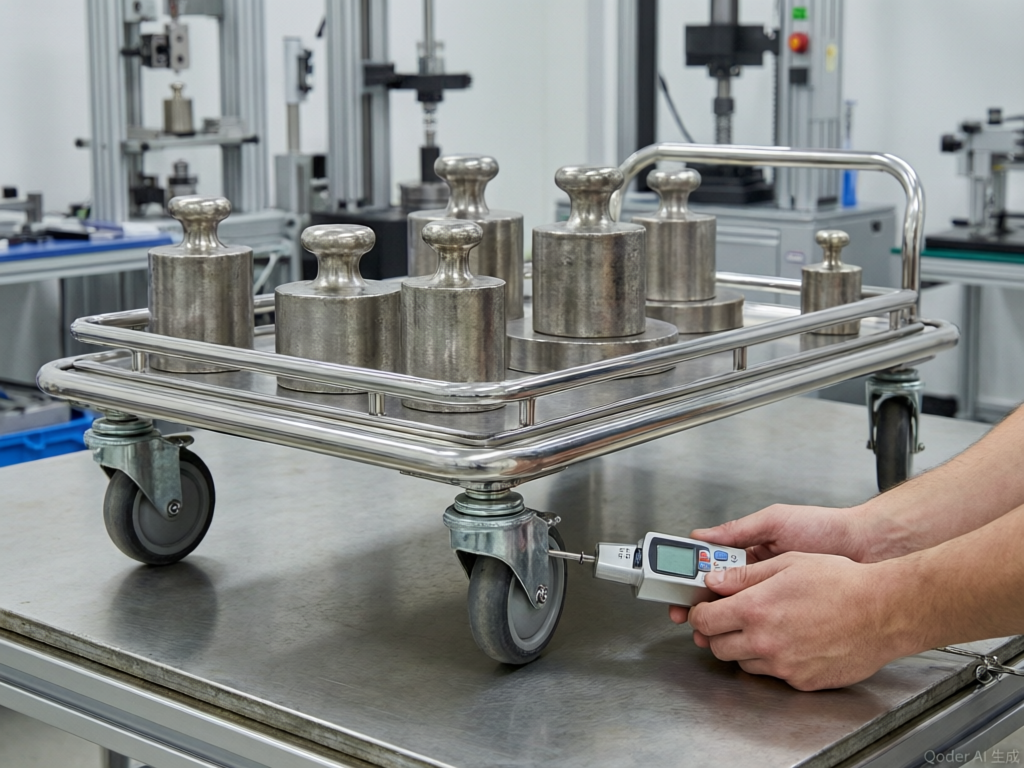
The first section of the checklist binds the PO to paperwork the factory can act on. Attach the technical specification sheet, the certificate list, and the approved sample or drawing reference, and make them annexes rather than descriptions, because annexes are enforceable and adjectives are not. Name the standards the goods must meet and require the certificates with the shipment, a habit that tender buyers already know from our guide to tender certificates in Africa. Import-dependent orders should also reference any import licence conditions the goods must satisfy, which our note on medical device import licences explains from the basics. The contract frameworks that structure these cross-border obligations come from the International Chamber of Commerce, whose trade terms decide who arranges what from factory to ward.
Price, trade terms and payment milestones
State the Incoterm and named place, not just a price: FOB and DDP are different products at the same number. Split payment into milestones tied to events rather than dates, deposit against order confirmation, balance against shipping documents or after inspection, and keep every payment inside documented banking channels. Add a validity line so price and terms cannot drift while internal approvals run. Hospitals buying through agents should name the importer of record and confirm who holds the warranty relationship, because the party that pays is not always the party that claims.
Delivery, installation and commissioning
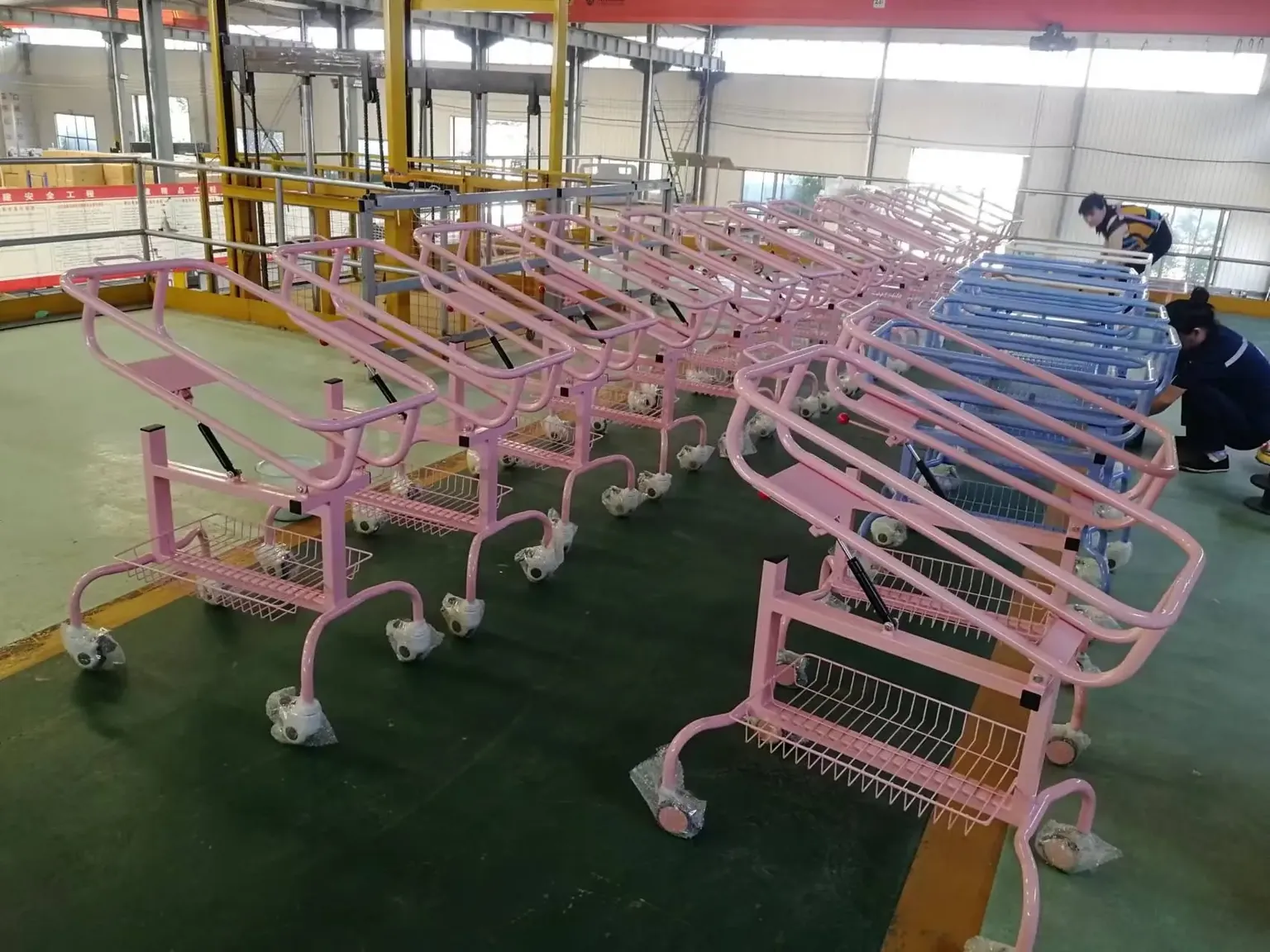
Medical equipment arrives as a project, not a parcel. The PO should state the delivery window with a definition of delivery, ex-factory or to ward, the installation responsibility, and the commissioning scope: who tests, against what criteria, and who signs. Training belongs here too, with a stated number of staff sessions and language, because equipment without trained users generates the service calls that warranty should have absorbed. Spares and consumables belong in the first order alongside the machines, at agreed prices, so the second year does not start with a renegotiation.
Warranty, remedy and acceptance
The final section is what happens when something goes wrong. State the warranty period per component, the response time by severity, and whether the remedy is repair, replace or refund, with the sequence defined. Define acceptance in writing: the tests, the window to reject, and what happens to payment during a rejection. And keep a retention clause, a small withheld percentage released after successful commissioning, which is the single most effective incentive in equipment contracting. Teams building their first POs can adapt this checklist directly, and our team issues PO-ready term sheets through the contact and quotation desk so hospitals start from enforceable language rather than a blank page.
Video: from order to ward
A complete medical equipment PO carries five sections: annexed specifications, priced trade terms, delivery with commissioning, warranty with remedy, and acceptance with retention. Tick the checklist before signing and the contract does its job quietly, which is exactly what a contract is for.
قد يعجبك أيضًا...

Pricing Your Imported Equipment as a Distributor
A distributor’s price is not the factory price plus a flat markup. It is the...

Container Loading Plans: Volume and Cargo Protection
Container loading plans for medical equipment are the packing and stowage layout that decides how...

Budgeting for Installation and Training Costs
The invoice price of medical equipment is the smaller half of its cost. The larger...