
Quick answer: A hospital bed replacement cycle usually runs 8 to 12 years, and the trigger date is set by repair cost rather than by appearance. Once annual repair reaches 20 percent of a new bed price, a ward is cheaper to re-equip in one order than to keep repairing.
Why Ward Beds Fail Before They Look Worn
Bed frames outlast their mechanisms. Paint and welding survive a decade, while actuators, castors and side rail latches reach the end of their rated life at 6 to 8 years. A ward that replaces on appearance keeps paying for actuators, and a ward that replaces on mechanism wear discards frames that still had years left.
- Actuator: rated for about 20,000 cycles, then slow or noisy.
- Castor: brake pads flatten after 4 to 5 years of daily use.
- Side rail latch: springs weaken and the rail stops latching at first click.
- Handset cable: breaks at the strain relief after heavy use.
A Replacement Cycle Table By Bed Type
Service life depends on the mechanism set more than on the frame. The table below assumes a 24 hour ward duty cycle with 12 moves per day per bed.
| Bed type | Service life | Repair trigger | Typical order size | Replacement note |
|---|---|---|---|---|
| Manual two-crank bed | 10 to 12 years | crank gearbox failure | 30 units per ward | frames often reusable |
| Three-function electric bed | 8 to 10 years | annual repair at 20 percent of new price | 20 to 40 units | actuators decide the date |
| Five-function ICU bed | 7 to 9 years | CPR release or weighing fault | 10 to 16 units | higher duty cycle |
| Bariatric bed | 9 to 11 years | frame stress or castor load | 2 to 6 units | check floor loading |
| Paediatric cot bed | 10 to 14 years | rail latch wear | 8 to 20 units | low cycle count |
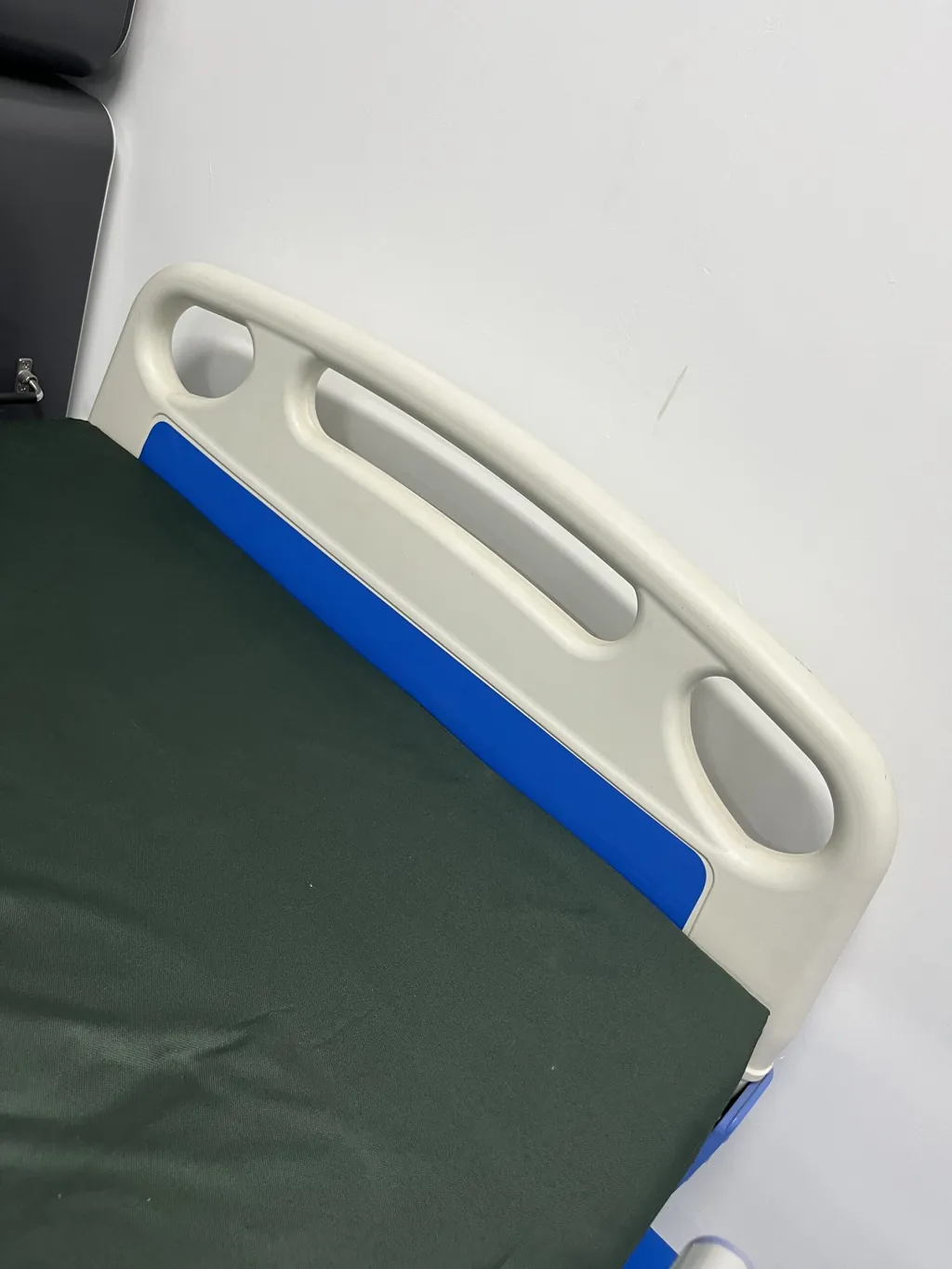
Spare Parts That Decide The Re-Order Date
Three parts predict the end of a bed’s economic life: actuators, castors and handsets. A hospital that stocks these parts extends life by 2 to 3 years, and one that cannot buy them ends the cycle earlier than the mechanism requires. Buyers should confirm spare part availability in writing for at least 8 years from the order date, with a price list reviewed annually.
Actuator replacement is the largest line in a maintenance budget. When a single actuator quote reaches 25 percent of a new bed price and the failure rate passes two per ward per year, the maths favours replacement rather than repair. Documenting both numbers per ward turns a budget discussion into a comparison of two clear figures.
Stock depth decides how fast a fault becomes a downtime event. Two actuators, six castors and four handsets per 30 bed ward cover a year of normal wear, and a store holding those parts returns a bed to service in 2 hours rather than 2 weeks. The same list works as a budget line at roughly 3 percent of the original bed price each year.
Budget Rhythm For A Multi-Year Rollout
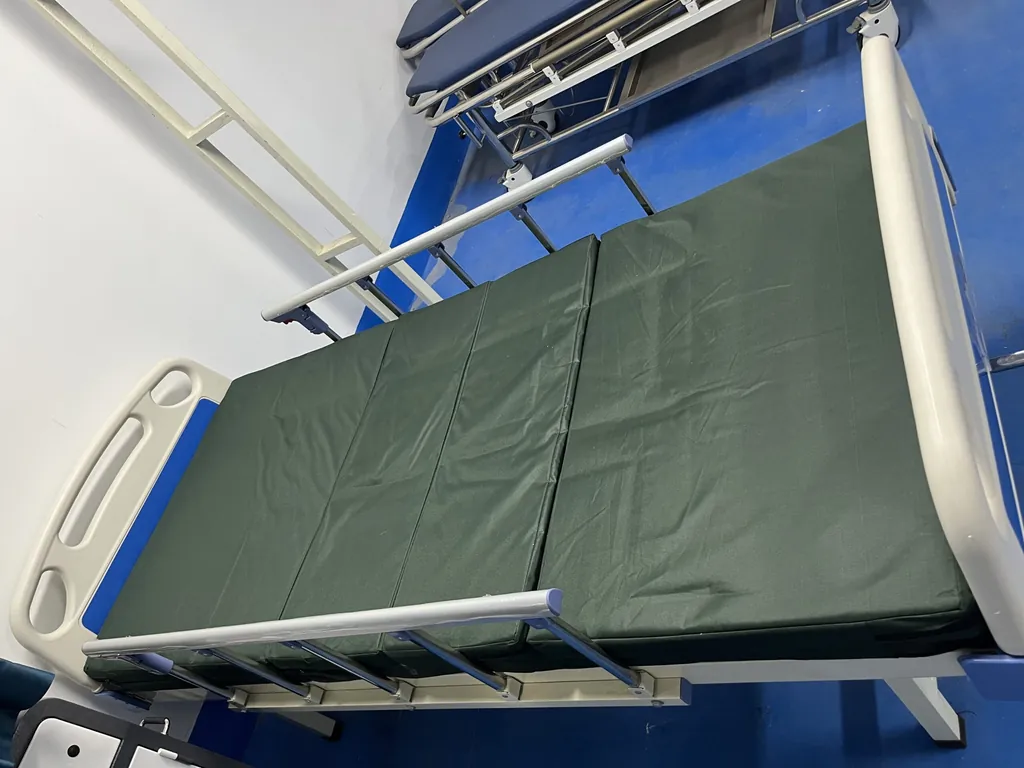
Replacing a whole hospital at once is rarely fundable, so the workable rhythm is one ward or one floor per budget year, ordered as a single batch. A 30 unit order holds one production batch, one inspection visit and one freight booking, and it keeps the ward uniform so spare parts stay common across every room.
Phasing also protects the lead time. A 30 unit order runs 30 to 45 days in production, while a 200 unit order can run 60 to 75 days and needs a larger deposit. Booking the production slot four months before the ward shut-down window keeps installation inside a weekend rather than stretching across two weeks of half-finished rooms.
Frequently Asked Questions
How long should a hospital bed last?
Eight to twelve years by mechanism set: manual beds sit at the top of the range, electric ward beds run 8 to 10 years and ICU beds 7 to 9 years.
When is repair more expensive than replacement?
When annual repair reaches about 20 percent of the new bed price, or one actuator quote reaches 25 percent and two units fail per ward each year.
How long should spare parts be available?
At least 8 years from the order date, with an annually reviewed price list. Without that commitment service life shortens by 2 to 3 years.
What order size suits a phased hospital rollout?
One ward or floor per budget year, usually 20 to 40 units. A single batch runs 30 to 45 days and keeps inspection and spare parts common.
Planners comparing frame and mechanism options can review the ward bed range on medical equipment products, and the fault history behind CPR release and weighing faults sits in hospital bed CPR release checks. Budget lines for installation, training and commissioning are covered under installation and training costs. Service life assumptions for health facility equipment follow the medical device management guidance published by the World Health Organization.
You May Also Like...

Pricing Your Imported Equipment as a Distributor
A distributor’s price is not the factory price plus a flat markup. It is the...

Container Loading Plans: Volume and Cargo Protection
Container loading plans for medical equipment are the packing and stowage layout that decides how...

Budgeting for Installation and Training Costs
The invoice price of medical equipment is the smaller half of its cost. The larger...