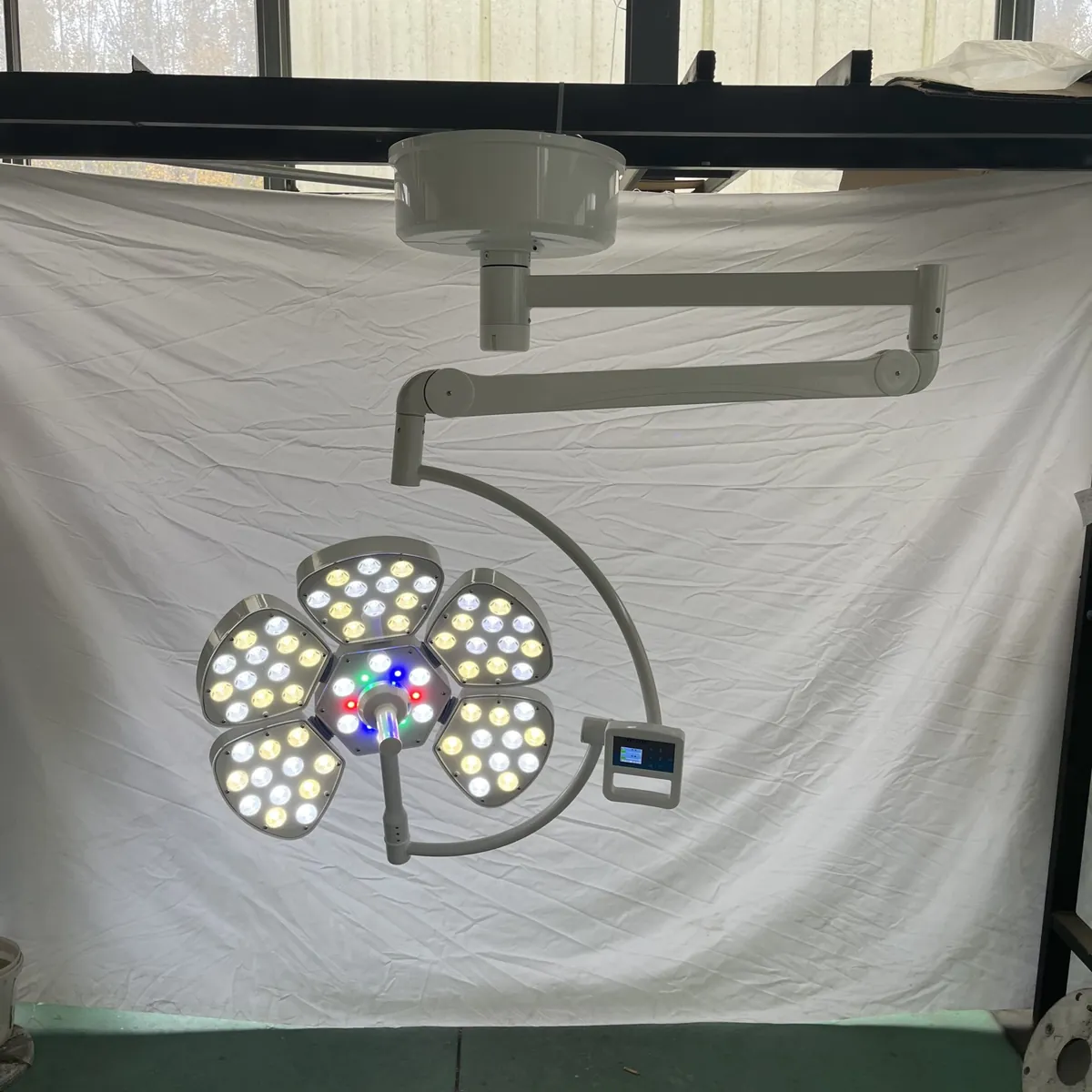

A handle that wipes clean is a handle that stays in the sterile field between cases, and sterile processing is right to refuse it. What settles the question is not a better wipe, it is the maker’s own processing instruction for the handle, and before the rest ship you should hold three documents against it: the reprocessing instruction naming the permitted method, sterilisation or high-level disinfection, the cycle and the temperature, and the number of cycles the handle is validated for; the handle’s attachment design, how it detaches, what seals it, and whether the interface survives the cycle; and one handle from the production batch run through your actual cycle, then inspected and photographed. If the handle cannot carry the instruction, the lights need different handles, and that is an order question, not a housekeeping debate.
Why the Policy and the Handle Disagree
Two philosophies of light handles exist in the market, and both are legitimate on their own terms. The wipe-down handle assumes the handle is disinfected between cases with a validated wipe, never removed, and relies on the theatre’s discipline. The removable handle assumes the handle is taken off after every case and processed like any other reusable instrument, through washer-disinfector or steriliser, because a processed handle leaves the room and returns sterile. Your infection-control policy has chosen the second philosophy, and a light shipped with the first kind of handle fails the policy regardless of how well it wipes, because the policy does not measure wiping; it measures whether the item that touched the field can leave and come back clean. The vocabulary of the two regimes, and what each actually achieves, sits under sterilisation, and the gap between disinfecting a surface and sterilising a device is the whole disagreement.
It helps to name what the surgeons are actually holding. The handle is the one component of the light that hands touch with gloves that have been in the field, and the one component the ceiling cannot carry away for processing. Everything else on the light is disinfected in place by design; the handle is the part the policy treats as an instrument. That framing usually ends the debate in the room, because nobody is arguing that instruments should stay in the theatre and be wiped.
The factory is not wrong to ship wipe-down handles; it is wrong to ship them without saying so. Many surgical lights support both, a removable handle as an option or a retrofit, and the shipment that carries the wrong one usually carries it because the order never named the processing method. That sentence belongs in every light order from now on: handles shall be the detachable type, processed per the manufacturer’s reprocessing instruction, in the quantity the theatre’s turn-around requires.
The Reprocessing Instruction, Read Against Your Cycle
The document that decides the argument is the manufacturer’s reprocessing instruction for the handle specifically, not for the light. Read it for four facts: the permitted methods, sterilisation cycles it is validated for and whether high-level disinfection is the ceiling; the cycle parameters, temperature, time, and any drying limits; the validated number of cycles, because a handle validated for dozens of autoclave runs is a different purchasing object from one validated for a handful; and the inspection criteria after processing, what cracks, discolouration or loosening means retire. SPD reads instructions like this for a living, and when the maker’s sheet names a cycle your department runs, the sign-off becomes a formality. When it does not, the sheet has just told you which handle to order instead.
Ask for the instruction before the balance ships, and for the attachment interface to be demonstrated on video: handle removed, processed-equivalent state, refitted, and the retention checked. A handle that detaches but seats loosely after a few cycles fails the same policy by a different route, because a wobbling handle in a sterile field is its own conversation with the surgeons. The interface between the handle and the head is a small piece of engineering with a large policy footprint, and it deserves the same treatment as any other validated joint in the theatre.
The Cycle Test on Your Own Machines
Paper validates the design; your washer validates the delivery. Run two production handles through your actual cycle, your washer-disinfector settings or your steriliser’s documented cycle, then inspect and photograph: sealing integrity, surface condition, the attachment fit refitted to the light, and a function check of anything the handle carries. If your policy runs a cycle the maker has not validated, that discovery belongs in the order conversation now, with three possible outcomes: the factory validates the handle for your cycle, the theatre adjusts its cycle within policy for this device class, or the handle model changes. All three are cheap this month and expensive after installation.
Buy the handles as consumables while you are at it, because a processed handle is an item with a cycle count, not a fixture. Ask the factory for the handle as a spare part with a part number and a price, and order the float stock your SPD asks for, based on the light count, the case volume and the validated cycles per handle. A theatre that runs three lights and forty cases a week consumes handles on a schedule, and the schedule is a purchasing line, not a surprise.
The surface question sits right next to the handle question, and it is worth closing in the same conversation: the maker’s wipe list for the head, the arms and the ceilings-mounted surfaces, is a separate document from the handle’s reprocessing instruction, and the two together are what SPD and housekeeping both sign. The wipe-list discipline, what chemistry the finishes actually tolerate, was the subject of an earlier shipment’s dull patches and crazed covers, worked through in freezing the wipe list before the rest ships, and the handle instruction should be stapled to it in the handover file, because the two documents answer the same question for two different teams.
Who Signs What, and When
The sign-off sequence matters as much as the documents, and it is worth writing the order of events into the purchase: the reprocessing instruction arrives with the shipment documents; SPD reviews it against policy before installation, not after; the cycle test on your machines runs before the units are accepted; and the acceptance record the hospital signs names the handle model, the validated method and the cycle count. This is the same acceptance discipline that protects the rest of the equipment order, described in the unit record the hospital signs before payment, and the handle deserves its own line on that record because it is the one component SPD, not biomedical, has to accept.
Where SPD’s refusal arrives late, after delivery but before use, the timing works in your favour anyway: no installation until the handle question is answered, because a light fitted with the wrong handle is a light that has to come back down. The temptation is to install and negotiate, and it should be resisted, because installation converts a parts conversation into a service visit, and the visit is on nobody’s contract.
The Balance of the Shipment
For the units not yet shipped, the fix is mechanical: change the handle line to the detachable type, in the quantity the case load implies, with the reprocessing instruction and the spare part number in the crate. If the factory’s detachable handle is validated for fewer cycles than your throughput implies, order the difference as spares and put the cycle-count question in the next contract. If the factory has no detachable handle for that head at all, then the honest conversation is about the next model, because a light whose handles cannot leave the room is a light purchased against your own policy.
For the handles already in the crates, the disposition is the same three-way as any policy failure: return and swap before installation, purchase the correct handles as a parts order with the wipe-down ones as backup, or the hospital grants a written exception, which infection control will only do with a documented reason, and which you should expect them not to. Photograph the shipped handles and their fittings either way; the file that ends this argument is one page of pictures and one page of policy.
Lines for the Next Order
Four lines carry the whole fix. Handles detachable and reprocessible per the manufacturer’s instruction, with the instruction delivered in the crate and the permitted cycles stated. The quantity sized to case volume and turnaround, as a line item rather than an assumption. One handle per batch run through the hospital’s own documented cycle, inspected and photographed, before the crate is accepted. And the handle carried in the spares list with a part number, because a consumable without a part number is a negotiation waiting to happen. With those four lines, sterile processing signs the lights off on the same day the crates open, and the theatre’s first case starts with a handle that came back from the department upstairs, sterile and documented.
También te puede interesar...

A Posted Lowering Card and Its Drill Record
Emergency manual lowering means returning an operating table to a flat top when mains power...

Bed Exit Alarms: The Function Sheet to Demand
When your falls committee asks whether the new ward beds can alarm when a patient...
Rehearsed, Not Discovered: The Emergency Conversion File
An emergency section starts with a call, and the table has to move from a...