


Blood establishments face a seating problem that ordinary furniture cannot solve: donors sit for 15 to 30 minutes after needle insertion, sometimes faint, always monitored, and the chair must convert fast for the emergency that arrives once a season. Blood donation chairs and dialysis-style seating are medical devices for exactly that reason, and this guide covers the specification that keeps donors safe and clinics compliant.
The Positioning Problem: Comfort That Can Become Supine
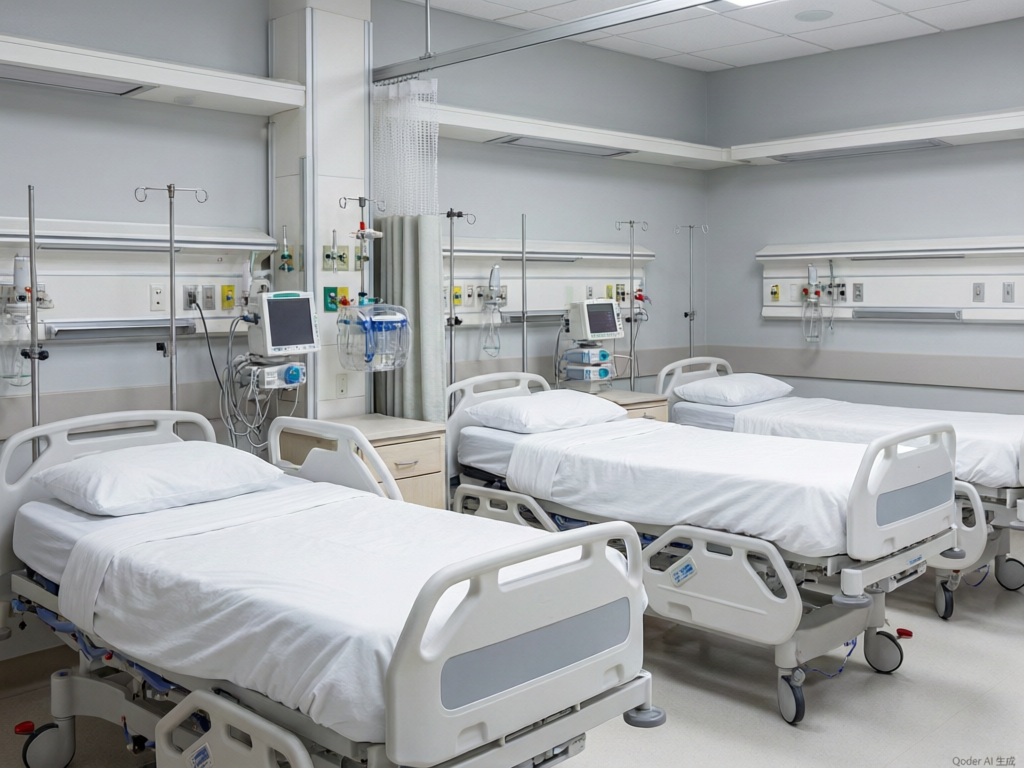
The defining spec of a donation chair is the collapse path. A donor who vasovagals must go feet-up fast, so the chair moves from upright donation position to near-supine in one motion, without transferring the donor between seats. Electrically actuated backs and leg sections with manual-override capability handle both the routine recline and the power-off emergency, a dual requirement familiar from our hospital bed line, where battery backup and emergency lowering are standard. Armrests rotate or flip on the cannulation side to give phlebotomy teams clean access at the correct height, and headrests support the fainting donor’s airway, not just their comfort.
Cleaning, Turnover and the Blood Environment
Donation sessions run back-to-back, so the chair faces disinfectant wipe-downs between every donor and occasional blood contact that protocols treat seriously. Upholstery spec: continuous or minimal-seam surfaces in medical-grade upholstery that survives approved disinfectants, with the seam and stitching choices made for cleanability rather than appearance. Structure spec: load ratings above the donor population’s needs, static and dynamic, with frames that tolerate the transfer moves tired donors make. Blood establishments operate under their national blood safety frameworks, and the World Health Organization’s blood safety program documents the clinical environment these chairs serve, from donation to component processing.
Dialysis-Adjacent Requirements
Programs that pair donation with apheresis or dialysis-adjacent care push the same chair harder: longer sessions, positions held for hours, and patients with vascular access considerations. The spec additions are cycle-rated actuators across the full position range, pressure-distribution cushioning for long sits, and quiet operation, because a ward of whining actuators is its own problem. The procurement logic matches our patient trolley selection framework: duty cycle, patient population and turnover rate drive the tier, and the tier drives the price honestly.
Sourcing Chairs That Pass Inspection
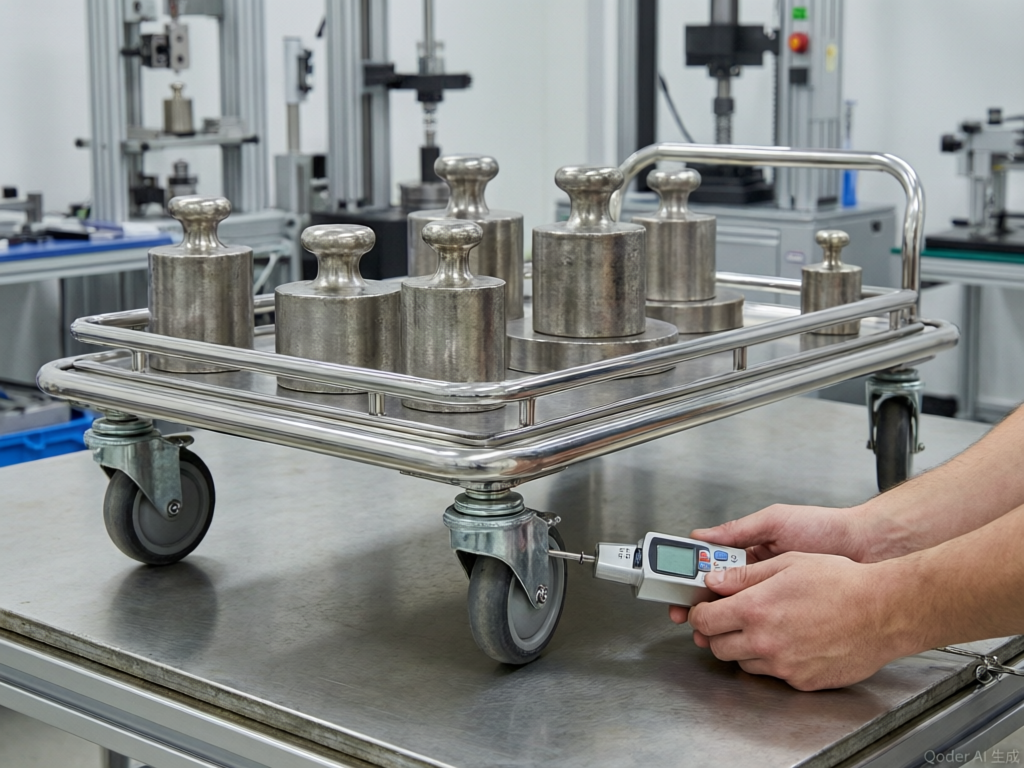
The inspection checklist for donation seating reads like this: collapse-path timing from upright to supine with a weighted mannequin, actuator cycle tests, upholstery seam and disinfectant-resistance verification against samples, load tests at rated weight, and emergency-lowering function with power removed. Sanyang Medical manufactures donation and recovery seating through the same ISO 13485 system as its surgical lines, with the inspection reports traveling with the shipment. The bed-family engineering behind the chair is documented on the hospital beds program page. Blood banks planning a refurbishment or a new donation site can send the room count and session volume to sanyang10086@gmail.com or WhatsApp +86 195 0862 5836, and the chair specification with load and cycle documentation comes back with the quote.
قراءات ذات صلة: Infant Bassinets and Baby Trolleys: Specifying for Maternity Units
قراءات ذات صلة: Medical Equipment Tenders: Writing Specifications That Do Not Exclude Suppliers
قد يعجبك أيضًا...

Infant Bassinets and Baby Trolleys: Specifying for Maternity Units
A maternity unit buys infant bassinets in small numbers and uses them continuously. The cot...

Gas Outlet Colour Coding and Pin Index: What Medical Equipment Importers Must Check
Medical gas systems are built on a simple principle: it must be impossible to connect...

Veterinary Grooming Tables: What Pet-Care Chains Should Spec
Pet grooming chains are scaling faster than their equipment sourcing, and the grooming table at...

رأي واحد حول “Blood Donation Chairs: Specifying Seating for Donor Safety and Compliance”